

First Grade Science | Unit 7 | Sun, Moon, & Stars
Turn “I think” into “Here’s my evidence.” Give your first graders a full month of sky science—and give yourself a clear plan for teaching it.
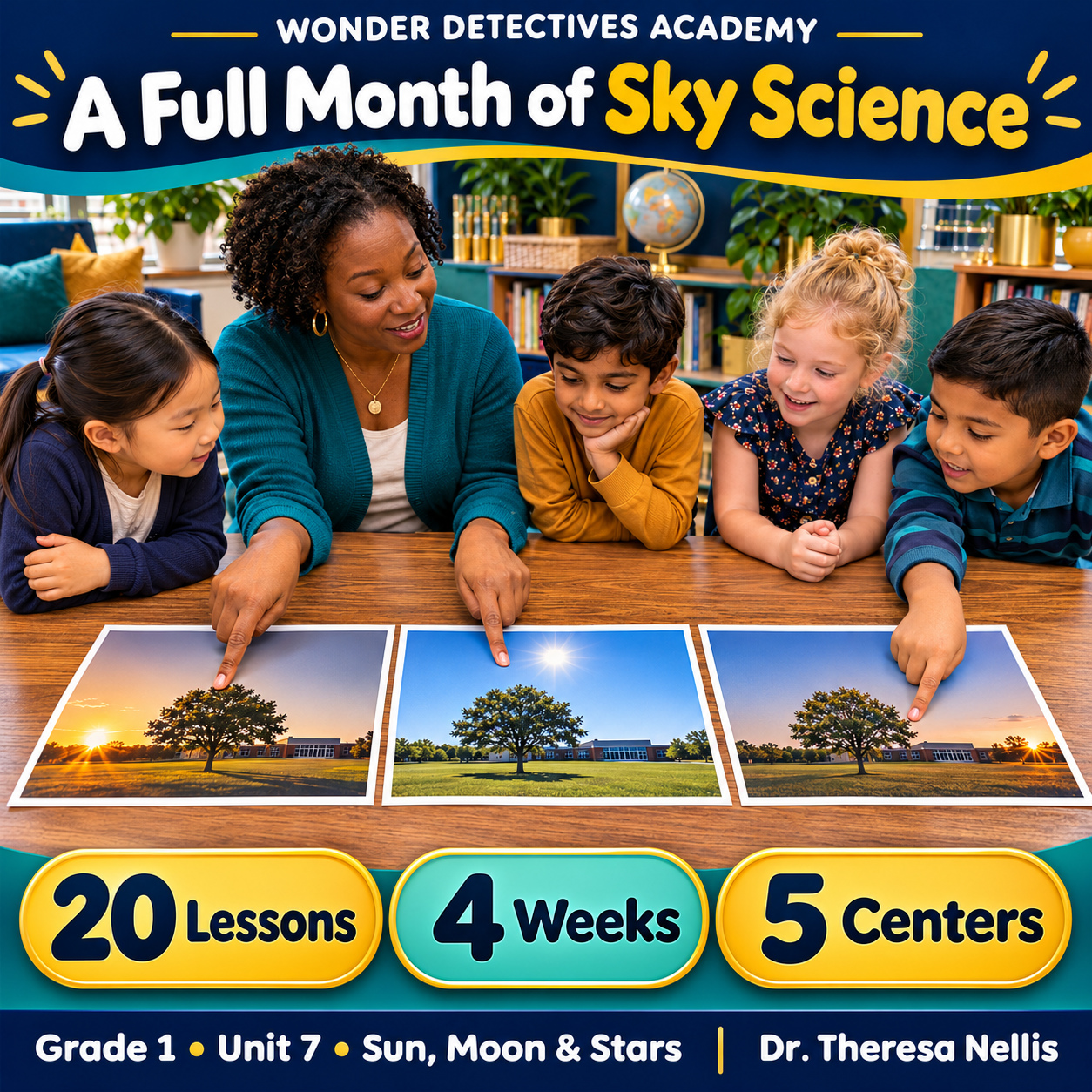
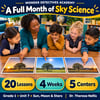
Wonder Detectives Academy: Sun, Moon & Stars includes 20 daily lessons, five reusable centers, illustrated science stories, and an engineering challenge in one connected four-week unit.
Students compare Sun records, discover that the Moon can be visible during daylight, investigate when other stars are easier to see, and support predictions with evidence. Detective Fox and Professor Owl bring curiosity and humor to the learning.
Four Weeks of Connected Science
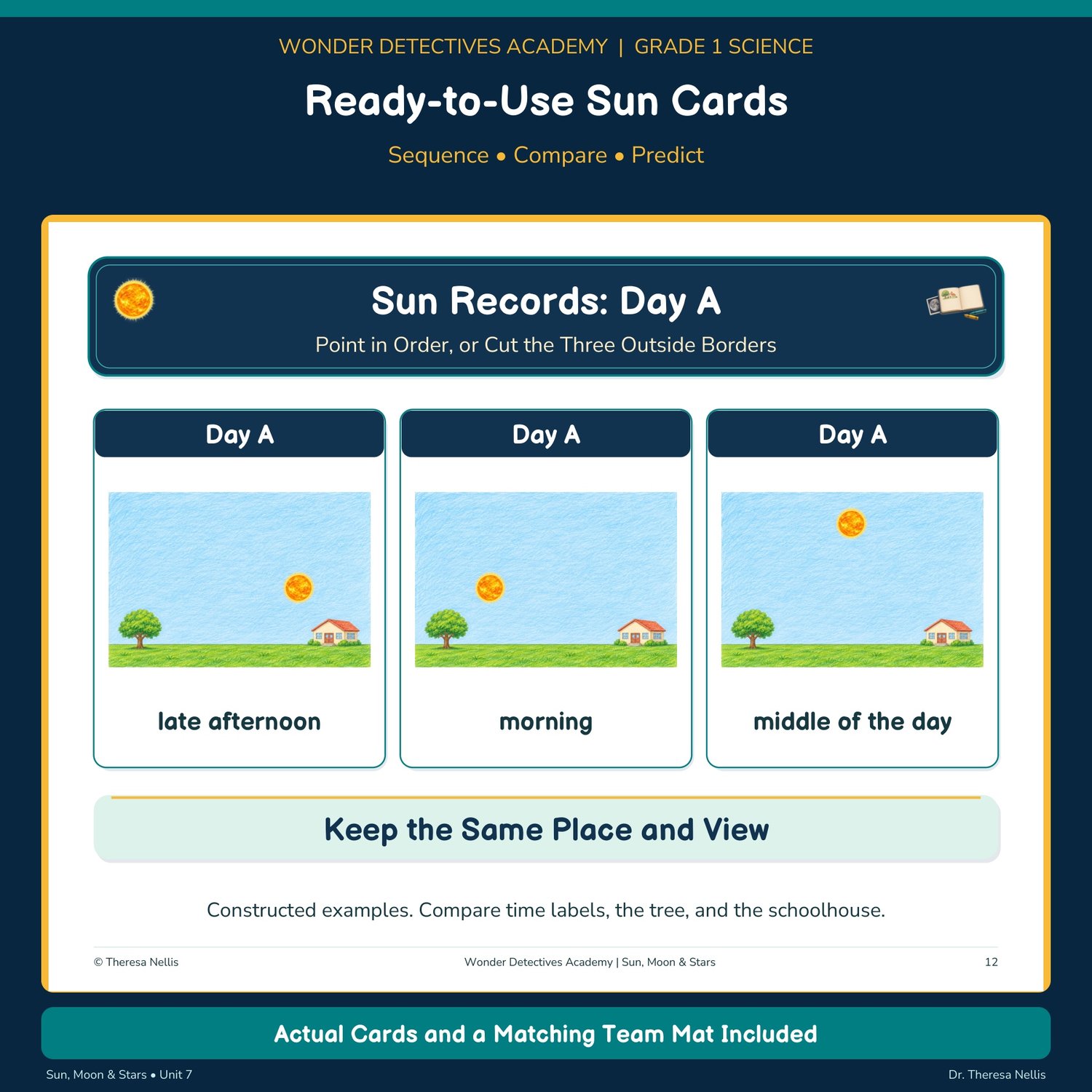
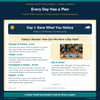
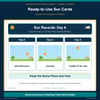
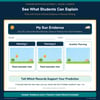
- Week 1: Sun Records—sequence views, compare fixed landmarks, identify repeated patterns, and check predictions.
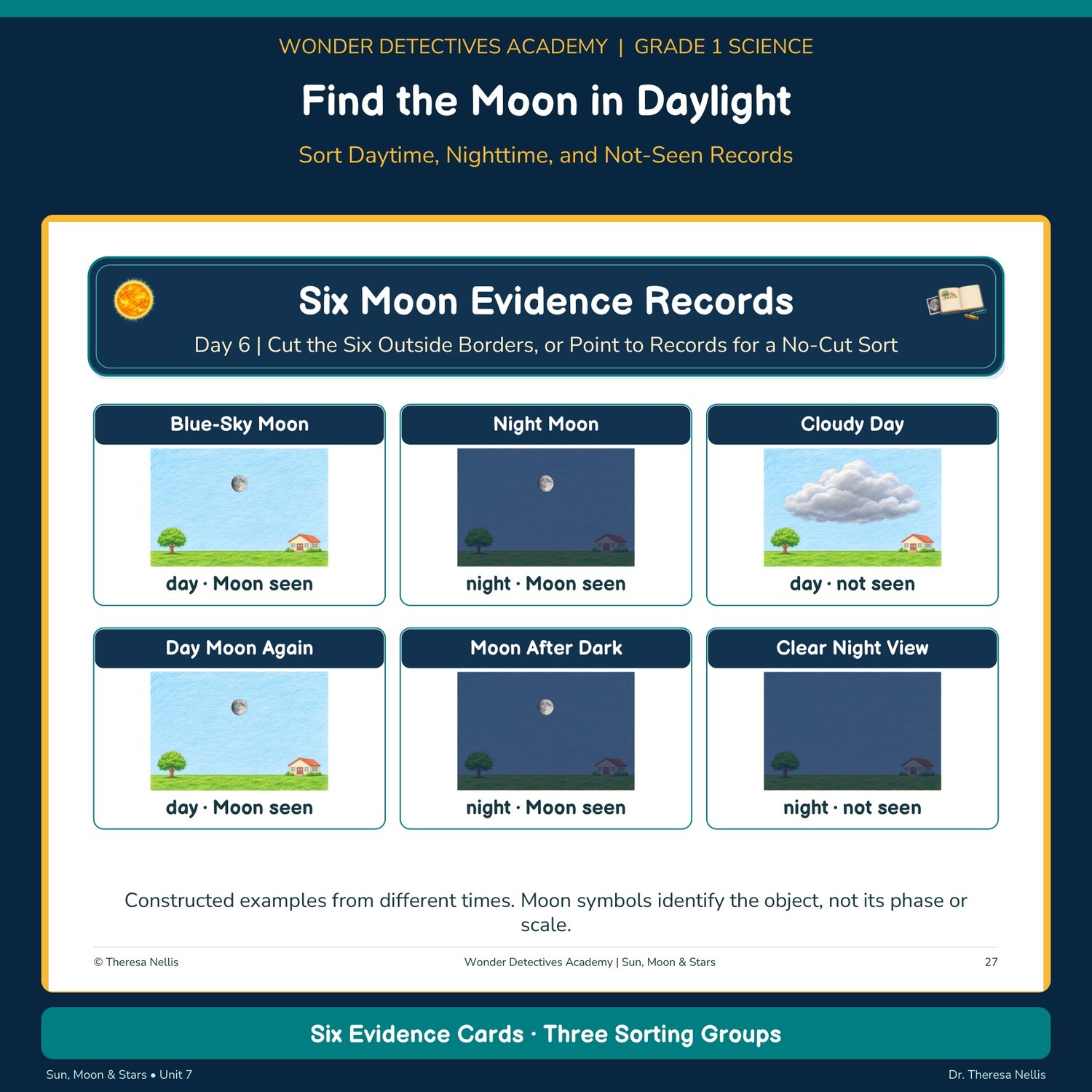
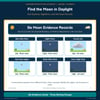
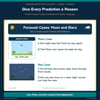
- Week 2: Moon Evidence—sort daytime and nighttime records, compare apparent positions, and distinguish “not seen” from “gone.”
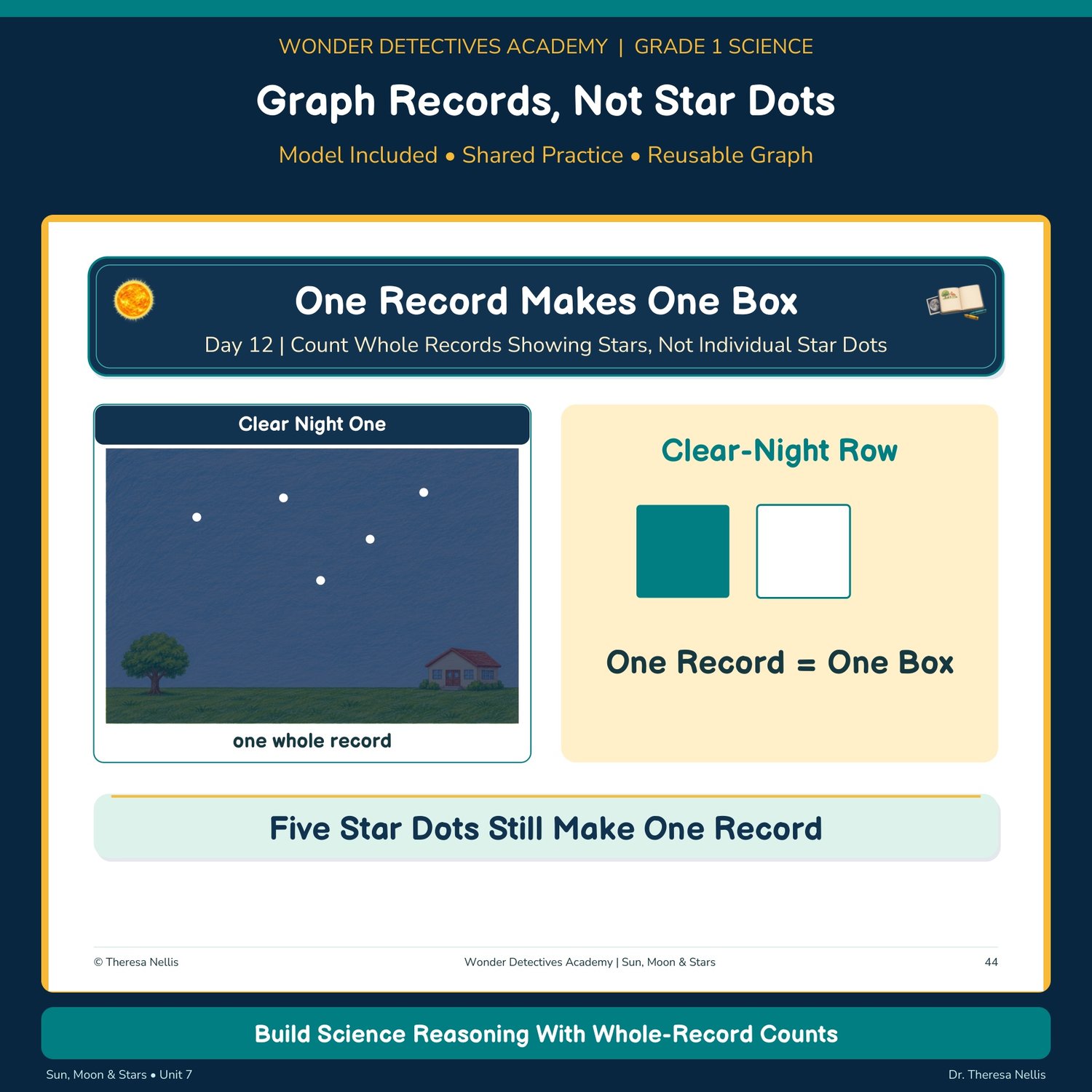
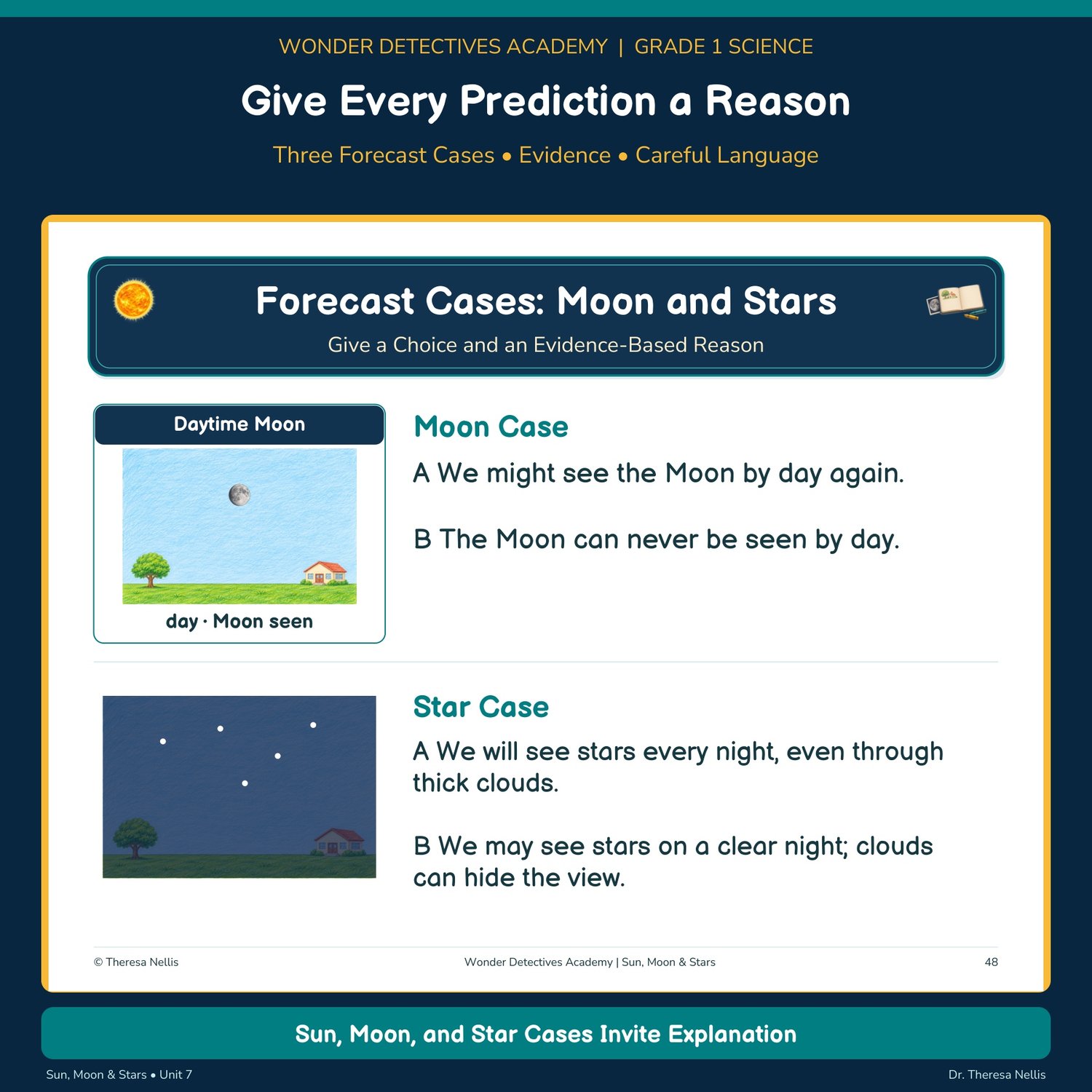
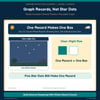
- Week 3: Sky Forecasts—graph whole records, investigate prediction cases, and revise claims using evidence.
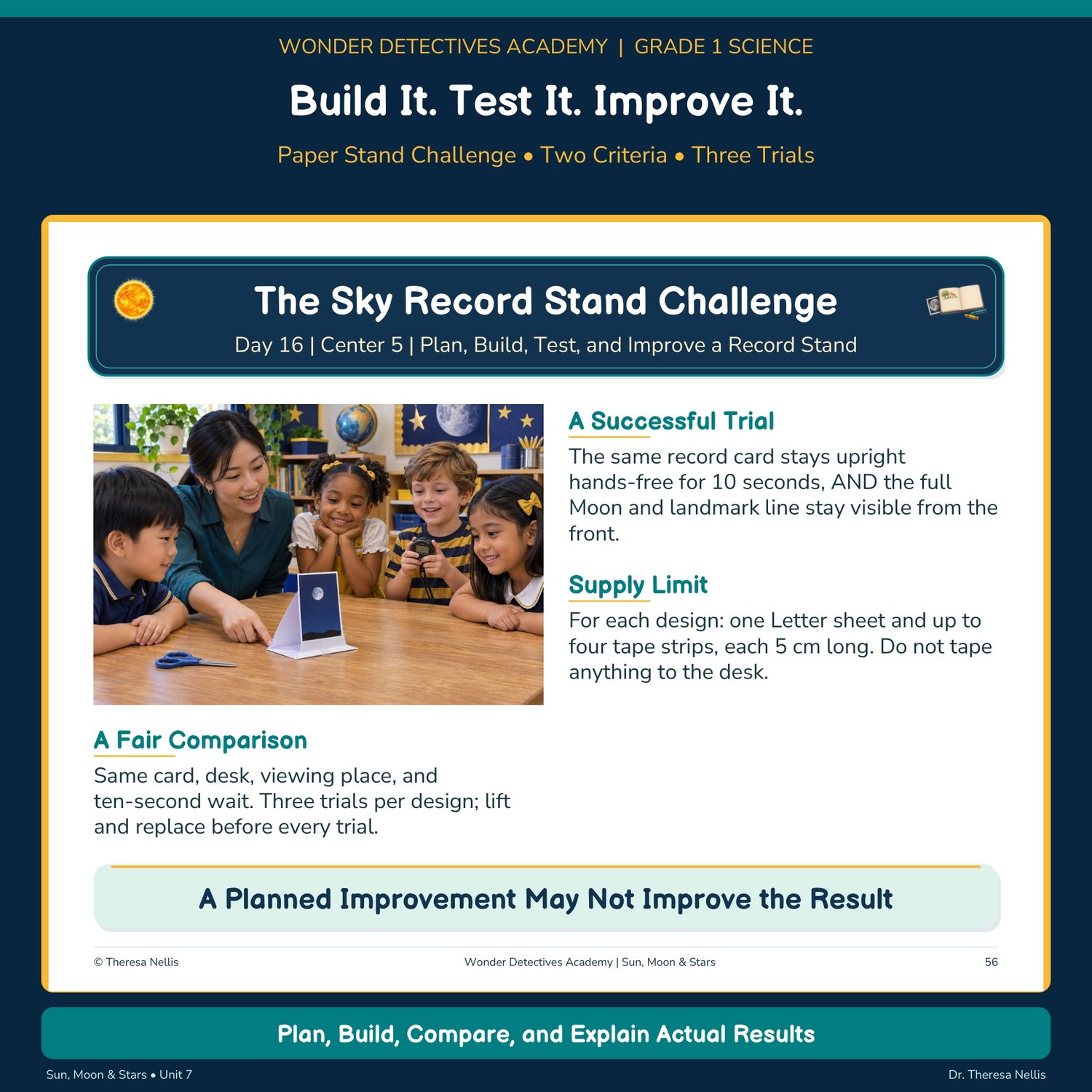
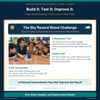
- Week 4: Build & Explain—plan a paper record stand, test it, change one feature, compare results, and explain the learning.
What Teachers Receive
- A 71-page complete unit with approximately 25-minute daily lessons.
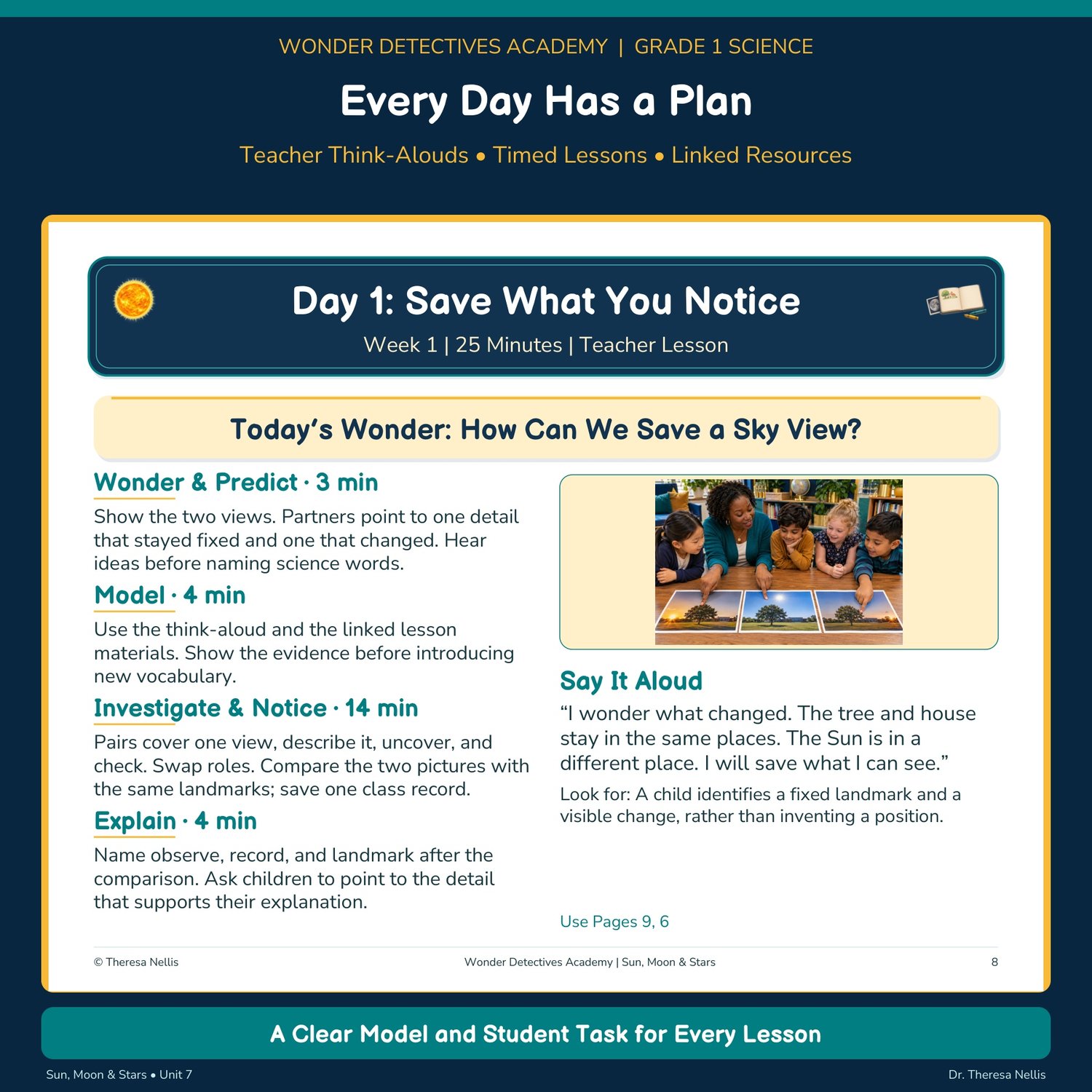
- Teacher think-alouds, timed teaching sequences, clickable resource links, and guidance on what to notice.
- Five supplied centers: Sun Sequence, Moon Evidence, Star Record Graph, Forecast Detectives, and Sky Record Stand.
- Printable cards, matching mats, forecast cases, planning tools, and trial records.
- Four illustrated Fox and Owl stories.
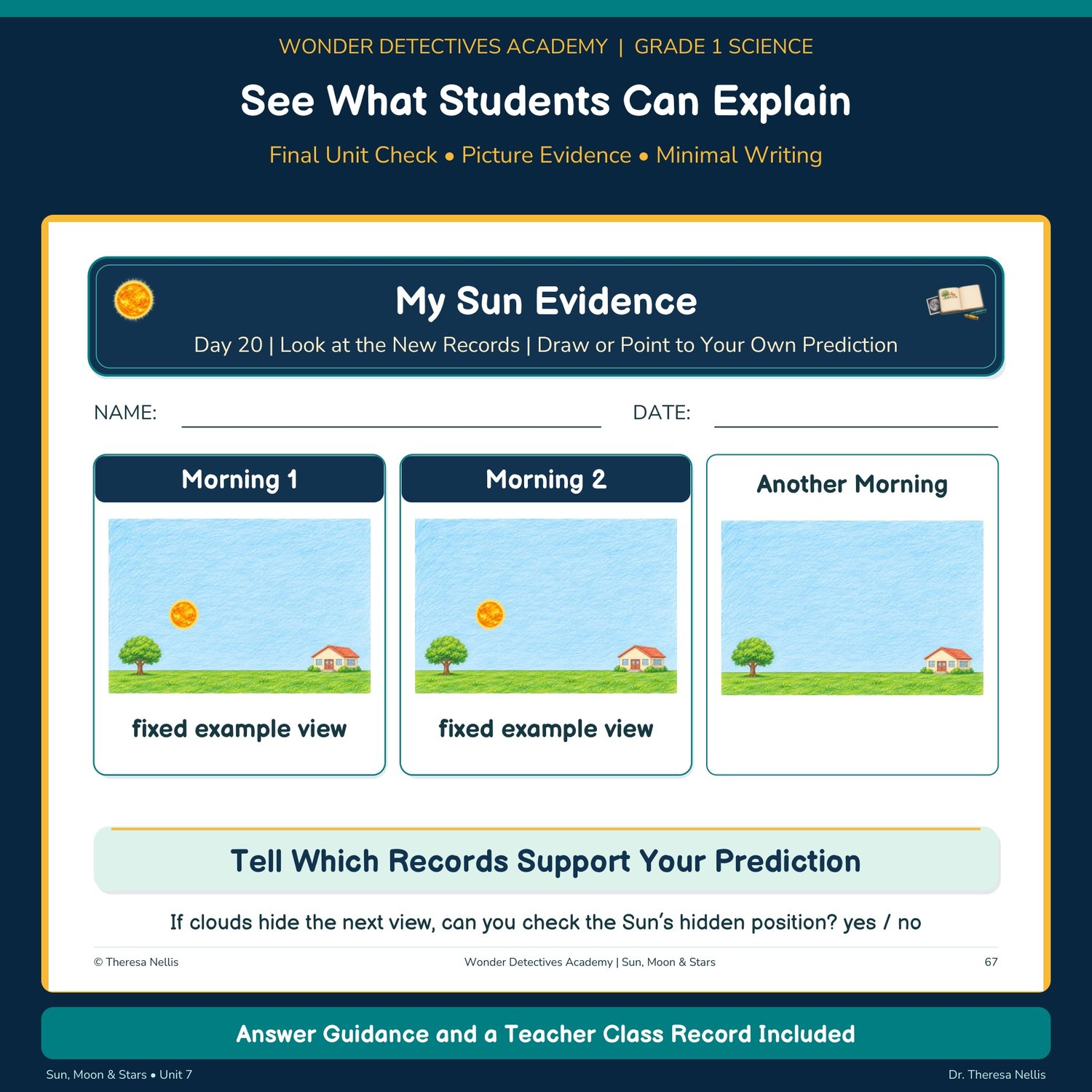
- A visual final check, answer guidance, and an optional class learning record.
- A separate 20-page classroom resource packet containing selected printables from the complete unit.
Students point, sort, draw, build, and explain. Shared materials keep science active without a daily worksheet stack. Project the visuals and print the group resources you need.
Sky investigations address NGSS 1-ESS1-1, with a K–2 engineering application supporting K-2-ETS1-3. Linked NASA media require teacher internet access. No home nighttime observation is required.
Twenty lessons. Four connected weeks. More noticing, stronger explanations, and a month of science ready to teach.