
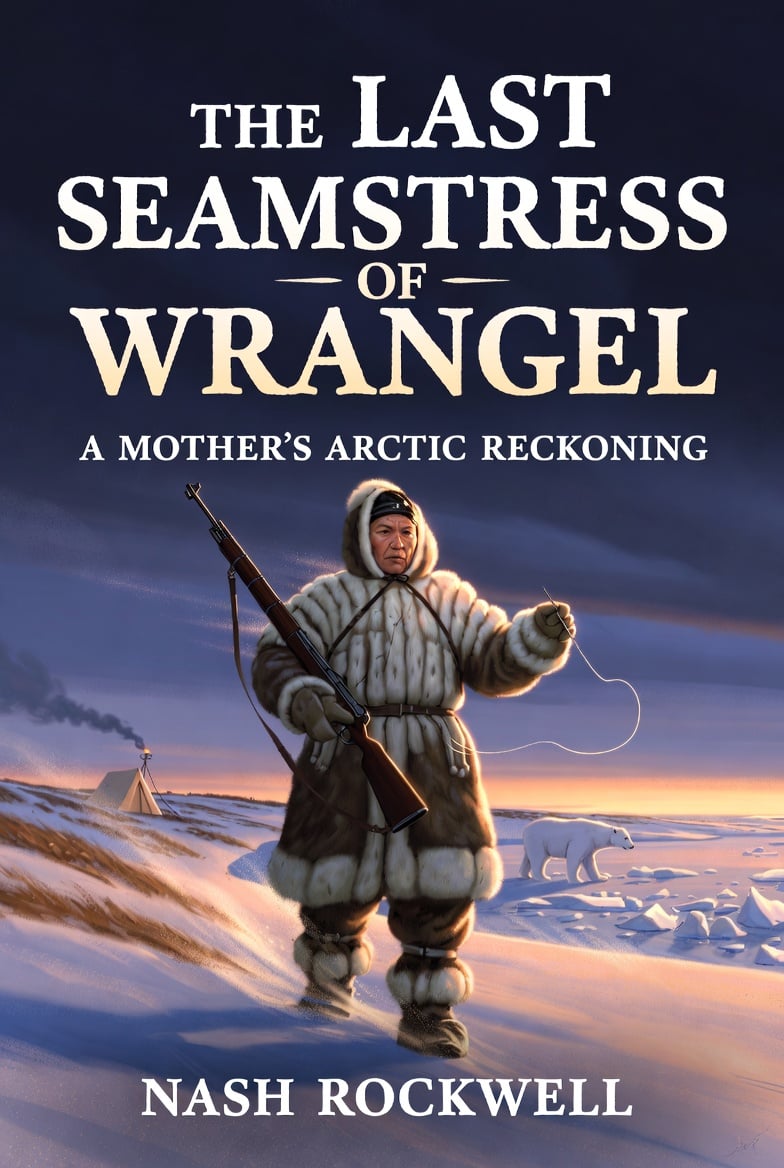
The Last Seamstress of Wrangle
She wasn’t looking for glory. She just needed to feed her son.
In 1921, Ada Blackjack—a tiny Iñupiaq seamstress from Nome, Alaska—signed on to an Arctic expedition for $50 a month. Her only surviving child lay sick with tuberculosis in an orphanage. The men promised six months. Stefansson sold them the “Friendly Arctic.” What they got was two years of hell on a frozen rock crawling with polar bears.
One by one, the four young explorers broke or vanished into the ice. Ada was left nursing the last survivor as scurvy claimed him, then utterly alone—except for the expedition cat—trapping foxes, sewing clothes from hides with frozen fingers, firing shots at bears, and refusing to quit while praying she’d see her boy again.
This is no polished survival fable. It’s the raw reckoning of a mother’s desperate gamble against the Arctic’s brutal truth: the ice doesn’t care about dreams, flags, or experts. Only grit, competence, and unbreakable will.
Ada Blackjack didn’t need a spotlight. She needed to get home. What she did in that frozen solitude redefined courage.