

GP_brief_AuDHD_APOE4_HRT_testosterone
AuDHD Hormone Assessment: One-Page Prescriber Handout
A concise, evidence-informed handout for AuDHD adults who want to discuss hormonal symptoms, cognitive changes and appropriate testing with their GP or medical prescriber.
Hormonal changes can intensify problems that already affect many AuDHD adults—including brain fog, declining working memory, poor concentration, sleep disruption, emotional dysregulation, fatigue and reduced executive functioning. However, these symptoms can have multiple causes and do not automatically establish that hormone treatment is appropriate.
This printable handout helps you organise the conversation clearly within a short medical appointment. Fill in your name, age, symptoms and treatment goals, then take it to your prescriber for clinical assessment.
The handout includes:
- Separate assessment pathways for women considering menopausal hormone therapy and men being evaluated for testosterone deficiency
- AuDHD-relevant cognitive, emotional, sexual and physical symptom checklists
- Suggested serum blood tests and differential diagnoses to discuss
- Evidence-based indications for estradiol, progestogen and testosterone treatment
- Important contraindications, safety checks and monitoring considerations
- Space for your prescriber to record treatment decisions, formulation, dose and follow-up
- A clear explanation of the current evidence concerning AuDHD, sex hormones, APOE4, cognition and dementia risk
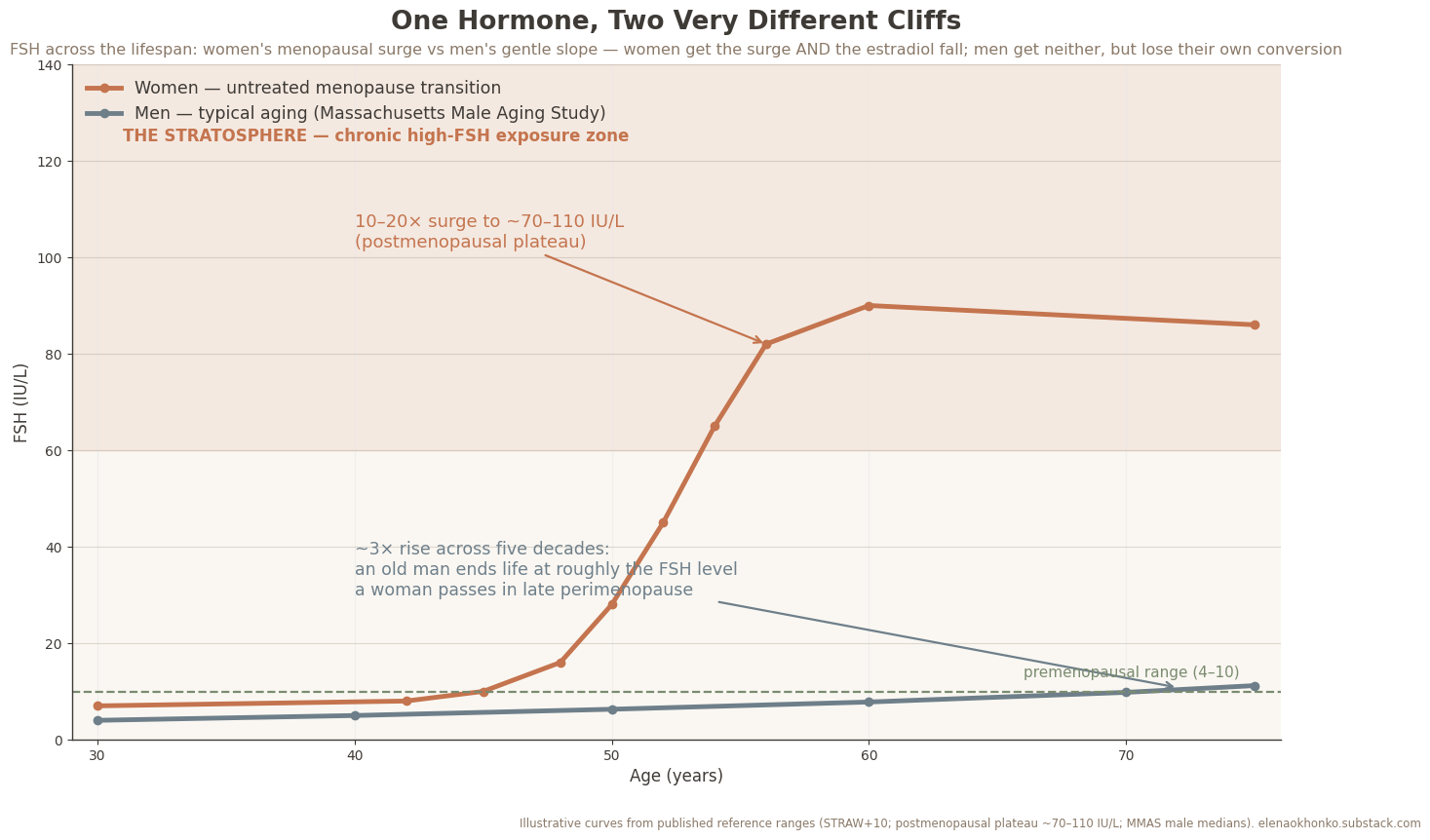
The first page is a true one-page clinical handout. The second page contains the supporting guidelines and literature references, including menopause, testosterone, cognition, ADHD hormones, APOE4 and FSH research.
This resource is particularly useful if you find it difficult to explain a complicated combination of cognitive, hormonal and AuDHD symptoms during a time-limited appointment.
Important
This handout is an educational and clinical-discussion aid. It does not diagnose hormone deficiency, provide personalised medical advice, recommend a predetermined dose or guarantee that a prescription will be issued. Hormone treatment requires assessment by a qualified prescriber, consideration of alternative causes, contraindication screening, informed consent and appropriate monitoring.