








Gaza Crisis
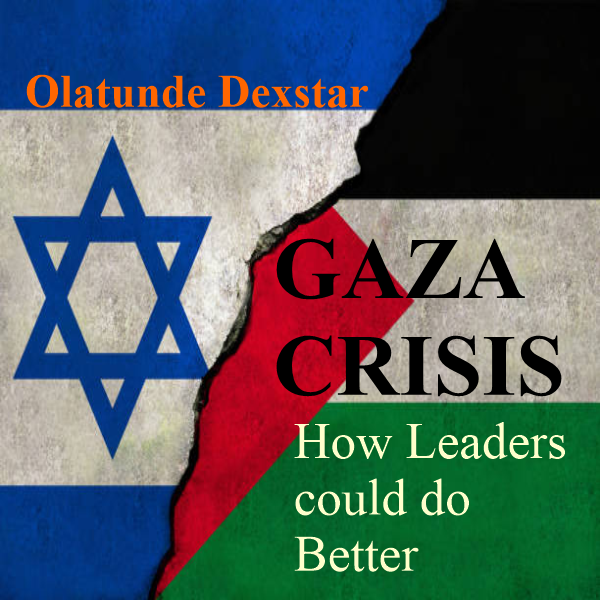
Decisions that have an impact on other people's lives are the authority and duty of leaders. This is particularly true for influential politicians, like those at the center of the current Gaza crisis. The enlightening book The Gaza Crisis: How Leaders could do better examines the difficulties and complexity of the conflict and provides leaders with incisive advice on how to work towards a peaceful conclusion.
The significance of comprehending and accepting the conflict's underlying roots is one of the book's main points. Israel and Palestine have been engaged in a decades-long cycle of violence and revenge, driven by ingrained political, religious, and historical grievances. Instead of using violence to settle differences, leaders must acknowledge these fundamental problems and solve them via meaningful discourse. Leaders may start to establish trust and work towards a lasting solution by acknowledging and resolving historical injustices as well as one another's points of view.
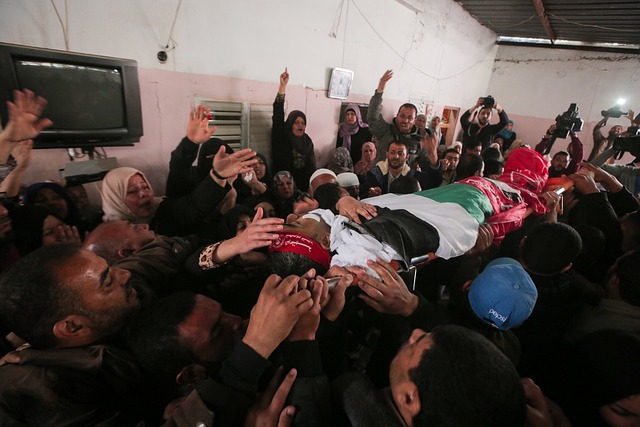
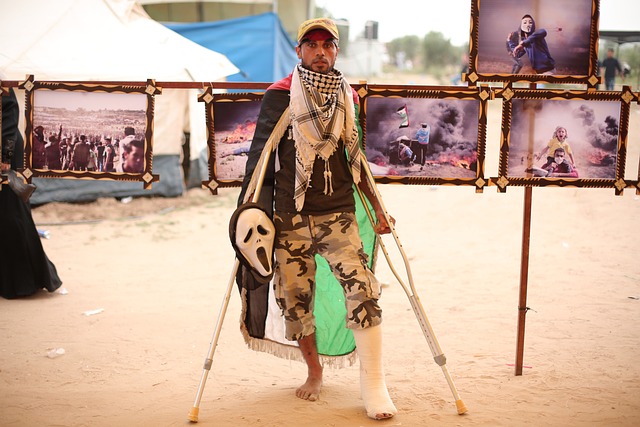
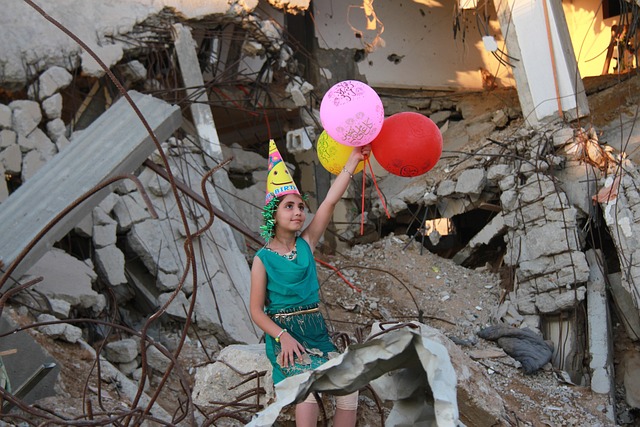
Leaders have an obligation to put the welfare of their constituents first in addition to comprehending the underlying issues. With almost 1.8 million people living in a mere 140 square miles, the Gaza Strip is among the world's most densely inhabited regions. Numerous civilians have died as a result of the prolonged violence, which has also negatively impacted infrastructure, healthcare, and education. however strongly they hold their political views, leaders have a duty to put the safety of the populace first and see to it that their fundamental necessities are satisfied. This not only shows compassion and understanding, but it also eases tensions and improves relationships amongst groups.
A further important lesson that the book emphasizes the need of diplomacy and good communication. Miscommunication or a lack of efficient avenues of communication between opposing parties sometimes lead to confrontations. There have been several unsuccessful attempts to negotiate peace in Gaza as a result of a breakdown regarding communication or mistrust amongst the leaders. The book makes the case that, even if it requires them to move outside of their comfort zones, leaders must be prepared to communicate honestly and openly. Skilled diplomacy may assist in mending rifts and provide doors to common ground.
This book's emphasis on the leadership role in advancing gender equality and women's empowerment in conflict resolution is one of its distinctive features. The continuing conflict in Gaza has disproportionately affected women, many of whom have lost loved ones and are either internally displaced or refugees. Nonetheless, they are frequently left out of peace talks and decision-making procedures. The book makes the case that since women bring distinct viewpoints and significant contributions to the table, they should be treated as equal players in these conversations.
To sum up, The Gaza Crisis: How Leaders could do Better serves as a valuable manual for those in leadership positions throughout the Gaza crisis. It emphasises how important it is for leaders to comprehend the underlying reasons of the conflict, put civilians' welfare first, employ good communication and diplomacy, and support gender equality in decision-making. Leaders may strive towards a peaceful conclusion that benefits all parties involved by putting these teachings into practice. This book is a crucial reminder that leaders have the ability to intensify or defuse situations, and it is their duty to select the course that will bring about wealth and peace for all.
Happy reading!!