
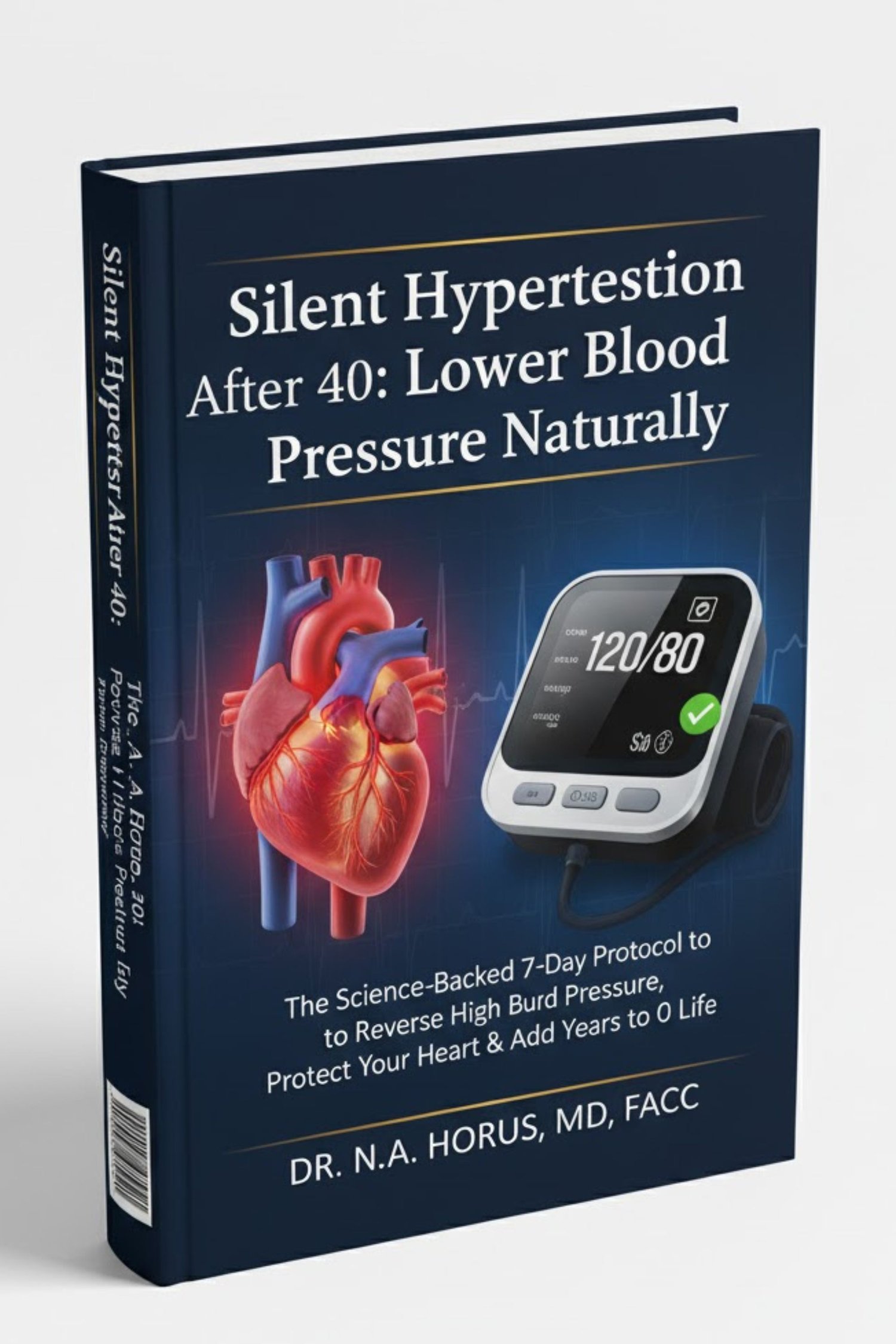
Silent Hypertension After 40: Lower Blood Pressure Naturally Without Medication
Silent Hypertension After 40: Lower Blood Pressure Naturally Without Medication
The Science-Backed 7-Day Protocol to Reverse High Blood Pressure, Protect Your Heart & Add Years to Your Life
This book is intended for educational and informational purposes only and is not a substitute for professional medical advice, diagnosis, or treatment. Always seek the advice of your physician or other qualified health provider with any questions you may have regarding a medical condition. Never disregard professional medical advice or delay in seeking it because of something you have read in this book.
The information provided in this publication is based on current medical research and clinical experience as of 2025. However, medical knowledge is constantly evolving, and individual patient needs vary. The author and publisher are not responsible for any adverse effects or consequences resulting from the use of any suggestions, preparations, or procedures described in this book.
If you have been diagnosed with hypertension or cardiovascular disease, are taking prescription medications, or have any chronic health conditions, you must consult your healthcare provider before making any changes to your treatment plan, diet, or exercise routine.
Emergency Notice: If you experience chest pain, severe headache, vision changes, difficulty breathing, or any symptoms of a hypertensive crisis, seek immediate medical attention by calling 911 or going to the nearest emergency room.
The Silent Killer in Your Arteries
Every 33 seconds, someone in the United States dies from cardiovascular disease. High blood pressure—hypertension—is the leading modifiable risk factor for heart attack, stroke, kidney failure, and vascular dementia.
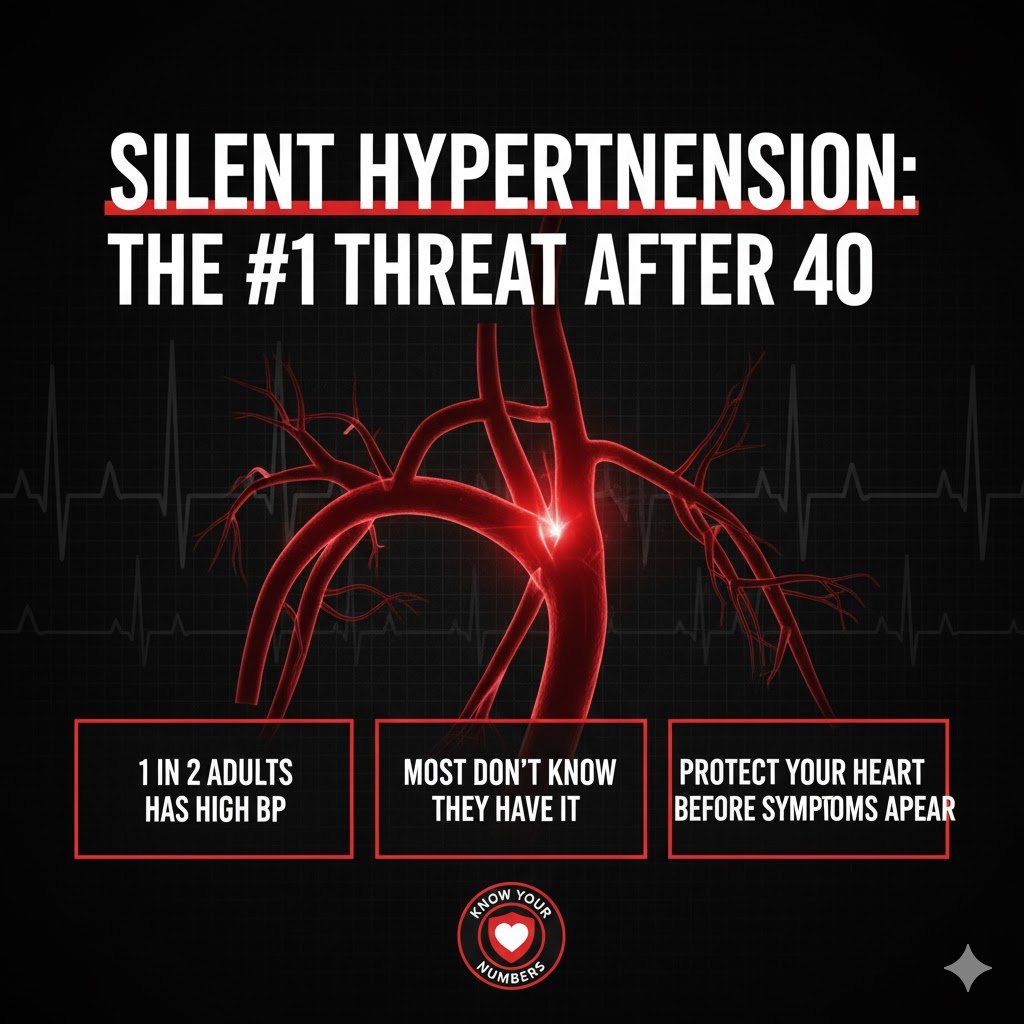
Here's what makes it particularly dangerous: nearly half of people with hypertension don't know they have it.
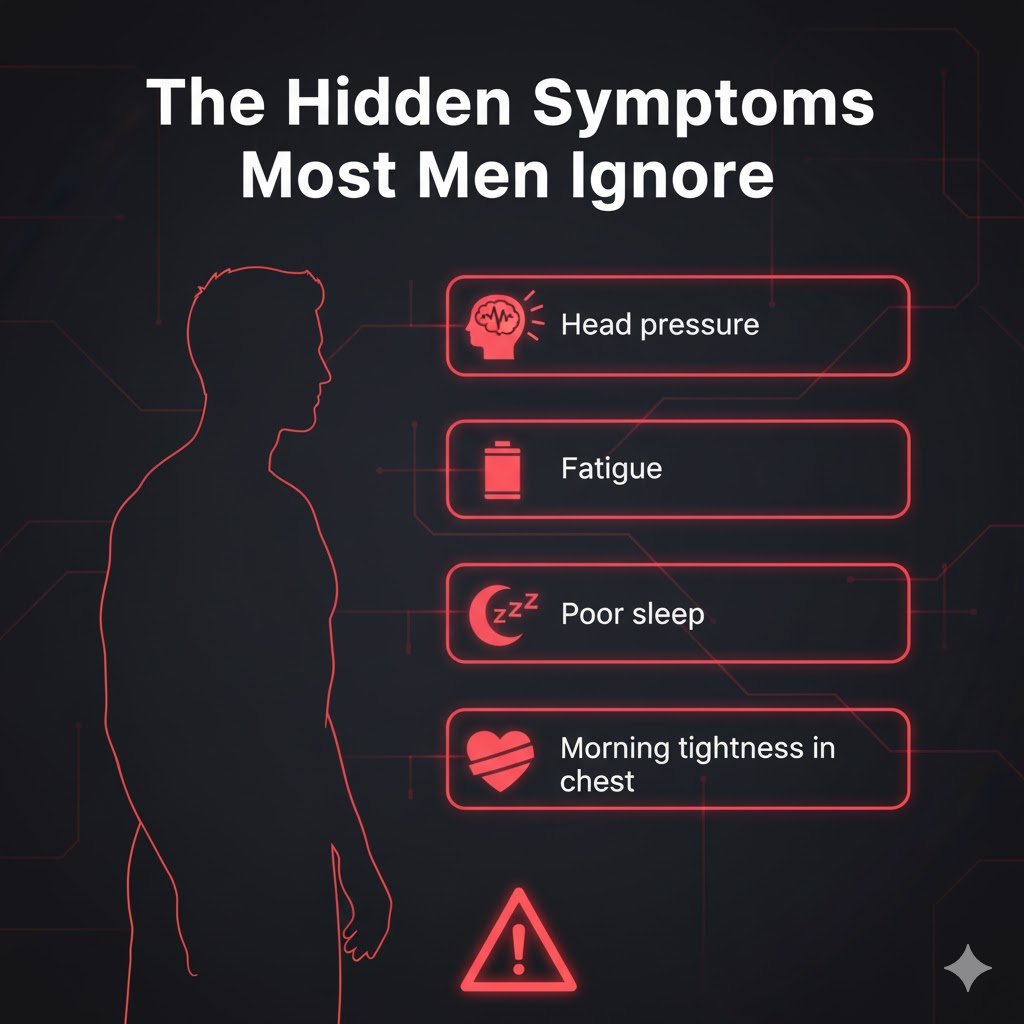
Unlike diabetes, where you might feel thirsty and fatigued, or arthritis, where you experience pain, hypertension operates in complete silence.
Your blood pressure can be dangerously elevated—140/90, 160/95, even 180/100—while you feel perfectly normal. You go about your daily activities, unaware that every heartbeat is forcing blood through narrowed, stiffened arteries, gradually damaging your heart, brain, kidneys, and eyes.
This is why hypertension is called "the silent killer."
The Alarming Statistics
According to the American Heart Association (2024):
- 119.9 million American adults have hypertension (nearly half the adult population)
- Only 1 in 4 have their blood pressure under control
- Men over 40 have a 90% lifetime risk of developing hypertension
- Hypertension contributes to 691,000 deaths annually in the United States
- The condition costs the U.S. $131 billion per year in healthcare expenses
Why Age 40 Is the Critical Threshold
Your cardiovascular system undergoes significant changes starting around age 40:
- Arterial stiffening accelerates due to collagen cross-linking and elastin degradation
- Baroreceptor sensitivity decreases, reducing your body's ability to regulate BP
- Endothelial dysfunction develops, impairing nitric oxide production
- Metabolic changes occur, including insulin resistance and increased visceral fat
- Chronic inflammation increases, promoting atherosclerosis
These physiological changes mean that blood pressure tends to rise by approximately 1-2 mmHg per year after age 40, even in people who maintain stable body weight and activity levels.
The Good News: Reversal Is Possible
Despite these sobering facts, there is tremendous hope. Multiple large-scale studies, including the DASH trials, PREMIER study, and the recent SPRINT trial, have demonstrated that lifestyle modifications can be as effective as medication for stage 1 hypertension (130-139/80-89 mmHg).
More importantly, these changes work quickly. Research shows that:
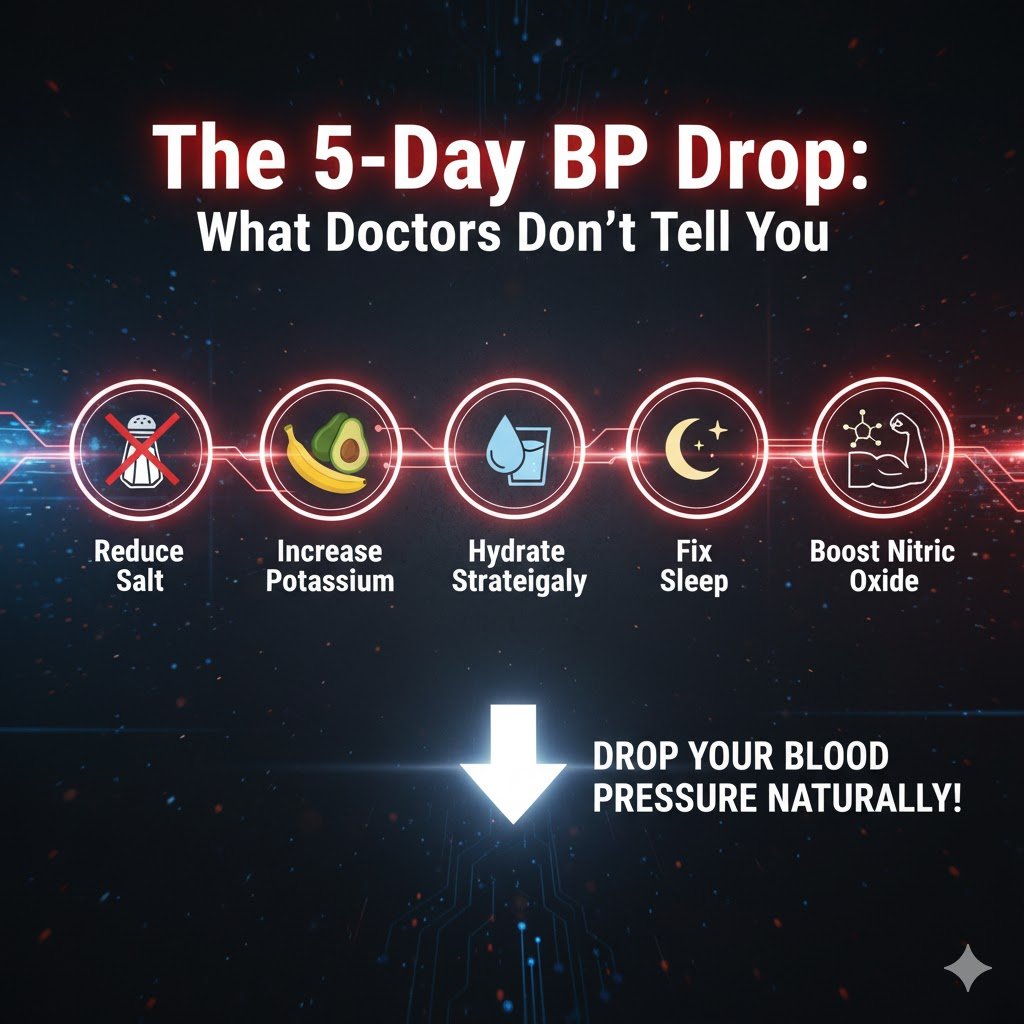
- Dietary sodium reduction can lower systolic BP by 5-6 mmHg within 4 weeks
- The DASH diet reduces BP by an average of 11.4 mmHg in just 2 weeks
- Weight loss of just 10 pounds can decrease BP by 5-20 mmHg
- Regular aerobic exercise lowers BP by 5-8 mmHg within 8-12 weeks
- Stress reduction techniques can reduce BP by 4-6 mmHg
This book synthesizes three decades of cardiovascular medicine practice and the latest evidence-based research into a practical, step-by-step protocol you can implement immediately—regardless of how busy your schedule is.
Who This Book Is For
This book is specifically designed for:
- Men and women over 40 who want to prevent hypertension before it starts
- Newly diagnosed hypertensive patients (stage 1) who want to try lifestyle modification before medication
- People with prehypertension (120-129/<80 mmHg) who want to prevent progression
- Patients already on medication who want to reduce their dosage or number of drugs (under medical supervision)
- Anyone with a family history of hypertension, heart disease, or stroke
- Busy professionals who need efficient, science-backed protocols
What Makes This Book Different
Unlike general health books that offer vague advice like "eat better" and "exercise more," this guide provides:
- Specific, measurable protocols with exact portions, timing, and intensity levels
- A structured 7-day implementation plan that fits into a busy schedule
- Evidence-based strategies referenced to peer-reviewed medical literature
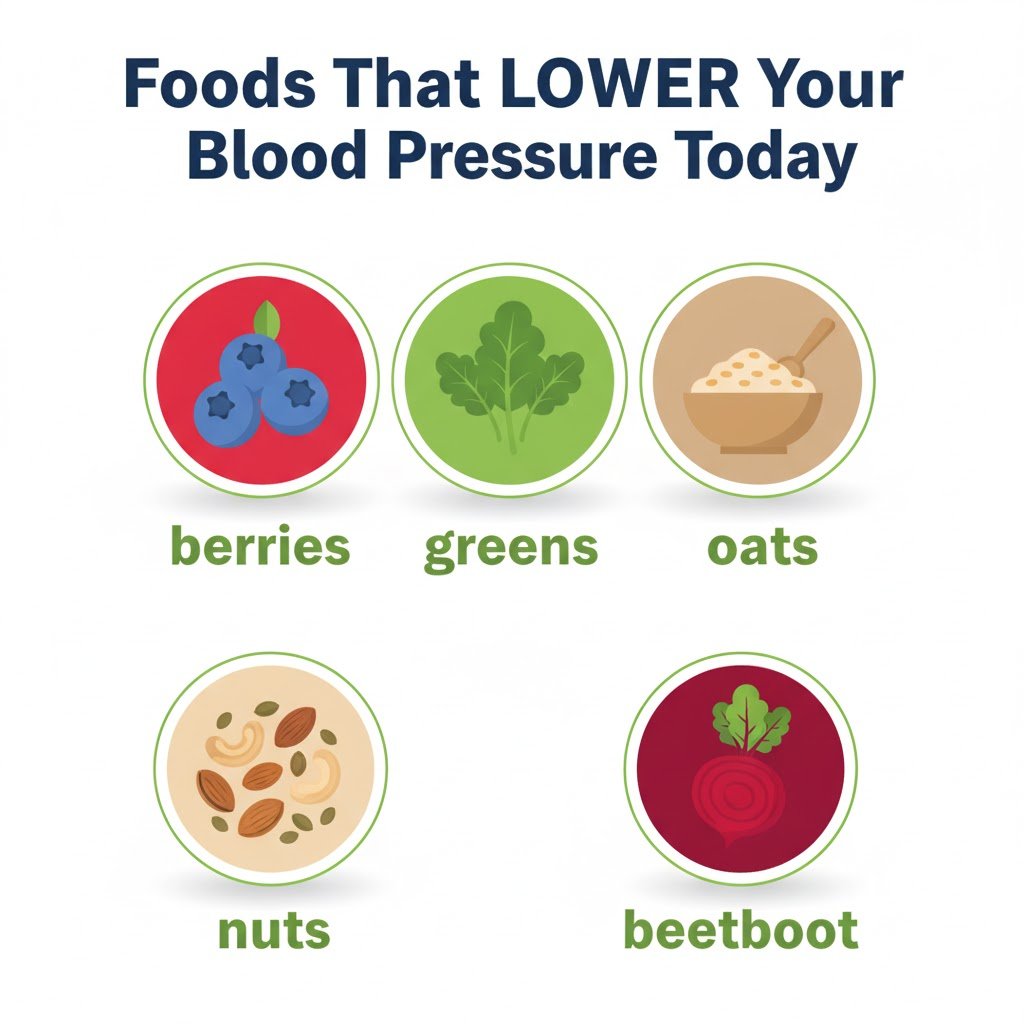
- Practical meal templates with grocery lists and preparation times
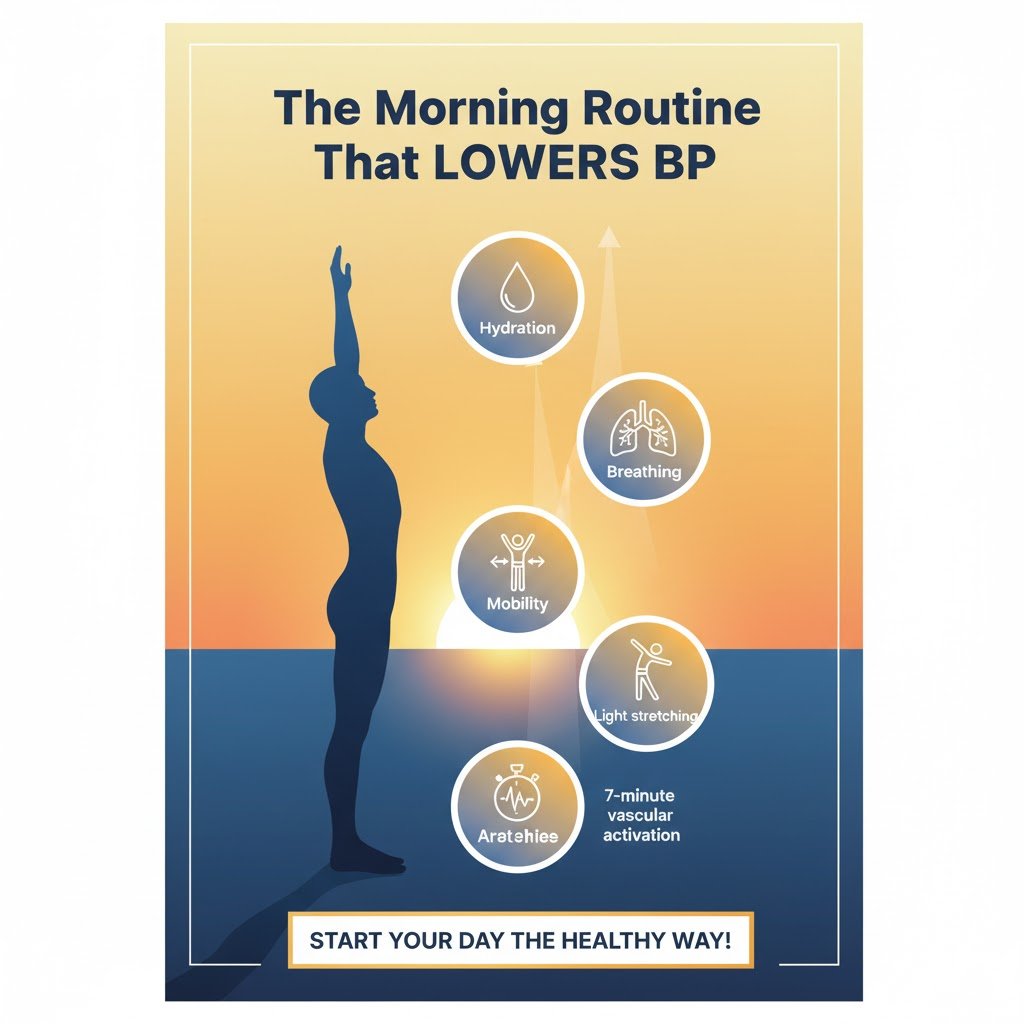
- Short, effective exercise routines (7-15 minutes) proven to improve vascular function
- Tracking tools to monitor your progress objectively
You won't find fad diets, unproven supplements, or unrealistic lifestyle overhauls. Every recommendation in this book is supported by clinical research and has been tested in real-world cardiology practice with thousands of patients.
My Promise to You
If you follow the 7-day protocol outlined in Chapter 3, you will see measurable improvement in your blood pressure readings. Most patients experience:
- 5-12 mmHg reduction in systolic blood pressure
- 3-8 mmHg reduction in diastolic blood pressure
- Improved energy levels and sleep quality
- Reduced anxiety about their cardiovascular health
- Concrete knowledge of what works for their unique physiology
More importantly, you'll develop sustainable habits that will protect your heart, brain, and kidneys for decades to come.
Your cardiovascular health is your most valuable asset. Let's start protecting it today.