
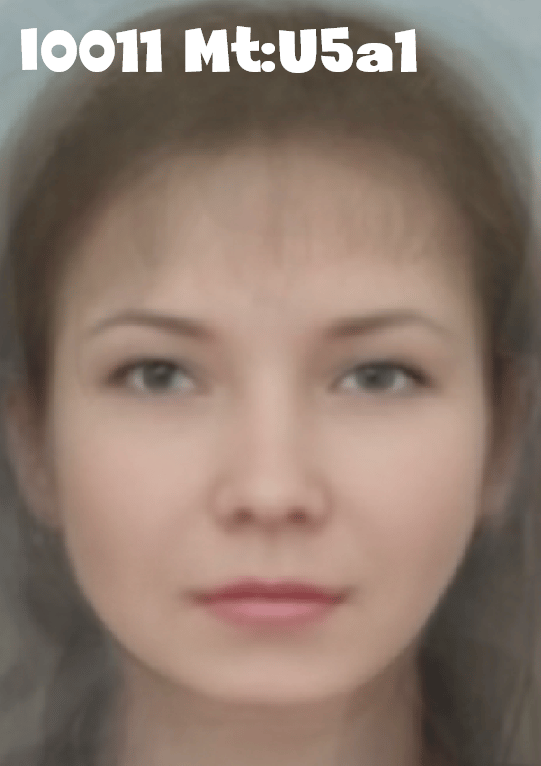
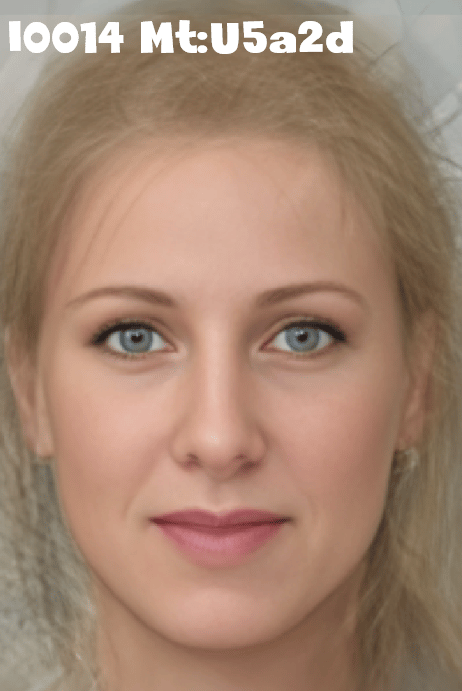
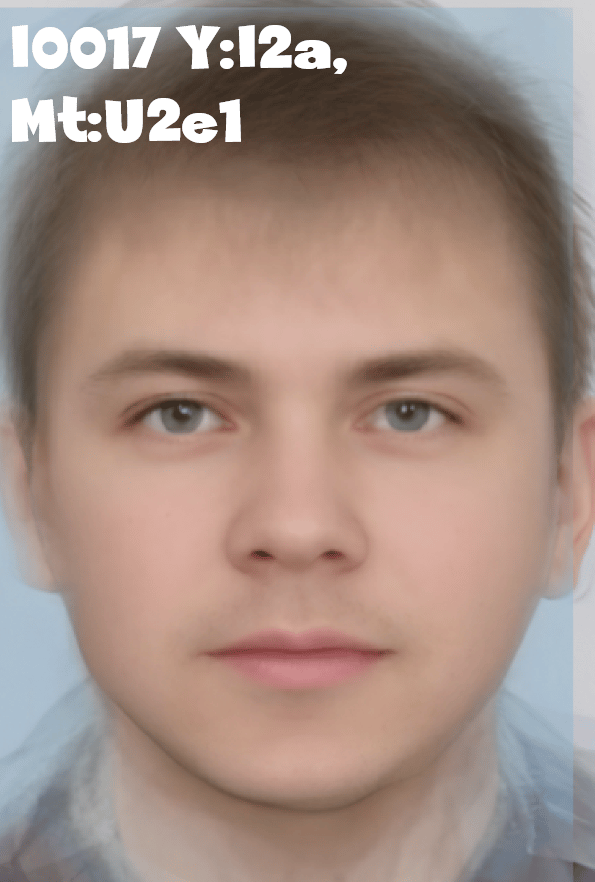


Motala HG I0011 + I0014 + I0017 23andme
The Motala cluster is a group of Mesolithic hunter-gatherers excavated at the site of Kanaljorden near Motala in southern Sweden, dating to roughly 6000–5000 BC. These individuals are typically associated with the Scandinavian Mesolithic and are often classified within the broader Western and Scandinavian Hunter-Gatherer genetic continuum. Archaeologically, the site is famous for its ritual depositions, human skulls mounted on wooden stakes and placed in a shallow lake, suggesting complex mortuary practices and symbolic behavior.
Dietary evidence from stable isotope analysis shows that the Motala individuals relied heavily on aquatic resources. Compared to many continental Western Hunter-Gatherers, they consumed substantial amounts of freshwater fish and possibly marine foods, alongside terrestrial game such as elk and deer. Their lifestyle was mobile but regionally adapted, exploiting riverine and coastal ecosystems in ways distinct from more inland European hunter-gatherers.
For this video, I’ve gathered the genomes of 3 Motala hunter gatherers. I used Admixtools but also my Trait predictor to analyze them.