

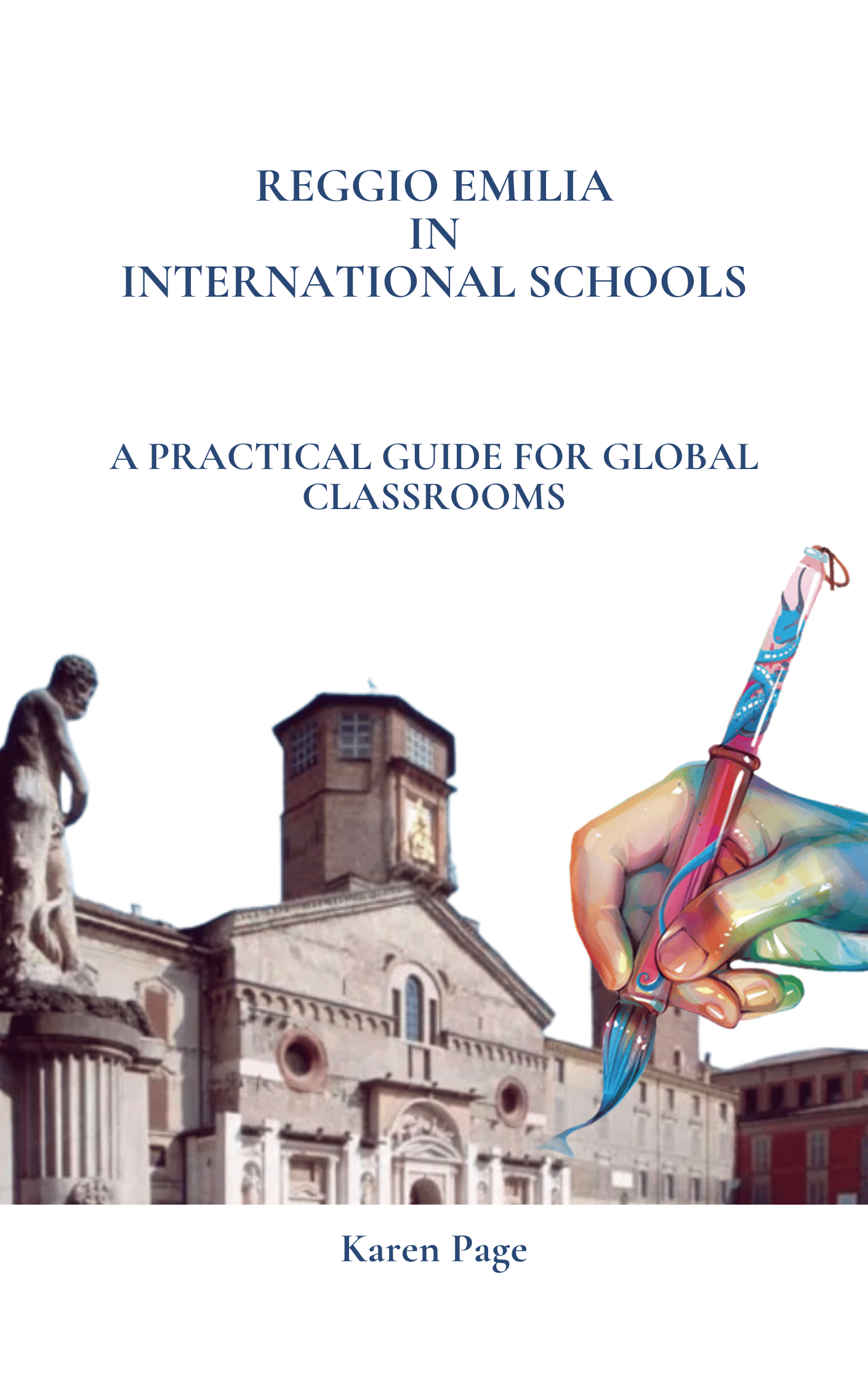

Reggio Emilia in International Schools A Practical Guide for Global Classrooms
A Reggio-Inspired Classroom
Walk into a Reggio-inspired classroom and you usually feel the difference before anyone explains it. The light is softer.
Children’s work is displayed with real care, not as wallpaper. You might see small groups building theories with wire, clay, or loose parts while a teacher listens closely, notebook in hand. If you’ve been asking what a Reggio Emilia school is, the short answer is this: it is a school shaped by deep respect for children, relationships, inquiry, and the belief that learning happens through exploration, expression, and community.
That answer is true, but it is also incomplete.
Reggio Emilia is not a boxed curriculum with matching posters and scripted lessons. It is an educational philosophy that began in the town of Reggio Emilia, Italy, after World War II, when families and educators set out to build a different kind of future for children.
That origin matters. This approach was born from civic hope, democratic values, and a serious belief that children deserve to be seen as capable citizens from the very start.
https://karenglobalauthor.life/