
The Role of Flashing and Underlayment in Long-Lasting Roofs
Most homeowners focus on visible roofing materials—shingles, tiles, or metal panels—when evaluating the health of their roof. But two of the most critical components that determine how well your roof performs over time are mostly hidden from view: flashing and underlayment. Together, they protect your home from leaks, moisture buildup, and premature aging.
Whether you’re planning a roof replacement or just want to understand how your system works, it’s worth knowing how these elements function—and how experienced roofing companies San Diego contractors approach their installation and maintenance.
What Is Flashing, and Why Does It Matter?
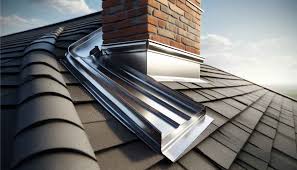
Flashing is typically made of thin metal—often aluminum, galvanized steel, or copper—and is installed anywhere your roof meets a vertical surface or penetrates, such as around chimneys, skylights, vent pipes, dormers, or walls. Its job is simple but critical: redirect water away from vulnerable seams and joints.
When flashing fails or is improperly installed, water finds its way beneath the surface of your roofing materials. Over time, this can lead to rotted decking, mold in the attic, and even interior ceiling damage. Unfortunately, flashing problems often go unnoticed until visible signs of water damage appear inside your home.
Professionally installed flashing is tightly sealed, layered correctly with roofing materials, and angled to ensure proper drainage. In coastal cities like San Diego, where occasional wind-driven rain can challenge even well-built roofs, flashing plays a frontline role in waterproofing your home.
The Importance of Quality Underlayment
Beneath every visible roofing system is a layer of underlayment—usually a roll-out membrane that acts as a secondary barrier against moisture. Traditionally, this was felt paper, but modern roofing often uses synthetic underlayment for added durability and resistance to tearing.
If water gets past the outer layer—due to wind, cracked tiles, or other damage—the underlayment is your backup defense. It protects the roof decking, which supports the structure of your roof. In tile roofs, which are popular across San Diego, the underlayment often does more to keep out water than the tiles themselves. That’s why tile roofs can appear fine from the outside while leaks develop underneath.
Well-installed underlayment can extend the life of your roof by years. Roofing contractors often say, “You’re only as good as your underlayment,” because it takes the real beating over time. When replacing a roof, reputable roofing companies San Diego homeowners trust will never skip this step—or go cheap on materials.
Common Failures and How to Spot Them
Flashing and underlayment can deteriorate for several reasons. In flashing, corrosion from salt air (common near the San Diego coastline), poor sealing, or improper installation can lead to cracks and leaks. When it comes to underlayment, age is the biggest factor—especially on older homes where felt paper was used.
Signs of failure might include water stains near skylights or chimneys, mold or mildew smells in the attic, bubbling paint, or soft spots on ceilings. These issues often start small, then expand if ignored. That’s why regular inspections are so important, even if your roof looks intact from the ground.
Professional roofers use moisture meters, infrared cameras, and visual inspection to detect weak spots before they become full-blown leaks. This kind of diagnostic work is one of the reasons homeowners seek out experienced roofing companies San Diego locals recommend for comprehensive evaluations.
Upgrading During Roof Replacement
If you’re already planning to replace your roof, it’s the perfect time to upgrade flashing and underlayment. Contractors can install metal flashing that’s custom-fit to your roof, reinforced with high-performance sealants that resist corrosion and movement.
For underlayment, most roofers now recommend synthetic products that offer better UV resistance and waterproofing, especially in the hot, dry summers San Diego is known for. If your home is close to the coast or in a high-moisture zone, your roofer might also suggest ice and water shield in valleys or low-slope sections—even though snow isn't a concern here.
These upgrades don’t just prevent problems—they help your roofing system qualify for better warranties and increase your home’s resale value by reducing the risk of water intrusion.
Protect the Parts You Don’t See
When thinking about your roof’s durability, don’t just focus on what’s on top. The layers beneath—flashing and underlayment—are what keep your roof watertight and structurally sound through years of sun, wind, and rain.
If you haven’t had your roof inspected in the last five years, or if your home is older and hasn’t been re-roofed in decades, now’s the time to get an expert opinion. A professional roofer can assess whether your hidden defenses are holding up—or if it’s time for a refresh.
When comparing roofing companies San Diego homeowners rely on, look for those who prioritize workmanship on every layer of the roof—not just the visible ones. Because in roofing, what you can’t see is often what matters most.