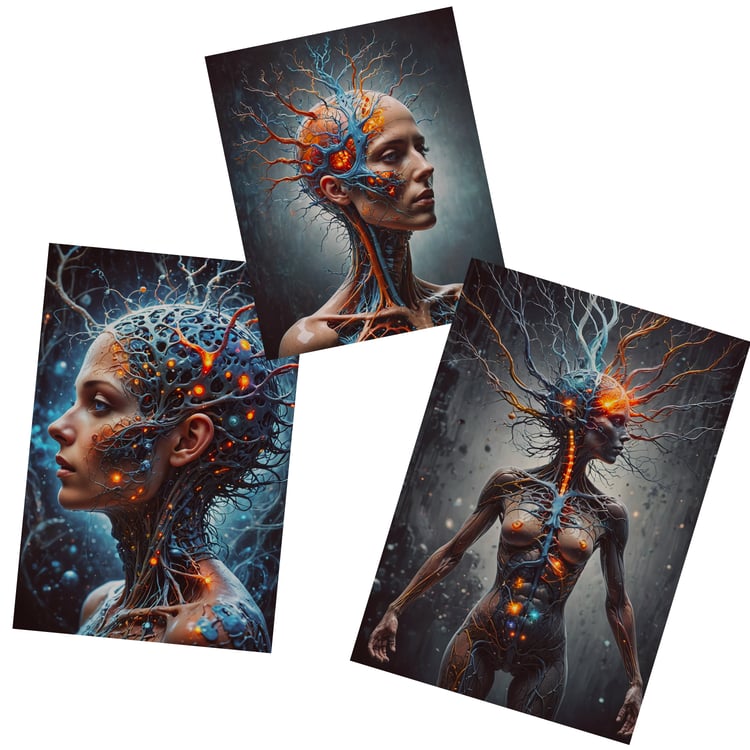

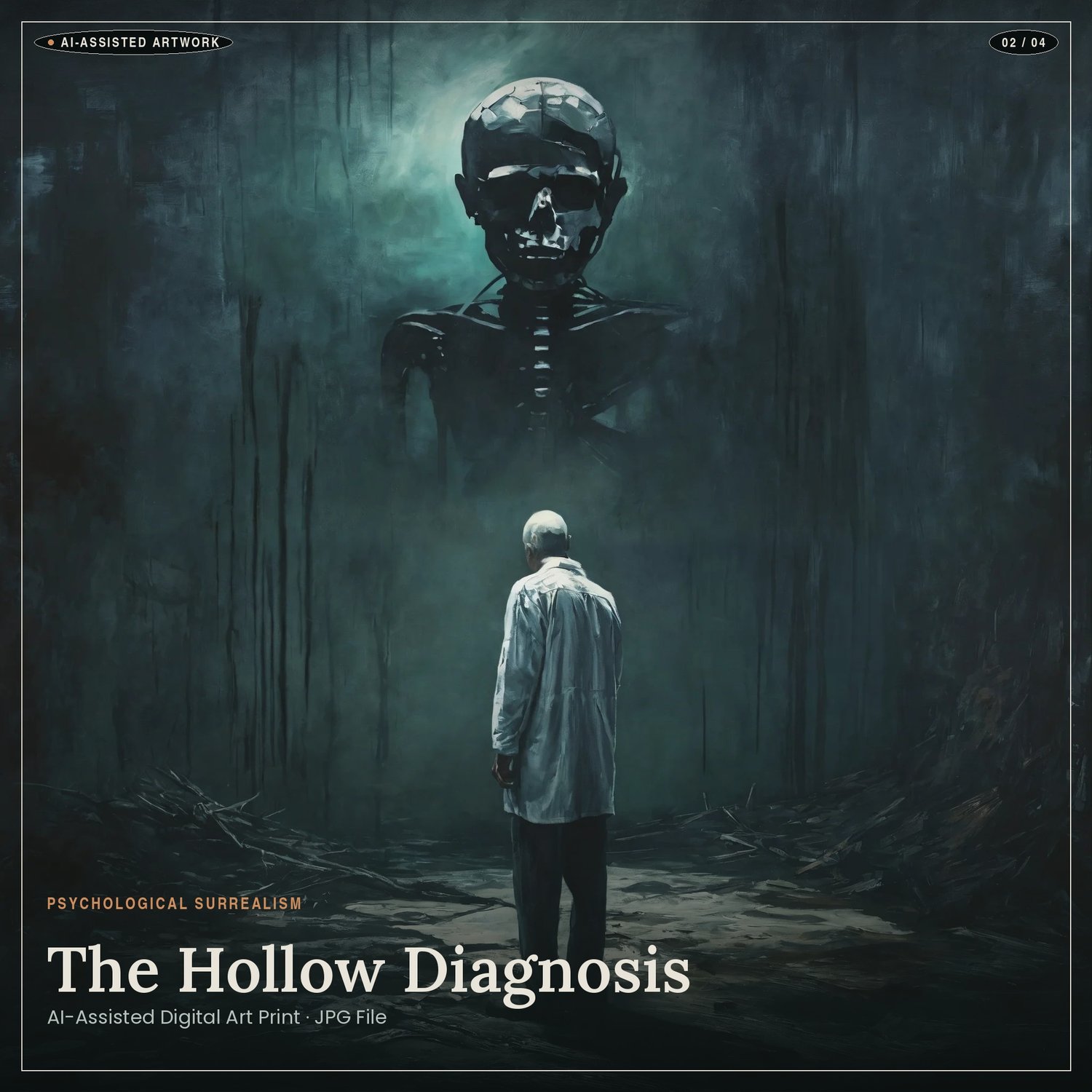
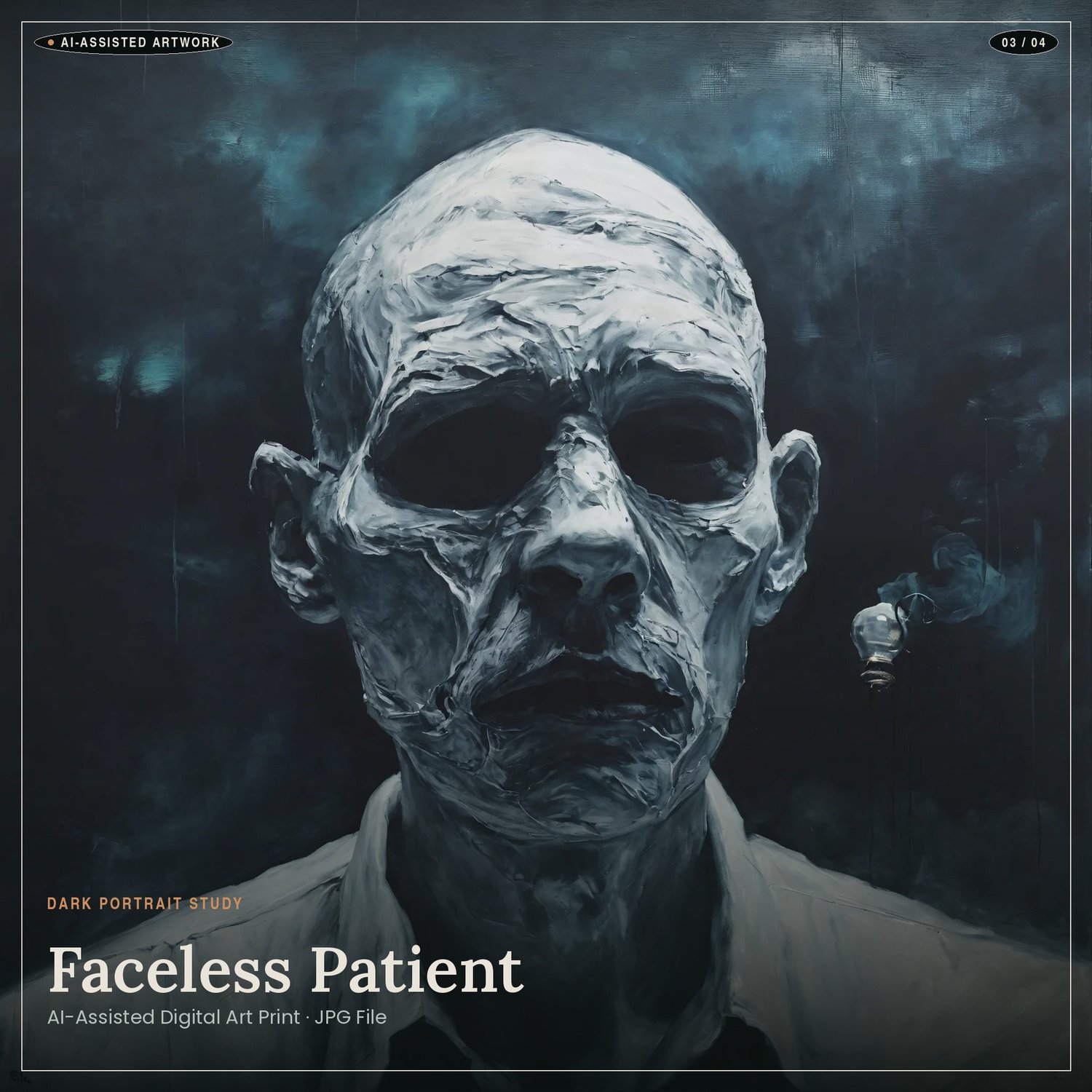
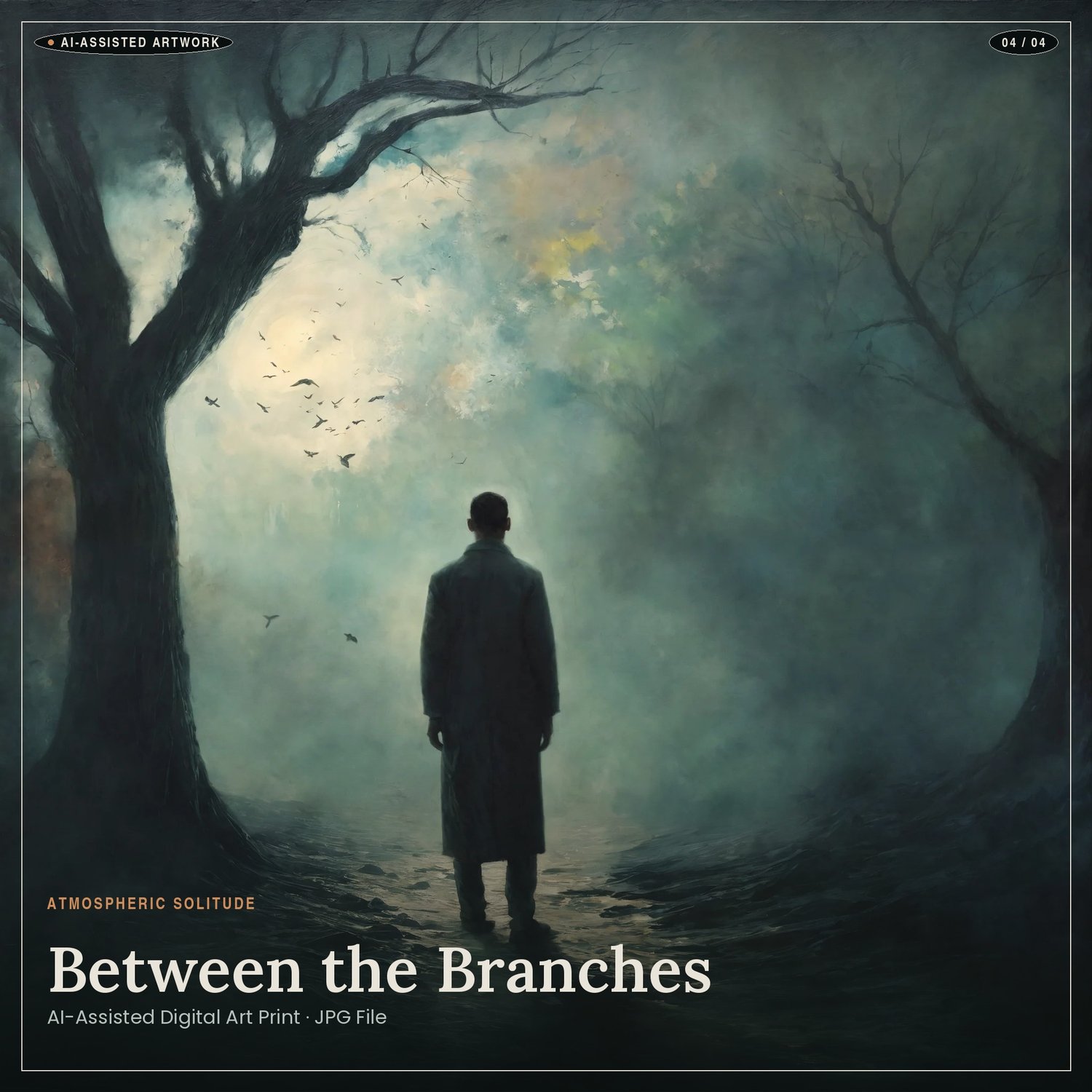
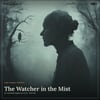
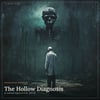
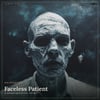
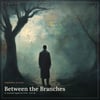
The Silent Patient — Dark Surreal Portrait Collection
Every piece in The Silent Patient started the same way most AI art does now — with a conversation. Not between two people, but between a human imagination and a machine that's learned to paint from millions of brushstrokes it's never physically held. I'd describe a feeling — the particular quiet of standing in fog, the strange comfort of being watched by something in the trees, the hollow ache of not recognizing your own reflection — and the AI would hand back a first sketch of that feeling. Then the real work began: nudging the composition, adjusting the light, rejecting a dozen drafts until one finally felt true.
That's the part people don't always picture when they hear "AI art." It's not a vending machine. It's closer to directing a very talented, very literal collaborator who's read every painting ever made but has never actually felt lost in a forest. My job was to bring the feeling; the AI's job was to help me see it. Every silhouette, every ring of mist, every hollow-eyed stare in this collection went through that back-and-forth — prompt, generate, refine, repeat — until the image matched something true in my head.
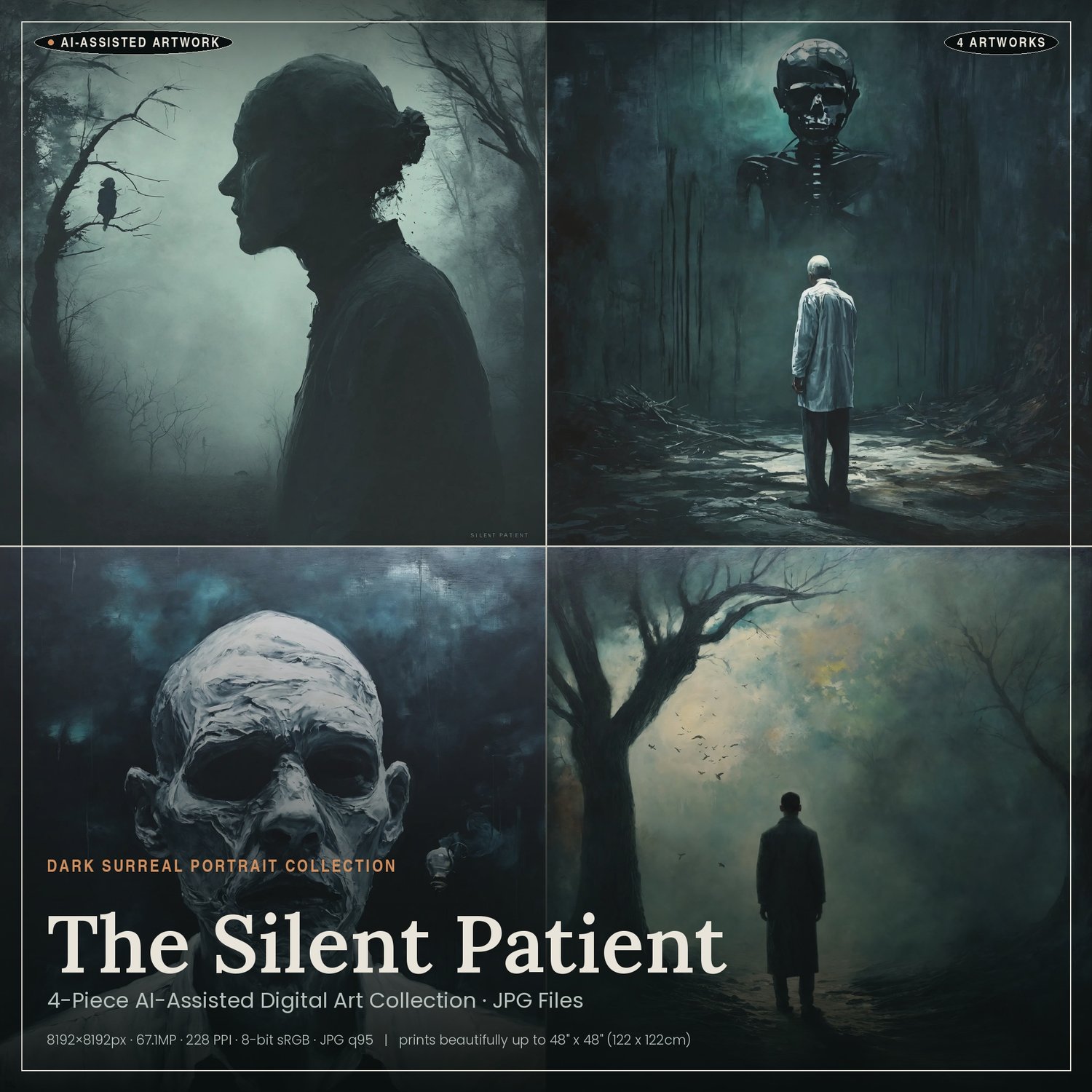
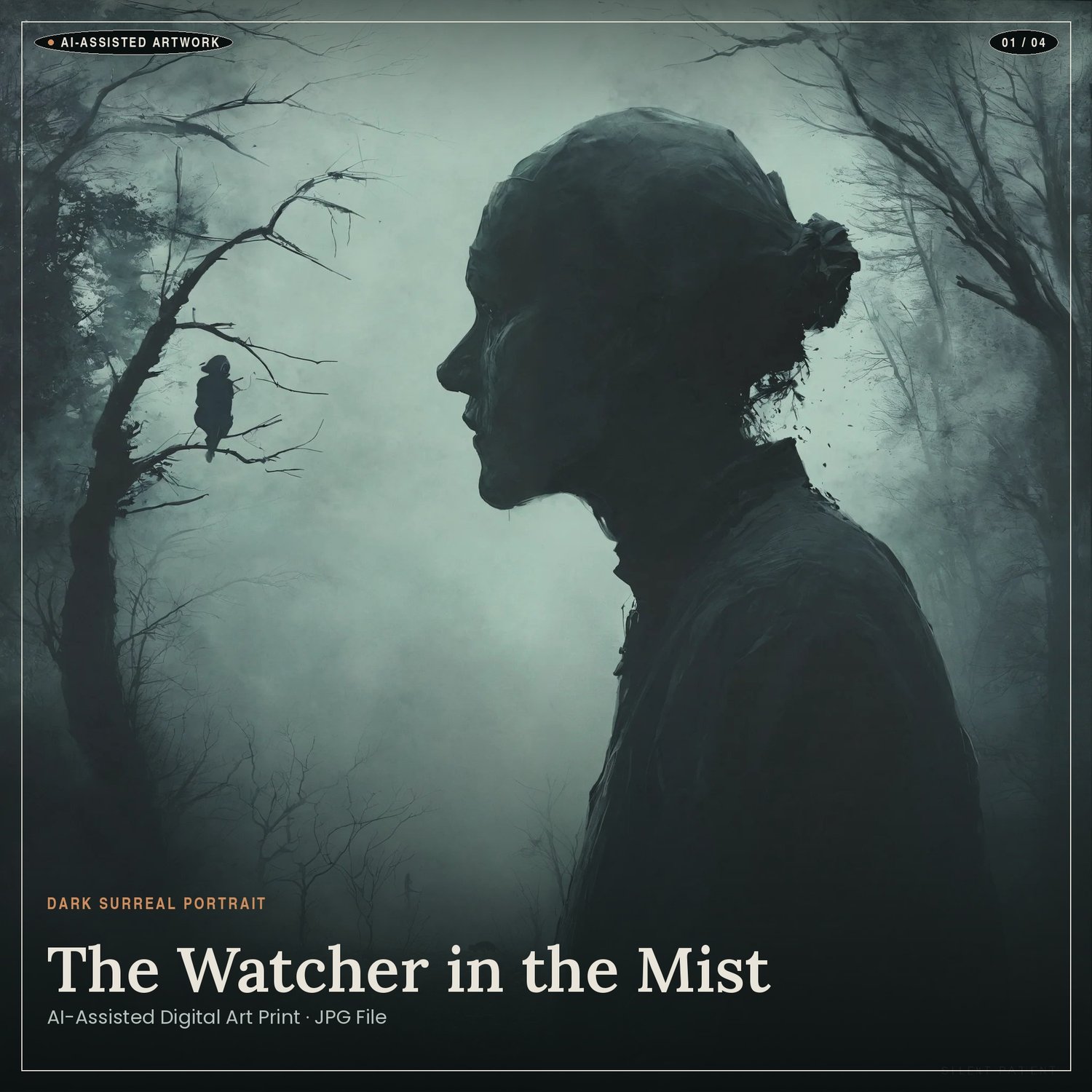
Thematically, The Silent Patient is about the parts of ourselves we don't show anyone: illness, isolation, the masks we wear so no one asks if we're okay. The recurring fog isn't just atmosphere — it's what uncertainty looks like. The bald, faceless figures aren't meant to be scary for their own sake; they're meant to feel like anyone, stripped of the details we usually hide behind. I wanted the collection to sit in that uncomfortable, honest place between horror and empathy — the place where you look at a hollow face and think, quietly, I've felt like that too.
AI made this collection possible in a way it genuinely wouldn't have been otherwise — I could chase a mood through dozens of variations in an afternoon instead of months. But the eye behind the choices, the story being told, and the final "yes, that's it" moment were all mine. That's the honest version of how this was made, and I think it's worth sharing plainly.
Image Quality — What You're Getting
Hey, quick and friendly rundown of exactly what's in the file before you buy, so there are zero surprises:
- Resolution: 8192 × 8192 pixels — that's a whopping 67.1 megapixels of detail
- PPI: 228 ppi, which is well above standard print quality (300 ppi is often the "gold standard," and at this pixel count you've got plenty of room to print large without any softness)
- File format: JPG, compression quality 95/100 — virtually indistinguishable from a lossless file, but with a much friendlier file size
- Color space: 8-bit sRGB — the standard color profile for both screens and most home/professional printers, so colors stay true whether you're viewing or printing
- Print size: Looks gorgeous up to 48" × 48" (122 × 122 cm) — big enough to be the centerpiece of a room, and just as stunning scaled down for a smaller frame
In short: this file has plenty of headroom for a large statement print, a gallery wrap, or a poster, and it'll hold up to close-up viewing without pixelation.
Style Tags
Dark Surrealism · Gothic Portraiture · Psychological Horror Art · Moody Fine Art · Atmospheric Realism · Cinematic Digital Painting · Noir Fantasy · Contemporary Dark Academia
Color Palette
A tight, moody palette pulled straight from the paintings themselves:
- Ink Black-Teal #0B1210 — the deep shadow tone anchoring every piece
- Slate Fog Blue #2E4A4F — the misty mid-tones that give the forest its depth
- Sage Mist #A9C4B8 — the pale, glowing fog that lights each scene
- Bone Parchment #E8E4D9 — soft highlights on skin, coats, and paper-like textures
- Warm Ember #CE8D5C — a rare, quiet warm accent (a glowing bulb, a patch of sky) that keeps the palette from feeling flat
Target Audience
- Personal: Collectors of moody, gallery-style wall art; fans of psychological thrillers, gothic aesthetics, and dark academia decor
- Business: Book cover art, album art, editorial illustration, moody brand or campaign visuals, horror/thriller marketing material
- Education: Useful as a discussion piece in art, media studies, or psychology-adjacent classrooms exploring symbolism, visual storytelling, or AI-assisted art — not intended for children's spaces due to its intense, unsettling imagery
A friendly heads-up: these are deliberately intense, mature-toned images (hollow eyes, skeletal and faceless figures, funereal color). They're best suited to adult and mature-teen audiences and aren't a fit for nurseries, kids' rooms, or family-friendly spaces.