
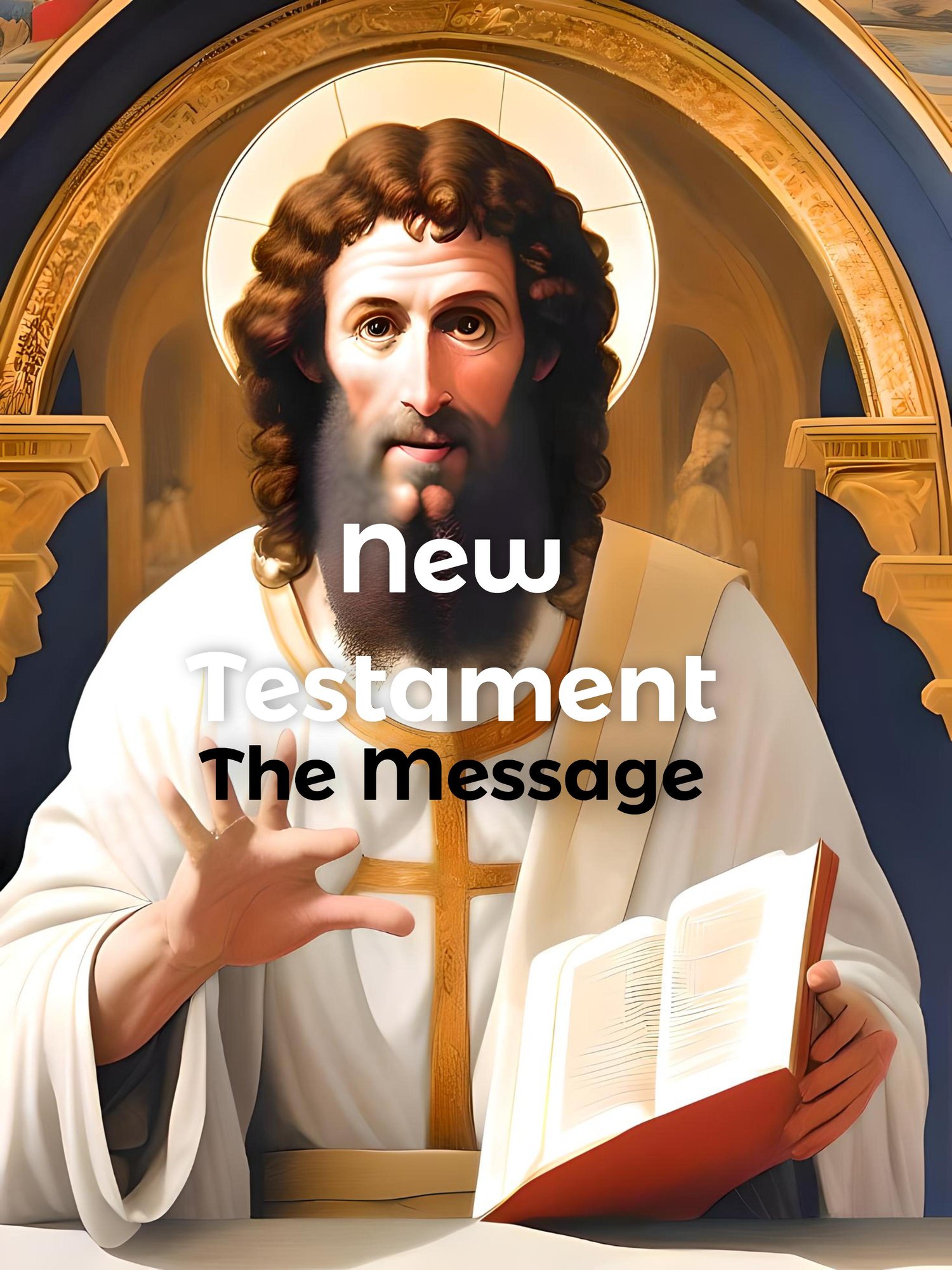
New Testament: The Message
New Testament: The Message
The New Testament, also known as the Christian Bible, is a collection of religious texts that form the second part of the Christian biblical canon. Consisting of 27 books, the New Testament serves as a guide for Christians and provides insight into the life, teachings, death, and resurrection of Jesus Christ.
The New Testament is divided into several sections, each offering a unique perspective on the Christian faith. The Gospels, which include the books of Matthew, Mark, Luke, and John, present the life and ministry of Jesus. These narratives provide accounts of his birth, miracles, parables, teachings, and ultimately, his crucifixion and resurrection.
Following the Gospels, the New Testament includes the Acts of the Apostles. This book serves as a historical account of the early Christian church, detailing the actions and teachings of the apostles after Jesus' ascension. It provides insights into the spread of Christianity and the challenges faced by the early believers.
The New Testament also contains various epistles, or letters, written by apostles and early Christian leaders. These letters address specific issues within early Christian communities and offer guidance, encouragement, and theological insights. The epistles include works by Paul, Peter, John, James, and Jude.
The final book of the New Testament is the Book of Revelation, which presents a vision of the end times and the ultimate victory of God over evil. It is a highly symbolic and poetic text, offering hope and reassurance to believers amidst persecution and adversity.
The New Testament is not only a religious text but also a literary and historical document. It has had a profound influence on Western civilization, shaping art, literature, ethics, and philosophy. Its teachings continue to impact the lives of millions of people worldwide.
In conclusion, the New Testament is a compilation of sacred texts that reveal the message of Christianity. It offers guidance, inspiration, and a roadmap for believers to follow. Whether one approaches it from a religious, historical, or literary perspective, the New Testament remains a significant and influential work.