
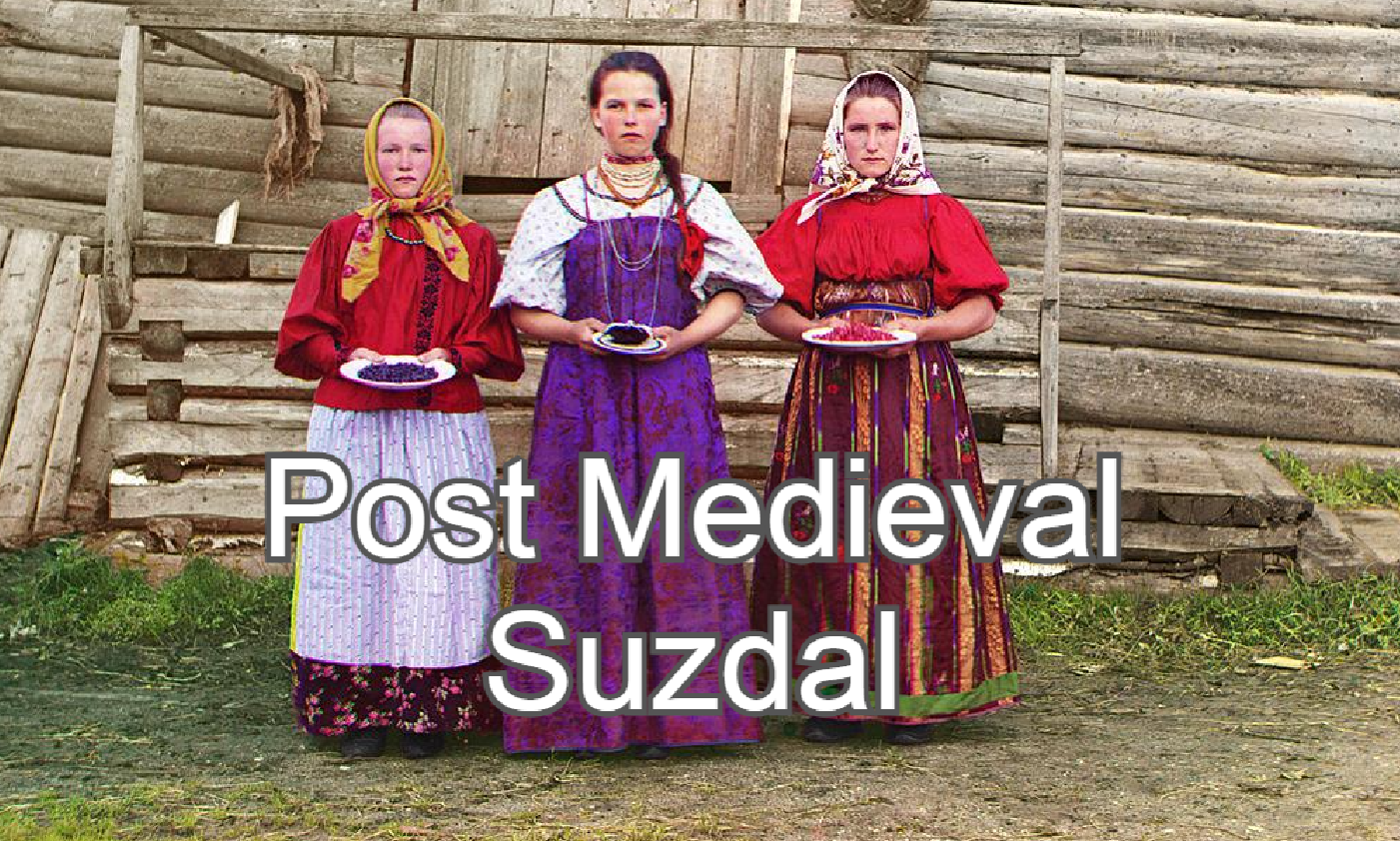
KBL002 - Ancient Russian (Slavic)
The history of ethnic Russians is a tale of intermingling and adaptation. Their roots trace back to the Eastern Slavs, who migrated into Eastern Europe around the 6th and 7th centuries AD. These Slavs assimilated with the Finnic people already inhabiting the region. Over time, through trade, conquest, and intermarriage, the Eastern Slavs absorbed influences from various groups, including Vikings (known as Varangians in Eastern Europe), Turkic nomads, and Baltic tribes. Kievan Rus', a powerful state that emerged in the 9th century, played a crucial role in shaping early Russian identity. The Mongol invasion in the 13th century brought a period of hardship but also cultural exchange. The Grand Duchy of Moscow, which rose to prominence after the Mongol yoke loosened, became the foundation for the Tsardom of Russia, established in the 15th century. This period saw the expansion of the Russian state and the consolidation of a national identity tied to the Orthodox Church. Over the centuries, Russians continued to mix with neighboring populations, including Ukrainians, Tatars, and Siberians, as the Russian Empire grew vast. Today, ethnic Russians make up around 80% of the population of the Russian Federation, a testament to their enduring legacy as a product of a long and complex history.