


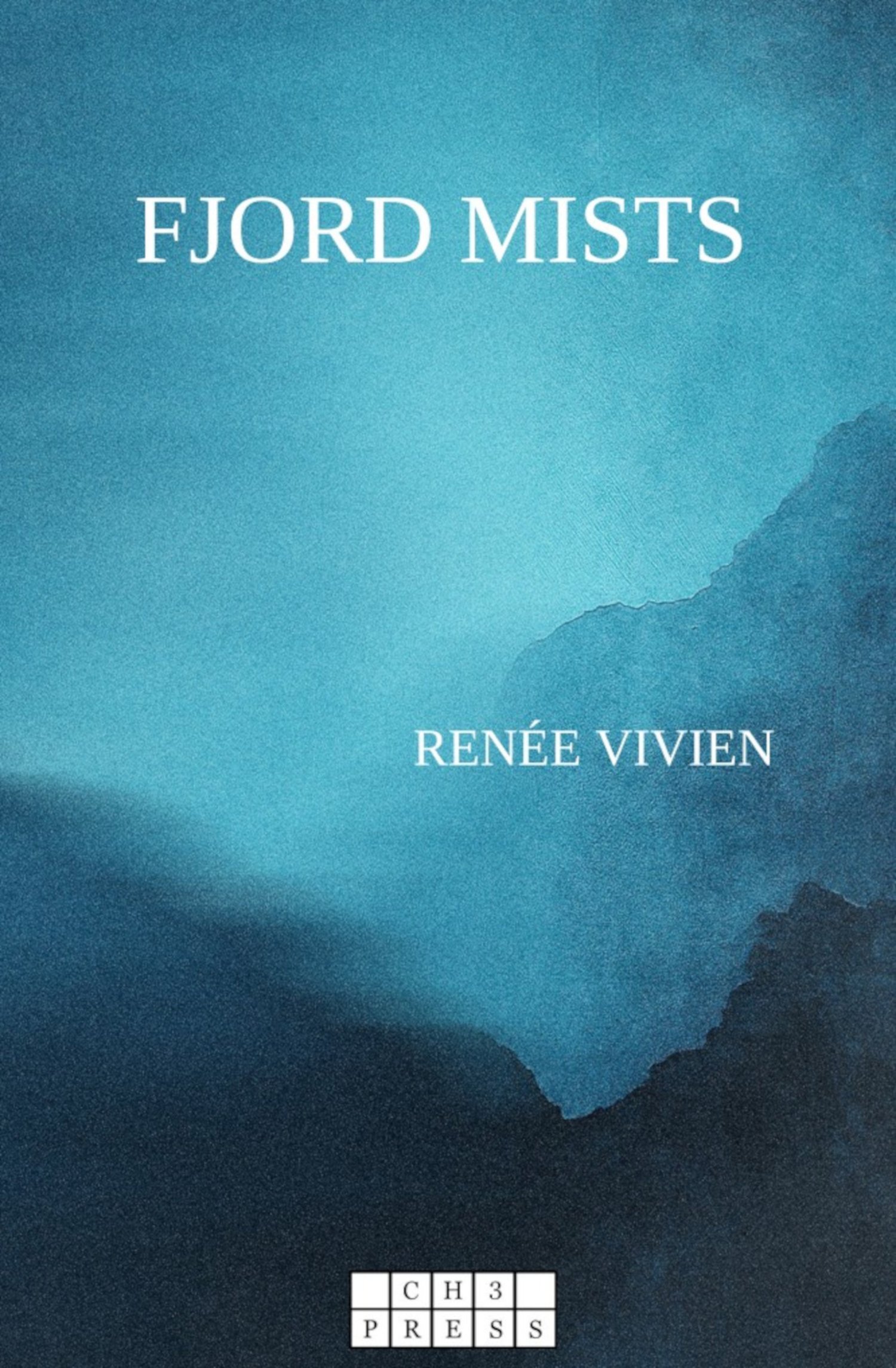
Fjord Mists (Epub)
Langue: ENGLISH
Format: Epub (Compatible with all major eReaders and devices for a smooth, seamless reading experience.)
The Black Swan
Upon the weighted waters drifted
a cloud of pale swans.
They trailed a silver glimmer
in their wake.
Seen from afar,
they seemed a flock of living snows.
One day, they glimpsed
a black swan,
whose alien grace shattered
the harmony of their unveined whites.
He wore the plumage of mourning,
his beak a wound of red.
The white swans recoiled in fear
from their unusual twin.
Then fear ripened into hatred,
and they fell upon him
with such fury
that he nearly died.
And the black swan said to himself:
“I am weary of the cruelties of my kind, who are not my kin.
I am weary of whispered enmities and open rage.
I shall forever flee into a great seclusion.
I shall rise and fly towards the boundless sea.
I shall taste the bitter winds offshore
and the voluptuous rapture of the storm.
Raging waves shall cradle my sleep;
and I shall rest in the roaring tempest.
Lightning shall be my secret sister,
and thunder, my beloved brother.”
He stood up and flew towards the sea.
The calm of the fjords could not retain him.
He did not linger over the watery reflections of grass and trees;
he scorned the austere stillness of mountains.
He heard the pulsing breathing of the waves…
But one day the hurricane seized him,
struck him down,
and shattered his wings.
And the black swan knew, dimly,
that he would die without seeing the sea.
And yet he sensed in the air the unknown scent of it.
The wind brought him salt upon its breath
and the aphrodisiac perfume of seaweed.
His broken wings he stirred, in one last surge of love.
And the wind bore his body toward the unteamed sea.
Renée Vivien (1877–1909), born Pauline Tarn in London, chose exile, French, and poetry against her century. Crowned “the Sappho of 1900”, she wrote about desire, grief, and female sovereignty, refusing the consolations of sentiment or respectability. Dead at thirty-two, she did not have time to reach her full potential, yet she left behind forever-shaped, finely cut verses, some of breathtaking beauty, a body of work both classical and incendiary, innovative in form and radical in vision. Her poems do not ask to be rediscovered. They wait, intact, for readers strong enough to meet them.