
Aerosol-Free Dry Shampoo – The Science and the Benefits
Dry shampoo has long been a staple in personal care, offering a convenient way to refresh hair between washes. Traditionally, dry shampoos have been packaged in aerosol cans, delivering a fine mist of starch or silica-based powders to absorb excess oil. However, aerosol-free dry shampoo is becoming increasingly popular as consumers demand safer, more eco-friendly, and skin-friendly alternatives. This post explores the science behind aerosol-free dry shampoo, how it works, and why it is a superior choice for many people.
What Is Aerosol-Free Dry Shampoo?
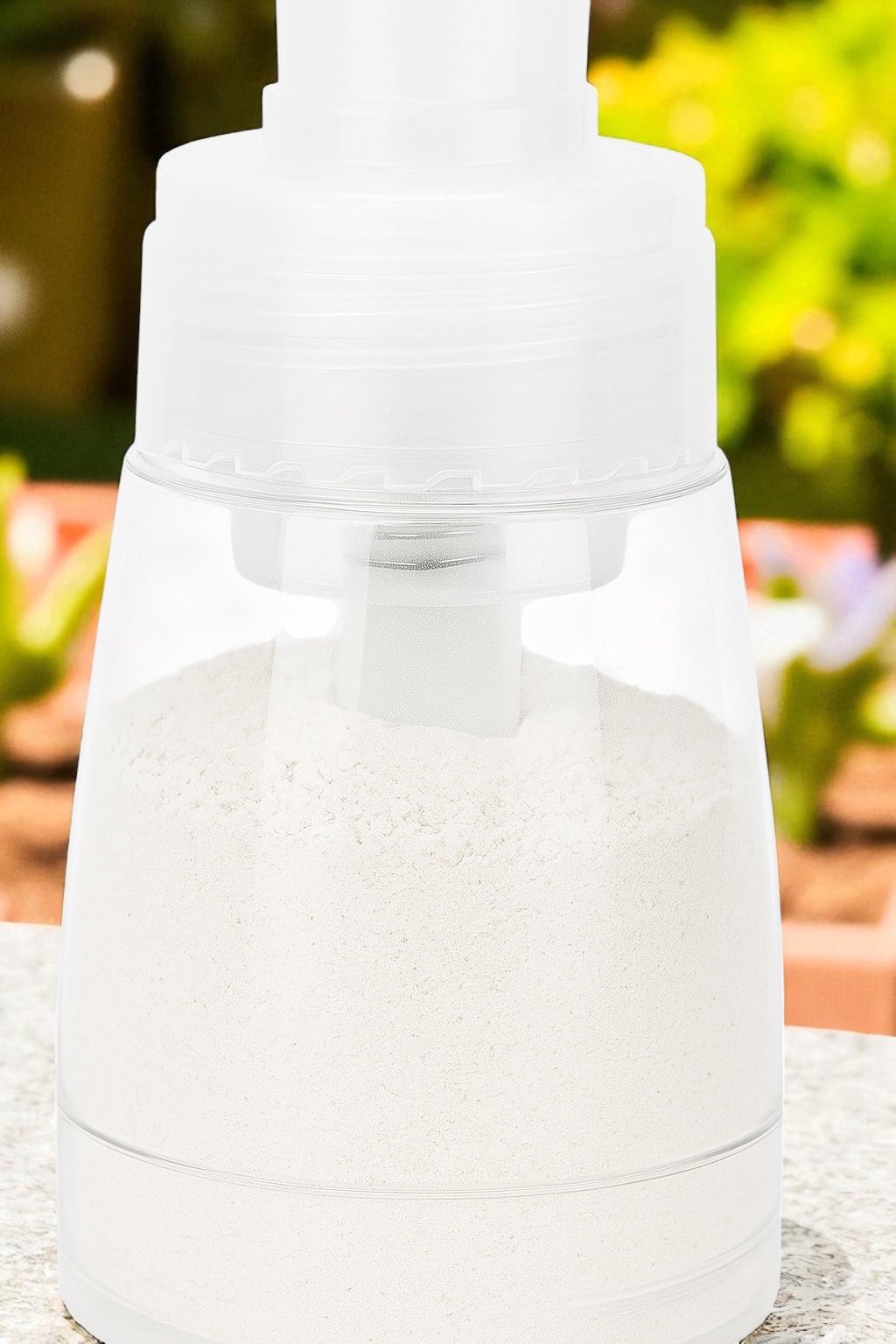
Aerosol-free dry shampoo is a powder-based formulation designed to absorb sebum and sweat from the scalp and hair without the need for pressurised propellants. Instead of being sprayed in a fine mist, it is typically dispensed through:
- Pump bottles with mesh sieves (allowing for a light dusting of powder)
- Foamer or powder pump bottles (designed to disperse a measured amount of powder when pumped)
- Shaker-style containers (similar to baby powder packaging)
This method eliminates the need for liquefied gases such as butane, propane, or isobutane, which are common in traditional aerosols.
The Science Behind Aerosol-Free Dry Shampoo
1. Absorption of Sebum
Sebum (the natural oil secreted by sebaceous glands) is primarily composed of triglycerides, wax esters, and squalene. Over time, sebum accumulation can cause hair to look greasy and flat. The active ingredients in dry shampoo work by adsorbing (binding to the surface of) or absorbing (drawing into the material) these oils.
Common oil-absorbing ingredients in aerosol-free dry shampoos include:
- Starches (such as rice, corn, or tapioca starch) – absorb excess oil and moisture
- Clays (such as kaolin or bentonite) – highly absorbent and provide a matte finish
- Silica or silica silylate – provides a soft texture while absorbing sebum
- Arrowroot powder or oat flour – natural, gentle alternatives for sensitive scalps
When applied to the scalp, these powders adhere to the oils, lifting them away from the hair shaft and making hair appear cleaner and fuller.
2. Physical Application and Distribution
Unlike aerosols that create an ultra-fine mist, aerosol-free dry shampoos rely on mechanical application. The particle size and the delivery system play a critical role in performance:
- Particle Size: A fine, lightweight powder distributes evenly and clings to hair without leaving visible residue. Larger particles can clump and leave a chalky appearance, especially on dark hair.
- Electrostatic Interaction: Hair carries a natural negative charge, while some dry shampoo powders are modified to enhance adhesion, ensuring they stay on the hair shaft until brushed out.
The user typically applies the powder directly to the roots, massages it into the scalp, and then brushes it through, distributing the product evenly while removing excess powder and oils.
3. Scalp and Hair Health Considerations
Because aerosol-free dry shampoos are non-pressurised and water-free, they can be formulated with additional scalp-care ingredients:
- Botanical extracts such as chamomile, calendula, or green tea can help soothe irritation.
- Zinc PCA or niacinamide can assist in controlling sebum production over time.
- Prebiotics can be incorporated to help maintain a healthy scalp microbiome.
Unlike many aerosols, which may contain alcohol or propellants that can dry out the scalp, aerosol-free versions can be gentler and more nourishing.
Benefits of Aerosol-Free Dry Shampoo
1. Environmentally Friendly
- No Propellants – Traditional aerosols use hydrocarbon propellants, which contribute to air pollution and can have a negative environmental impact.
- Lower Carbon Footprint – Pump and shaker packaging generally require less energy to manufacture and are easier to recycle than pressurised cans.
2. Safer for Consumers
- Reduced Respiratory Risks – Aerosolised particles can be inhaled, which is particularly concerning for those with asthma or respiratory sensitivities. Powder pump bottles deliver product in a more targeted way, reducing airborne dust.
- No Flammable Ingredients – Aerosol dry shampoos often contain butane or propane, which are highly flammable. Aerosol-free alternatives are much safer for home use and travel.
3. Travel-Friendly
- Aerosol-free dry shampoos are not restricted by airline regulations for pressurised containers, making them ideal for travellers.
4. Better for Scalp and Hair Health
- Fewer Irritants – Without alcohols and propellants, aerosol-free dry shampoos are less likely to cause dryness or irritation.
- Customisable Formulations – They can be enriched with soothing and scalp-balancing ingredients.
5. Precision Application
- Aerosol sprays disperse product widely, often wasting powder or leaving build-up in unintended areas.
- Pump or shaker bottles allow for targeted application directly to oily roots, reducing product waste and residue.
6. Longer Product Shelf Life
- Aerosol cans can depressurise over time, reducing performance. Aerosol-free dry shampoos have fewer mechanical components that can fail, extending usability if stored correctly.
Conclusion
Aerosol-free dry shampoo is not just an eco-conscious trend; it is a scientifically sound alternative that offers improved scalp health, targeted application, and reduced environmental impact. By using absorbent powders like starches, clays, and silica, these formulations effectively absorb sebum while offering a safer and more customisable approach to hair care.
Consumers are becoming more aware of what goes into their personal care products, and aerosol-free dry shampoo provides a cleaner, safer, and more sustainable option without compromising performance. For formulators, it opens opportunities to innovate with natural ingredients, scalp care actives, and environmentally responsible packaging.