
Occupational Therapy for Independence
At the Autism Therapy & Child Counselling Institute, one of the most impactful services offered at the Autism Center for Kids locations across Ontario is occupational therapy. This therapy focuses on helping children with autism develop the skills they need to live more independently, manage daily routines, and participate fully in school and community life.
Occupational therapy begins with a detailed assessment of each child’s strengths and challenges. Many children with autism experience difficulties with fine motor skills, sensory processing, or self‑care tasks. Therapists design individualized programs that target these areas, ensuring that children can gradually build confidence and independence.
Daily living skills are a central focus. Children are taught practical tasks such as dressing, eating, brushing teeth, and organizing school materials. These skills may seem simple, but they are essential for fostering independence and reducing reliance on caregivers. By mastering these routines, children gain a sense of accomplishment and self‑worth.
Sensory integration is another key component. Many children with autism struggle with sensory sensitivities, which can make everyday environments overwhelming. Occupational therapists use specialized techniques to help children regulate their responses to sensory input, whether it’s noise, textures, or movement. This support allows children to feel more comfortable and confident in different settings.
Fine motor development is also emphasized. Activities such as drawing, writing, cutting, or building with blocks help children strengthen hand‑eye coordination and dexterity. These skills are critical for academic success and creative expression, enabling children to participate more fully in classroom activities.
Parents play an active role in occupational therapy. Therapists provide guidance on how families can reinforce skills at home, turning everyday routines into opportunities for practice. This collaboration ensures that progress made in therapy sessions is consistently supported in the child’s daily life.
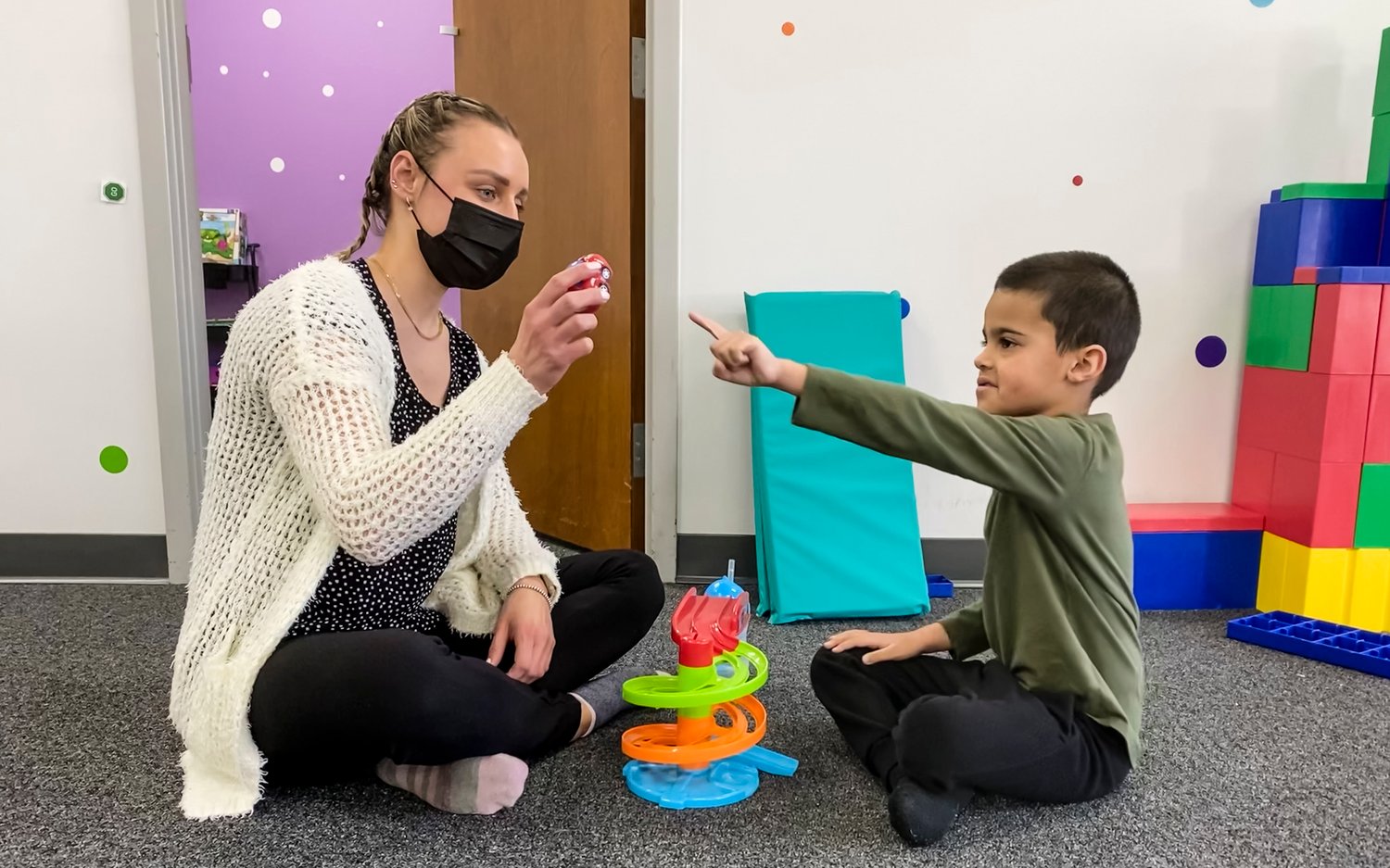
The Ontario centers are designed to be welcoming and adaptable, with therapy spaces equipped to meet diverse needs. Whether a child requires quiet areas for sensory regulation or interactive play zones for motor development, the environment is tailored to maximize comfort and effectiveness.
Occupational therapy is not just about teaching tasks — it is about empowering children to live with greater independence and confidence. Families often describe the joy of seeing their child accomplish milestones such as dressing themselves, participating in group activities, or managing transitions more smoothly.
Ultimately, occupational therapy at the Autism Center for Kids locations provides children with the tools to thrive in everyday life. By focusing on independence, resilience, and skill development, the Autism Therapy & Child Counselling Institute ensures that children with autism are prepared to face challenges and celebrate achievements with pride.