
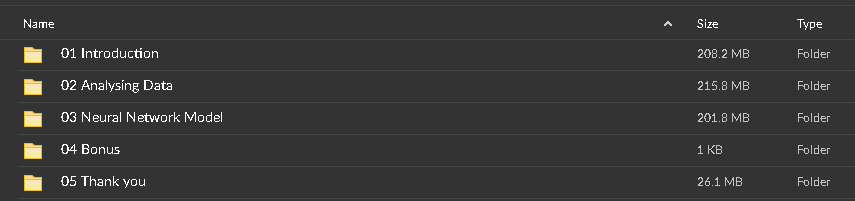
Machine Learning Project Course. Modelling Real Estate
Introduction to Machine Learning in Real Estate
The real estate industry is undergoing a significant transformation, thanks to the advent of machine learning. This powerful technology is introducing more precise and efficient methods for predicting market trends, property values, and consumer behavior—elements critical to the success in real estate.
In a world where technological advancements are reshaping industries at an unprecedented pace, it is crucial for real estate professionals to stay ahead of the curve. Embracing these innovations not only enhances decision-making but also provides a competitive edge in a rapidly evolving market.
Enter the Machine Learning Project Course, a comprehensive program designed to empower real estate agents, brokers, and analysts with the expertise needed to leverage data effectively. This course delves into the intricacies of machine learning, offering practical insights and hands-on experience in modeling real estate data using cutting-edge techniques.
Key Benefits of Machine Learning in Real Estate
Improved Accuracy in Property Valuation
Enhanced Market Trend Analysis
Optimized Investment Strategies
Whether you're looking to predict property prices or explore new investment opportunities, this course provides a solid foundation in the application of machine learning within the real estate sector, paving the way for informed and strategic decisions.
Understanding Machine Learning Fundamentals
To effectively harness the power of machine learning in real estate, it's crucial to grasp the foundational concepts and terminology that underpin this transformative technology. Machine learning is a subset of artificial intelligence that enables systems to learn and improve from experience without being explicitly programmed. It involves the use of algorithms to parse data, learn from it, and make informed predictions or decisions.
In this course, participants will explore a range of machine learning algorithms that are pivotal in real estate data modeling:
- Linear Regression: A method used to predict a target variable based on one or more predictor variables. It's particularly useful for estimating property prices.
- Decision Trees: A model that uses a tree-like structure of decisions and their possible consequences. This algorithm helps in understanding the factors influencing real estate valuations.
- Neural Networks: Inspired by the human brain, these are designed to recognize complex patterns and relationships in data. Neural networks are ideal for capturing intricate real estate market dynamics.
Beyond algorithms, the importance of data preprocessing cannot be overstated. Preparing the data is a critical step in the machine learning pipeline, ensuring that the models perform optimally:
- Handling Missing Values: Techniques such as imputation or removal ensure data integrity.
- Feature Engineering: The process of selecting, modifying, and creating new features to improve model accuracy.
To excel in data preparation, participants will need to develop several essential skills:
- Data Cleaning and Transformation
- Feature Selection and Extraction
- Understanding Data Distributions
- Programming Proficiency in Python or R
By mastering these fundamental concepts and skills, participants will be well-equipped to tackle the complexities of real estate data and derive actionable insights through machine learning.
Data Visualization Techniques
In the realm of real estate, data visualization is a powerful tool that transforms complex datasets into intuitive graphical representations. This process aids in quicker and more informed decision-making by allowing real estate professionals to easily identify patterns, trends, and anomalies.
Among the most popular tools for visualizing real estate data are Tableau and Power BI. These platforms offer robust capabilities to create visually appealing and interactive dashboards. They empower users to dive deep into the data, enabling them to explore and communicate insights effectively.
Creating interactive dashboards is a critical skill covered in this course. Imagine a dashboard that enables users to filter property listings by location, size, price range, and amenities, all with a few clicks. Such dashboards not only make the data more accessible but also enhance the decision-making process by providing a comprehensive view of the market dynamics.
Here are some key benefits of using data visualization in real estate:
- **Enhanced Clarity:** Simplifies complex data sets into easy-to-understand visuals.
- **Improved Communication:** Facilitates better communication of insights to clients and stakeholders.
- **Data-Driven Decisions:** Supports evidence-based decision-making by highlighting critical data points.
A study by Forrester Research found that businesses using data visualization tools see a 28% increase in their ability to identify actionable insights. This statistic underscores the crucial role of visualization in unlocking the full potential of real estate data.
By mastering data visualization techniques, participants will be equipped to turn raw data into compelling narratives, enhancing their ability to predict market trends and make strategic decisions.
Hands-On Project: Modeling Real Estate Data
The core of our course is an engaging hands-on project that immerses participants in the practical application of machine learning techniques on real estate data. This project is designed to simulate real-world scenarios where data-driven insights are crucial for making strategic decisions.
The dataset provided for this project is comprehensive, incorporating a variety of features critical to real estate valuation, such as:
- Location: Geographical data including neighborhood and proximity to amenities.
- Size: Total square footage, number of bedrooms, and bathrooms.
- Amenities: Presence of features like a pool, garage, and garden.
Participants will follow a step-by-step process to apply different machine learning algorithms, starting with data preprocessing. This includes cleaning the dataset, handling missing values, and performing feature engineering to enhance model accuracy. Here's a glimpse of the key steps involved:
- Data Preprocessing: Prepare and clean the dataset for analysis.
- Algorithm Selection: Apply algorithms such as linear regression, decision trees, and neural networks.
- Model Training: Train the models using the prepared dataset.
- Model Evaluation: Assess the model's performance using various metrics.
Evaluating the performance of machine learning models is crucial. Here are some methods participants will use to ensure their models are both accurate and reliable:
- Root Mean Square Error (RMSE): Measures the difference between predicted and actual values.
- R-squared: Indicates the proportion of variance explained by the model.
- Cross-validation: Validates the model's performance across different subsets of the data.
This project not only enhances technical skills but also boosts confidence in using machine learning to derive actionable insights in the real estate market. Participants will emerge with a profound understanding of how to model and predict property prices, a skill that is invaluable in today's data-driven landscape.
Interpreting and Communicating Model Results
In the realm of real estate, the ability to interpret and communicate model results is as crucial as building the models themselves. For real estate professionals, understanding these results can transform complex data into actionable insights that drive informed decisions.
One of the primary challenges is simplifying complex predictions so that clients can easily grasp the implications. Here are some effective techniques:
- Visualization: Use charts, graphs, and interactive dashboards to present data visually. Tools like Tableau and Power BI can be instrumental in this process.
- Analogies: Relate model predictions to familiar concepts. For example, comparing the potential return on investment to a savings account’s interest rate helps clients understand the financial benefits.
- Storytelling: Craft a narrative around the data. Explain how the model's predictions align with market trends or previous case studies.
Building trust with clients through clear communication is paramount. Here are strategies to achieve this:
- Transparency: Provide a comprehensive explanation of the model’s assumptions and limitations. Transparency fosters trust and helps manage client expectations.
- Accuracy & Validation: Regularly validate model predictions with real-world outcomes to demonstrate their reliability.
- Consistent Updates: Keep clients informed about any model updates or changes in market conditions that may affect predictions.
By mastering these techniques, real estate professionals can bridge the gap between complex machine learning models and client understanding, ultimately enhancing decision-making and fostering long-term relationships.
Exploring Additional Real Estate Projects
Beyond the primary focus on property price modeling, the Machine Learning Project Course offers participants a chance to delve into a variety of other intriguing real estate projects. These projects are designed to broaden their analytical skills and provide hands-on experience in tackling diverse real estate challenges.
Here’s a snapshot of the potential projects that participants can explore:
- Predicting Rental Yields: Dive into datasets to forecast rental returns, a crucial metric for investors aiming to maximize their rental income. By analyzing factors such as location, property type, and market trends, participants can develop models that accurately predict rental yields.
- Identifying Investment Opportunities: Leverage machine learning to pinpoint lucrative investments. Participants will analyze historical data to spot patterns and trends that signal promising investment avenues, enhancing their strategic decision-making abilities.
The importance of practical experience in enhancing learning cannot be overstated. Engaging in these real-world projects not only solidifies theoretical knowledge but also equips participants with the skills necessary to handle complex real estate datasets effectively.
Project
Skills Developed
Potential Outcomes
Predicting Rental Yields
Data Analysis, Regression Techniques
Accurate Forecasts, Investment Strategy Improvement
Identifying Investment Opportunities
Pattern Recognition, Market Analysis
Enhanced Decision-Making, Increased ROI
By immersing themselves in these additional projects, participants will not only expand their knowledge but also gain the confidence to apply machine learning in various real estate contexts, ensuring they stay ahead in the ever-evolving market.
Conclusion and Future Implications
In conclusion, the Machine Learning Project Course offers participants a robust foundation in both theoretical and practical aspects of machine learning tailored for the real estate industry. By the end of the course, participants will have acquired a diverse set of skills, including:
- Data Preprocessing: Techniques to clean and prepare data for accurate modeling.
- Algorithm Application: Understanding of key algorithms like linear regression, decision trees, and neural networks.
- Data Visualization: Proficiency in tools such as Tableau and Power BI to create insightful dashboards.
- Model Interpretation: Ability to communicate complex results in a straightforward manner.
The future of machine learning in real estate is incredibly promising. With advancements in AI and machine learning technologies, the industry is poised for a transformation that will enable more precise predictions and smarter decision-making processes. As these technologies evolve, they will open new avenues for innovation and efficiency across the real estate sector.
We encourage participants to continue exploring and applying their skills beyond the course. Machine learning is a dynamic and rapidly advancing field, and staying curious and proactive will ensure that you remain at the forefront of this technological revolution. Whether it's through further projects, attending workshops, or collaborating with peers, the opportunities for growth and learning are limitless.
Embrace this journey with an open mind and a commitment to leveraging data-driven insights for success in real estate.