


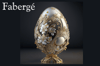


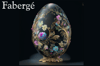
Fabergé EGGS
The House of Fabergé was a jewelry firm founded in 1842 in Saint Petersburg, Russia, by Gustav Faberge, using the accented name Fabergé. Gustav's sons – Peter Carl and Agathon – and grandsons followed him in running the business until it was... The firm was famous for designing elaborate jewel-encrusted Fabergé eggs for the Russian Tsars, and for a range of other work of high quality and intricate detail. In 1924, Peter Carl's sons Alexander and Eugène Fabergé opened a firm called Fabergé & Cie in Paris, France, making similar jewelry items and adding the name of the city to their firm's stamp, styling it FABERGÉ, PARIS. The House of Fabergé also stocked a full range of jewelry and other ornamental objects. There were enameled gold and silver gilt, as well as wooden photograph frames; gold and silver boxes; desk sets, walking sticks, doorbells, and timepieces. Quality was assured by every article made being approved by Carl Fabergé, or in his absence by his eldest son Eugène, before it was placed into stock. The minutest of faults would result in rejection.
As many as 69 were created, of which 57 survive today. Virtually all were manufactured under the supervision of Peter Carl Fabergé between 1885 and 1917. The most famous are his 52 "Imperial" eggs, 46 of which survive, made for the Russian Tsars Alexander III and Nicholas II as Easter gifts for their wives and mothers.
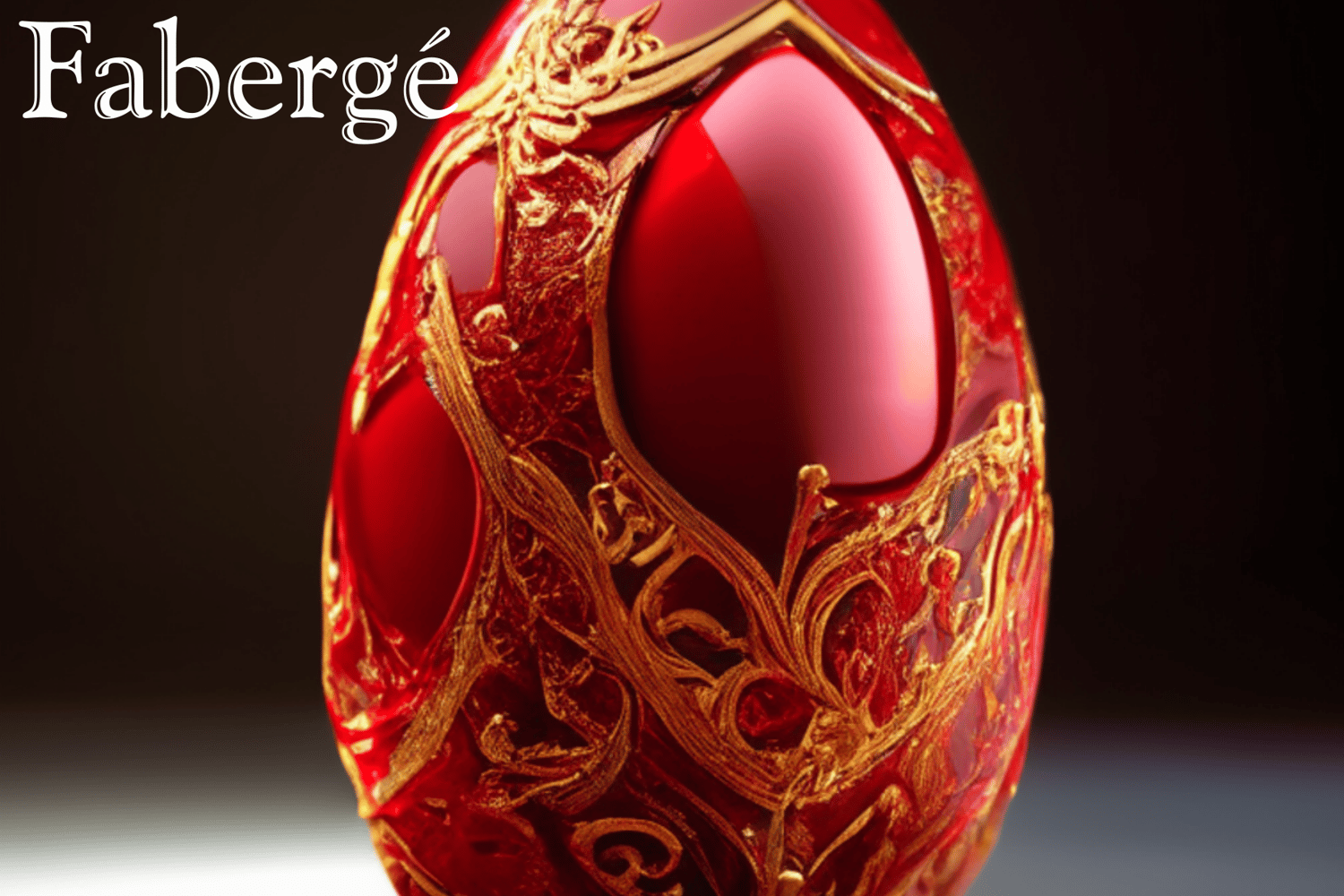
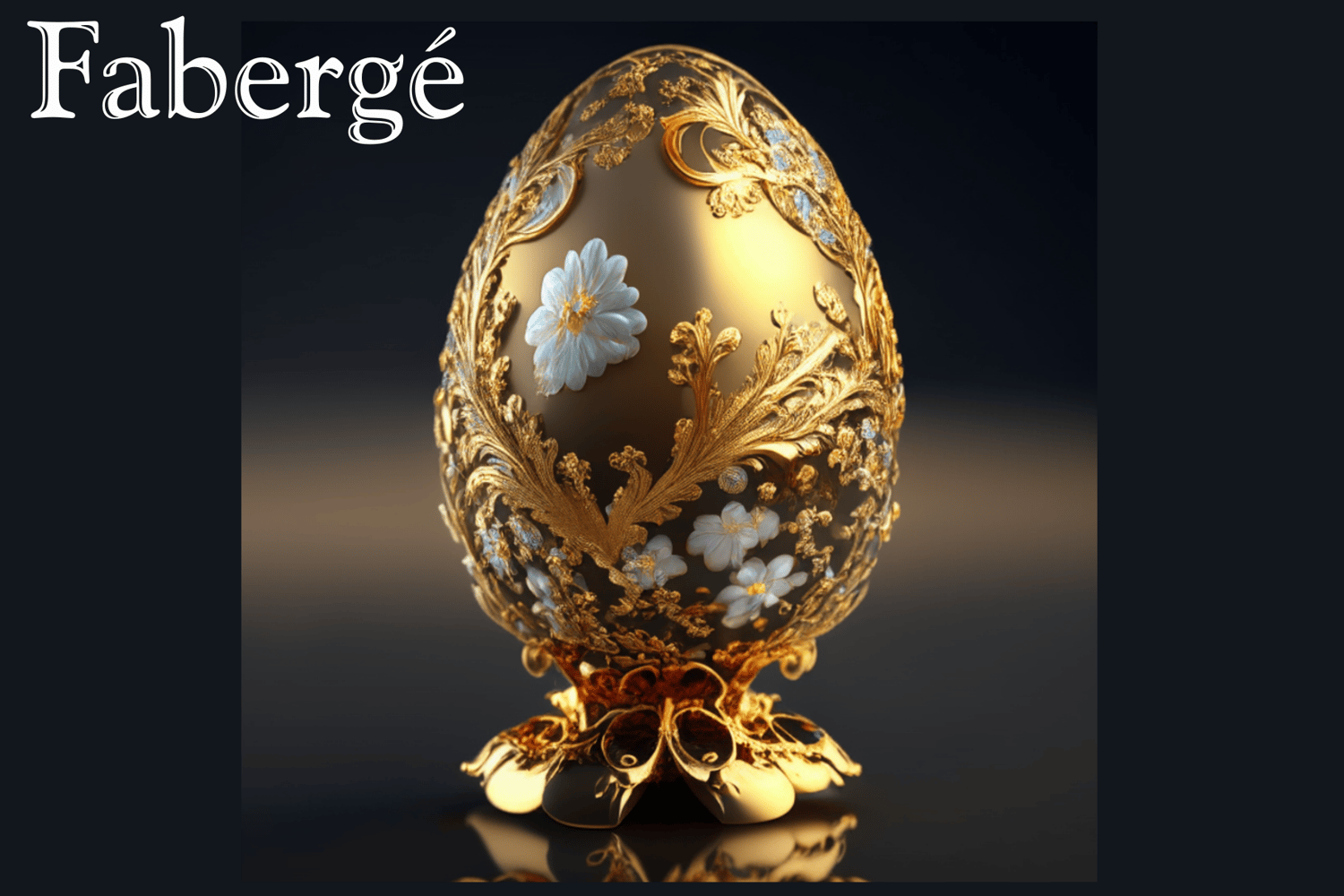
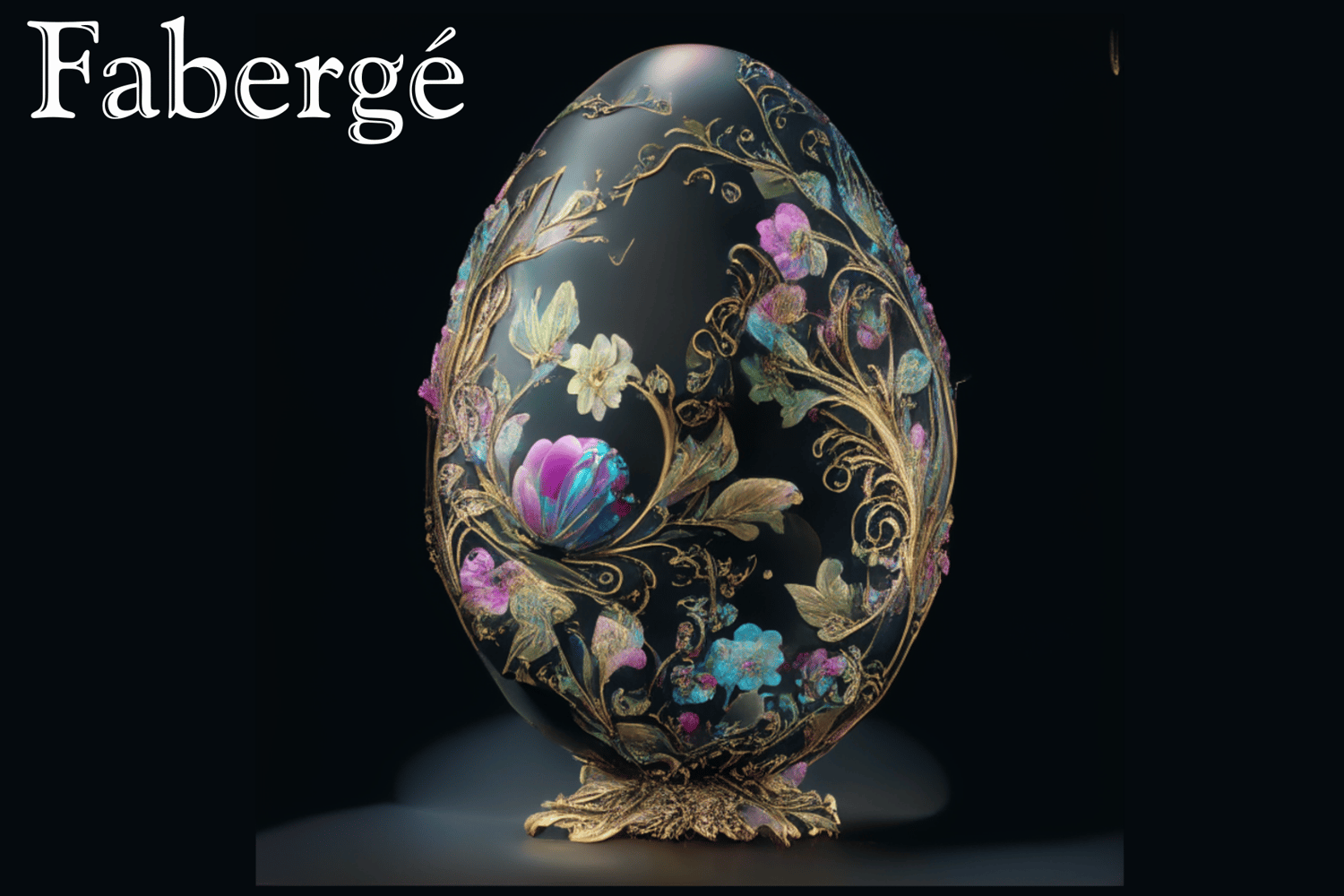
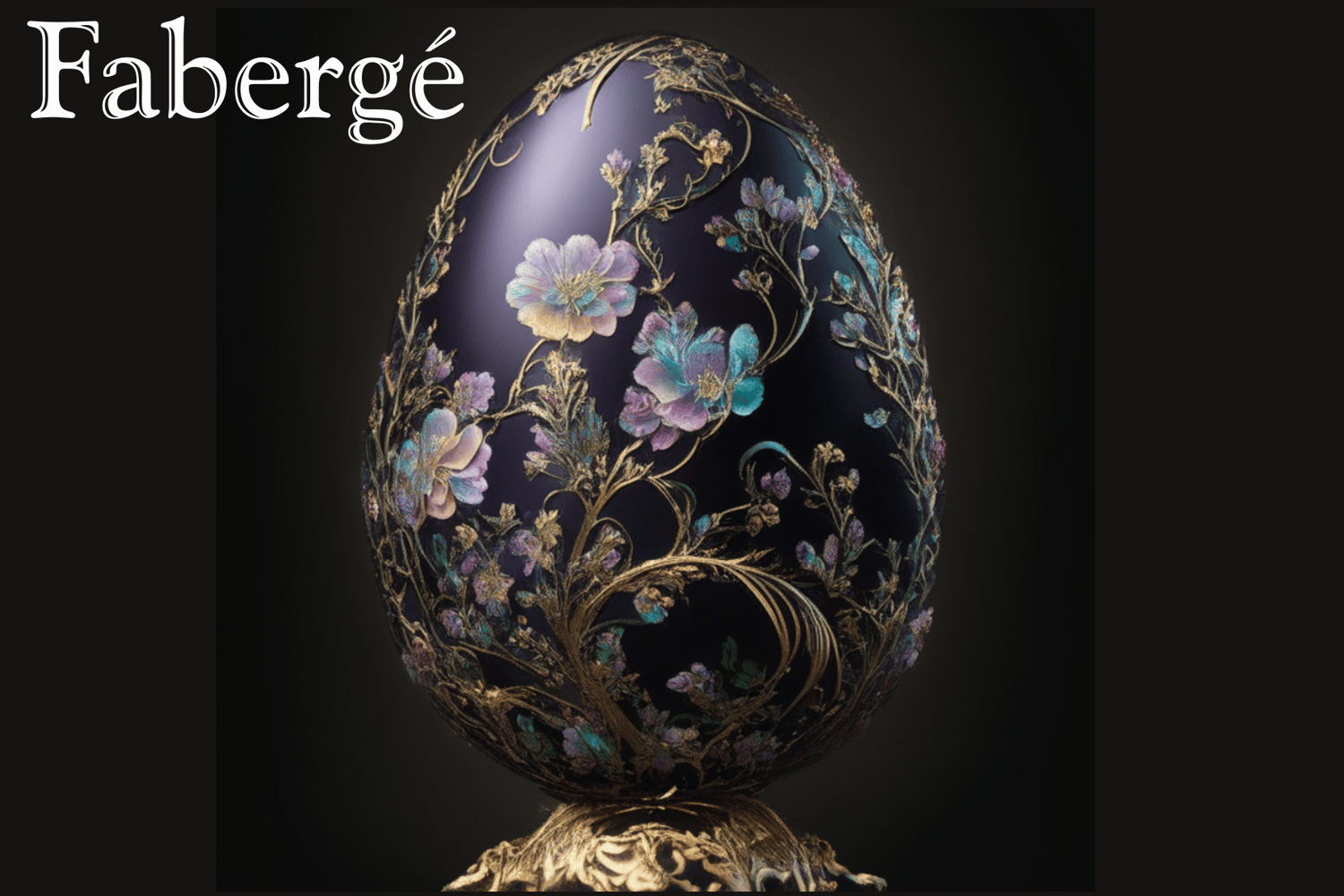
Here you get 17 sttuning illustrations inspired in the Fabergé eggs, to complete your artwork