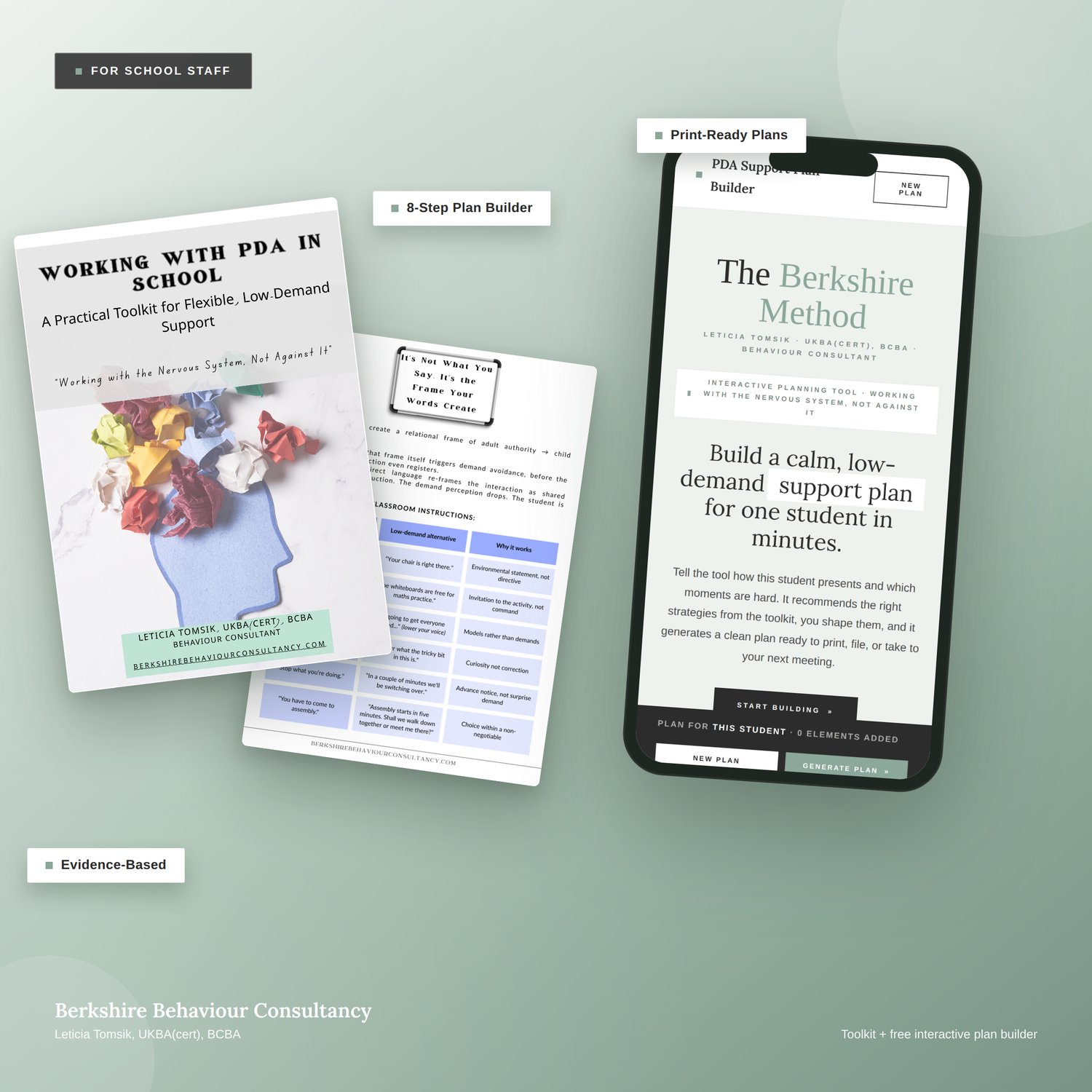
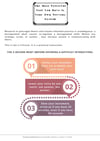

Working with PDA in School: A Practical Toolkit for Flexible, Low-Demand Support + Interactive PDA Support Plan Builder
Evidence-based, low-demand strategies for supporting PDA students — plus an interactive tool that builds a printable support plan for you.
This student isn't being difficult. Their nervous system responds to ordinary classroom requests—sit down, open your book, come to assembly—as genuine threat signals. Pushing through with more demands doesn't reduce the avoidance. It increases the anxiety driving it.
Working with PDA in School is a practical toolkit for staff supporting Pathological Demand Avoidance in the classroom, built around one principle: work with the nervous system, not against it.
What's inside the toolkit
- Why this student isn't "just being difficult" — the research behind PDA as a neurological, anxiety-driven response, and what that looks like in your classroom
- The panic hierarchy — a five-stage ladder (Calm, Alert, Elevated, Activated, Recovery) showing what to look for and how to respond at each stage, before a crisis point is reached
- Not every demand is equal — a framework for sorting demands into Essential, Optional, and Social-Conventional, so you know which to hold firm on and which to release first
- Give choice before the demand, not after the refusal — the Enhanced Choice Model applied to how, where, and when work happens, with ready-to-use phrasing for each
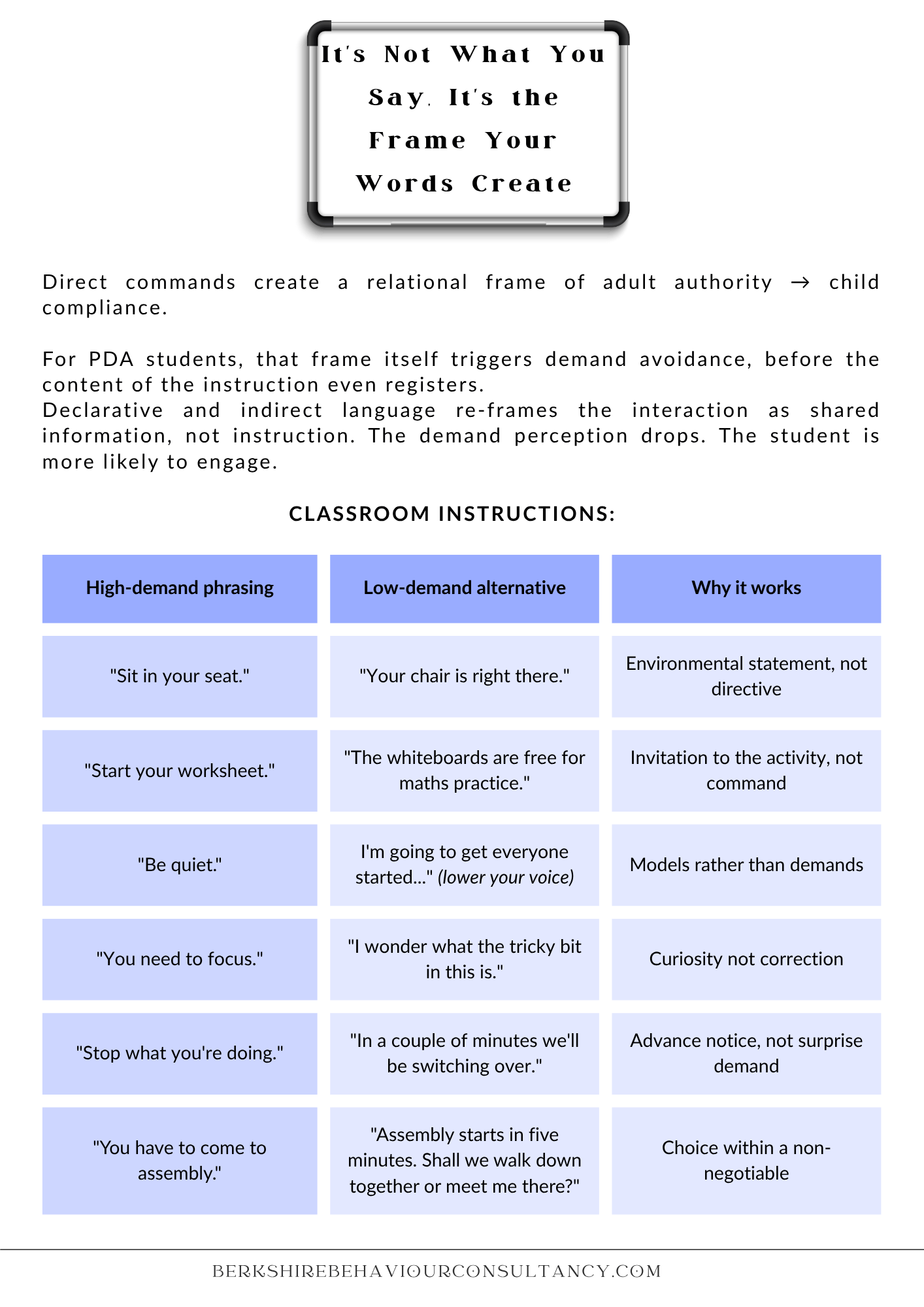
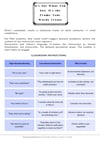
- It's not what you say, it's the frame your words create — 15 high-demand-to-low-demand phrase swaps for classroom instructions and in-the-moment de-escalation, each with the reasoning behind it
- Teaching students to exit before the crisis happens — how to design and reliably honour a safe exit signal, plus a staff do's/don'ts protocol and re-entry approach
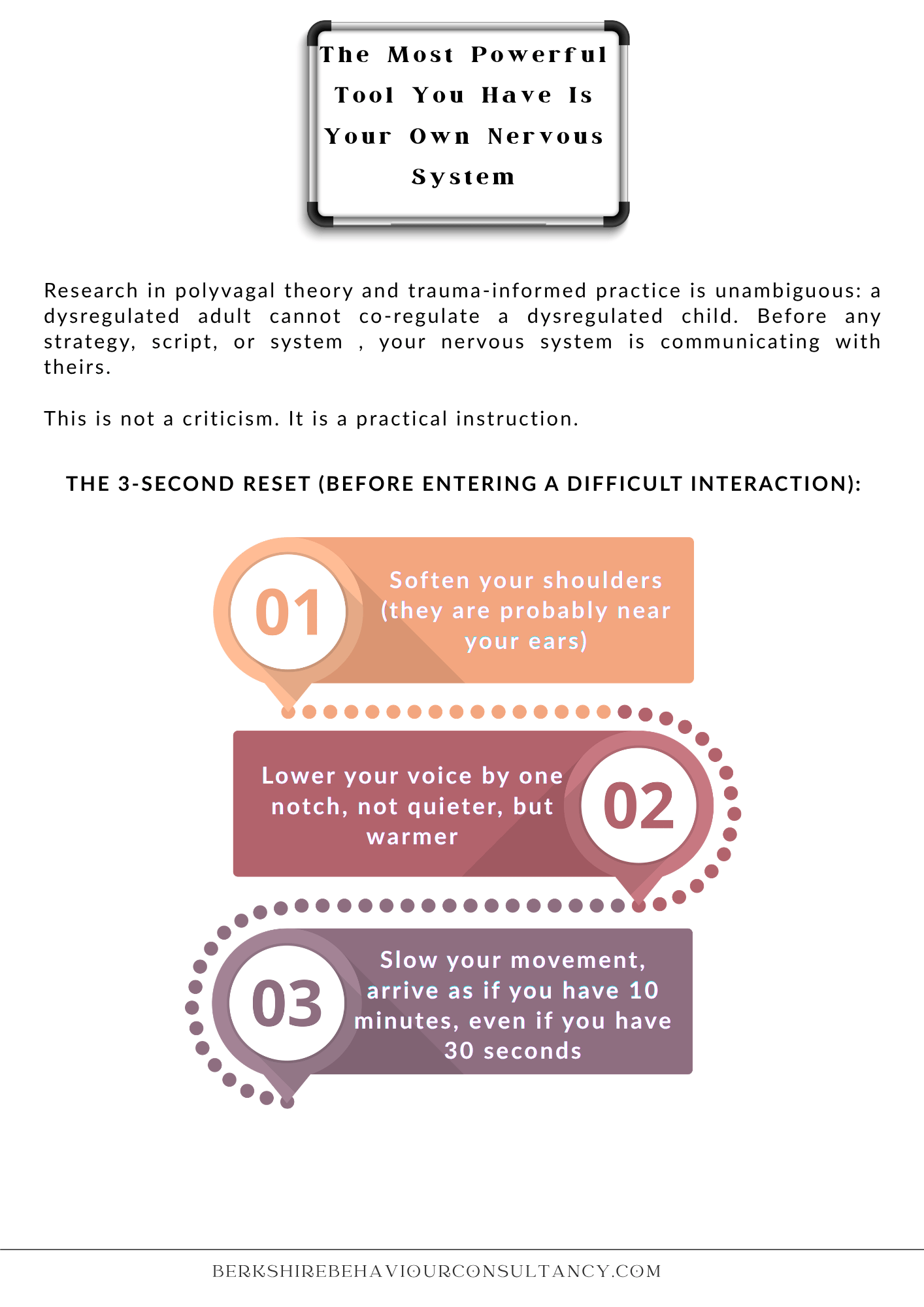
- The most powerful tool you have is your own nervous system — a 3-second regulation reset and a staff phrase bank for the moments that are hard for you too
- DNA-V conversation framework — a values-based, curiosity-led model (Hayes & Ciarrochi) for the moments a full lesson plan won't fit
- Printable safe opt-out cards for students, and a one-page PDA-informed planning template
- Full evidence base and references included throughout
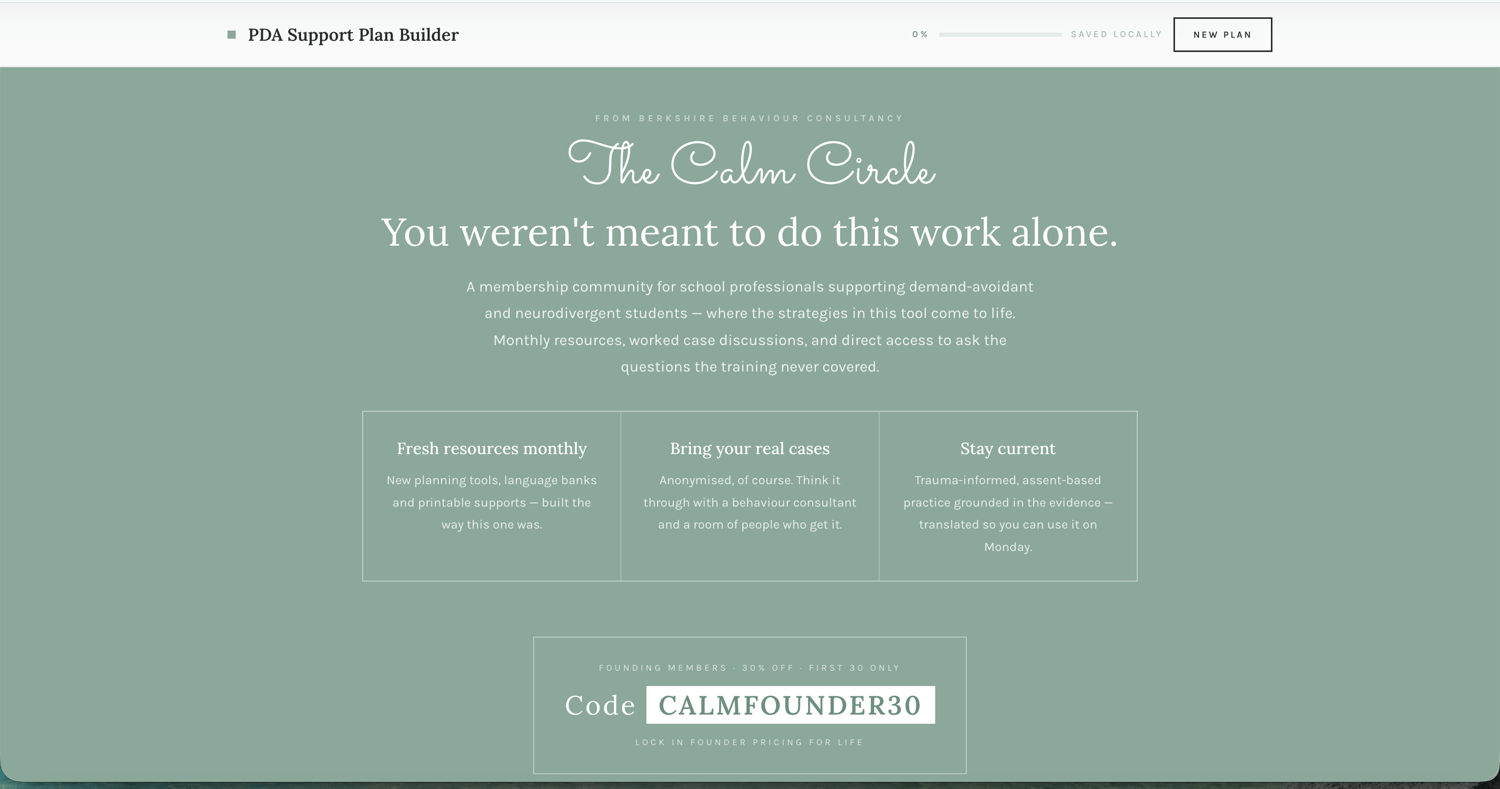
Plus, a free interactive PDA Support Plan Builder
This toolkit comes with a browser-based planning tool — no login, no app store, everything stays on your device:
- Tell it how the student presents and which moments are hard, and it recommends the right strategies from the toolkit in priority order
- Sort demands into Essential, Optional, and Social-Conventional for that specific student
- Build proactive choice language and select the low-demand swaps you'll practise, including space to add your own
- Design a safe exit plan and commitment specific to that student
- Generate a clean, printable one-page plan — ready to file, share, or bring to your next meeting
Who this is for
SENCOs, teaching assistants, pastoral leads, and inclusion teams supporting PDA or demand-avoidant students, whether or not a formal diagnosis is in place. Built for staff who want strategies they can use on Monday, grounded in the evidence behind why they work.
A note on approach
The strategies in this toolkit aren't about removing all structure or giving up on expectations. They're about understanding the mechanism behind demand avoidance and working with it, not against it. When we shift the environment — through choice, low-demand language, and safe exits — we don't lower the bar. We make the bar accessible. Small changes, applied consistently, create meaningful access to education.