
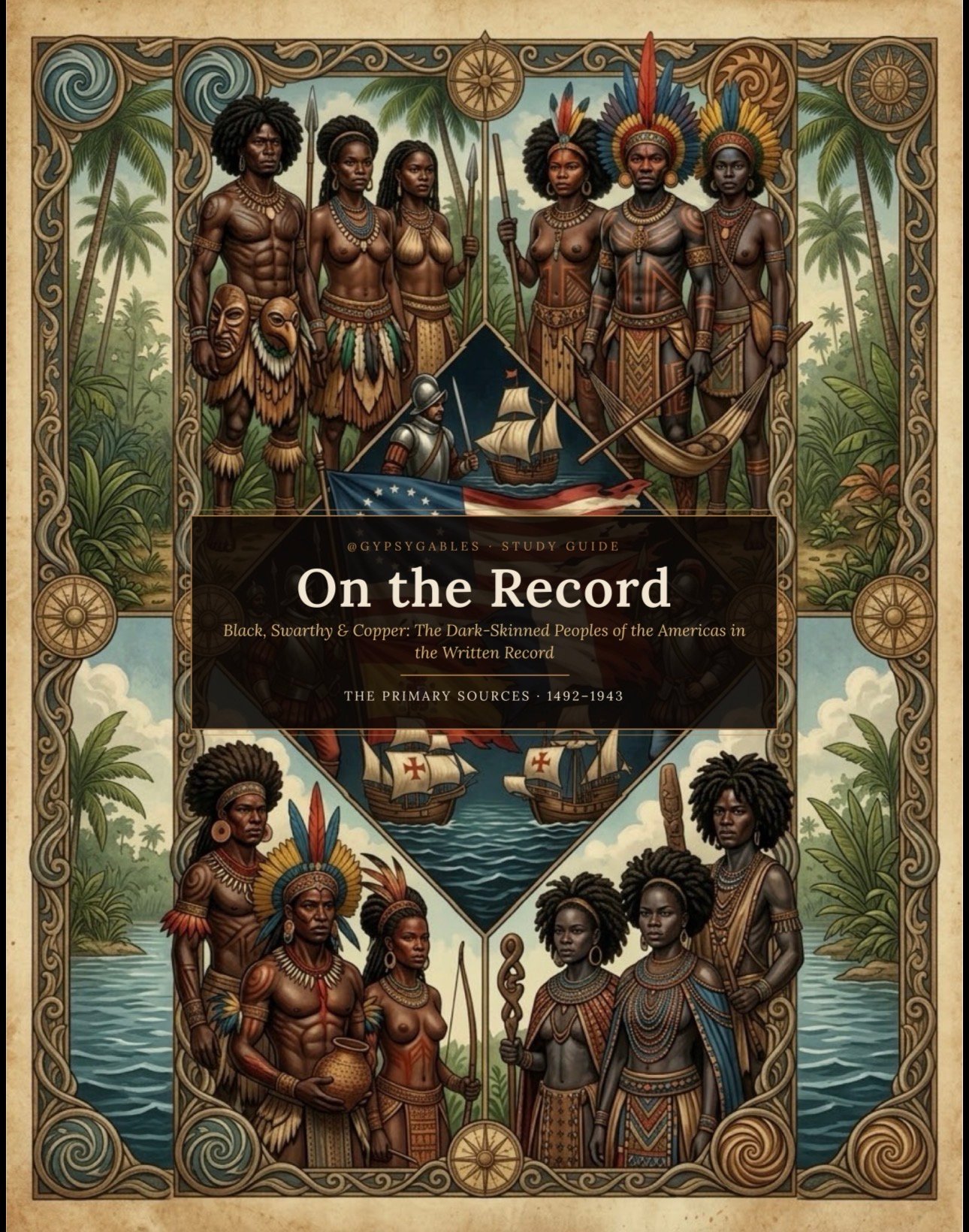
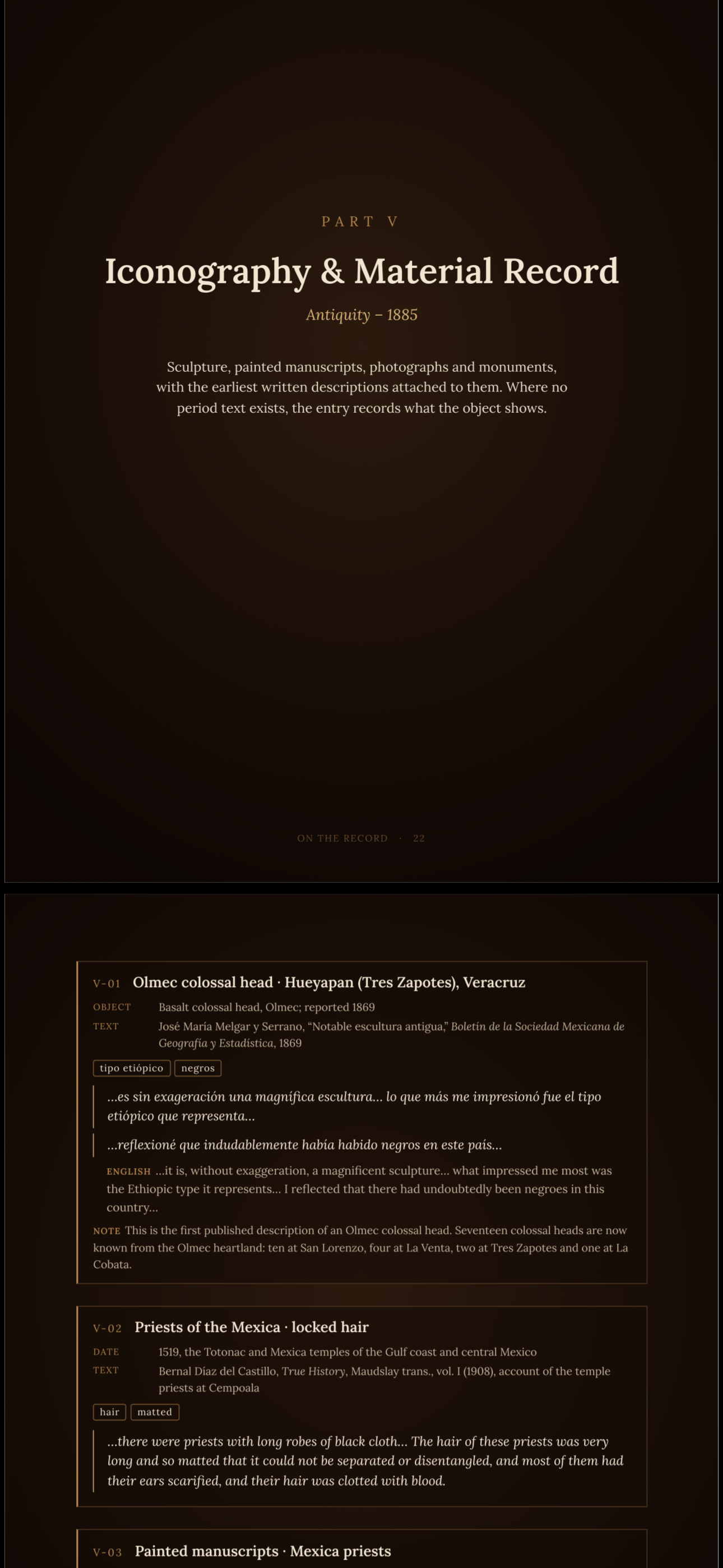

On the Record: Black, Swarthy & Copper
On the Record: Black, Swarthy & Copper
The Dark-Skinned Peoples of the Americas in the Written Record, 1492–1943
Long before the textbooks settled the story, Europeans wrote down what they saw. Explorers, chroniclers, colonists, naturalists and state officials described peoples of the Americas as black, swarthy, brown, copper and loro. They compared them to Ethiopians and Moors, and they recorded people of that color already living on these shores. Later, the record shows officials reclassifying Indigenous families as "negro" and "colored," family by family.
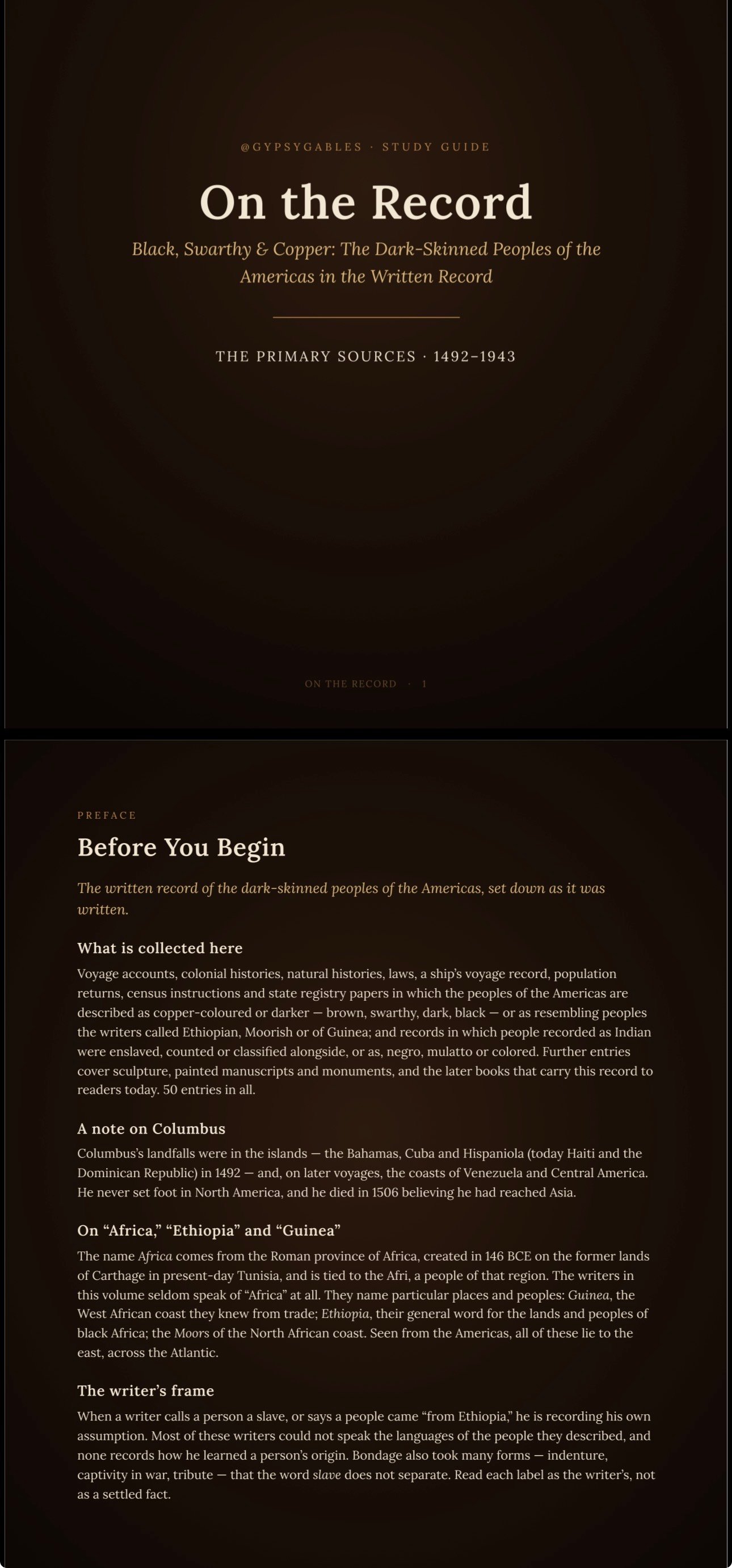
This study guide gathers that record in one place, set down exactly as it was written.
Inside the 48-page guide:
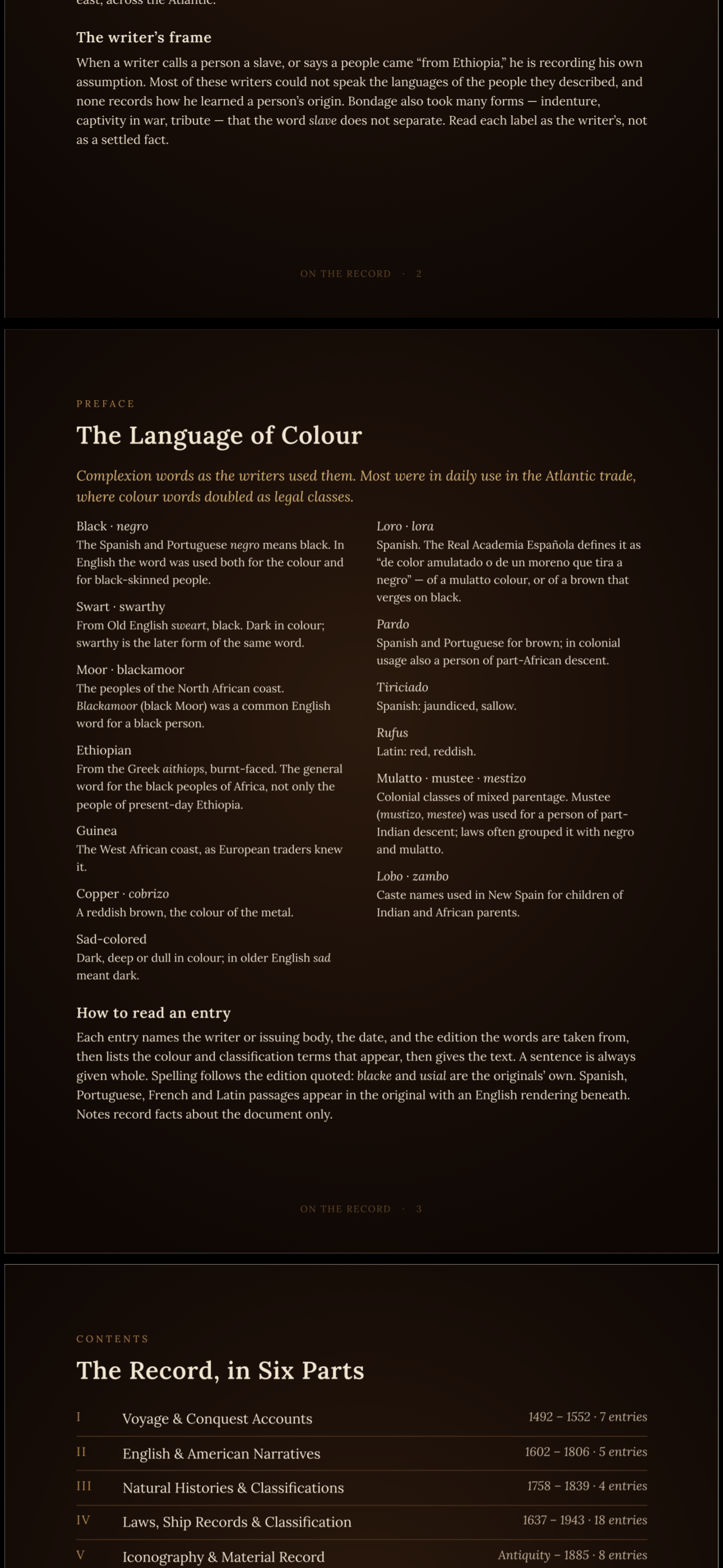
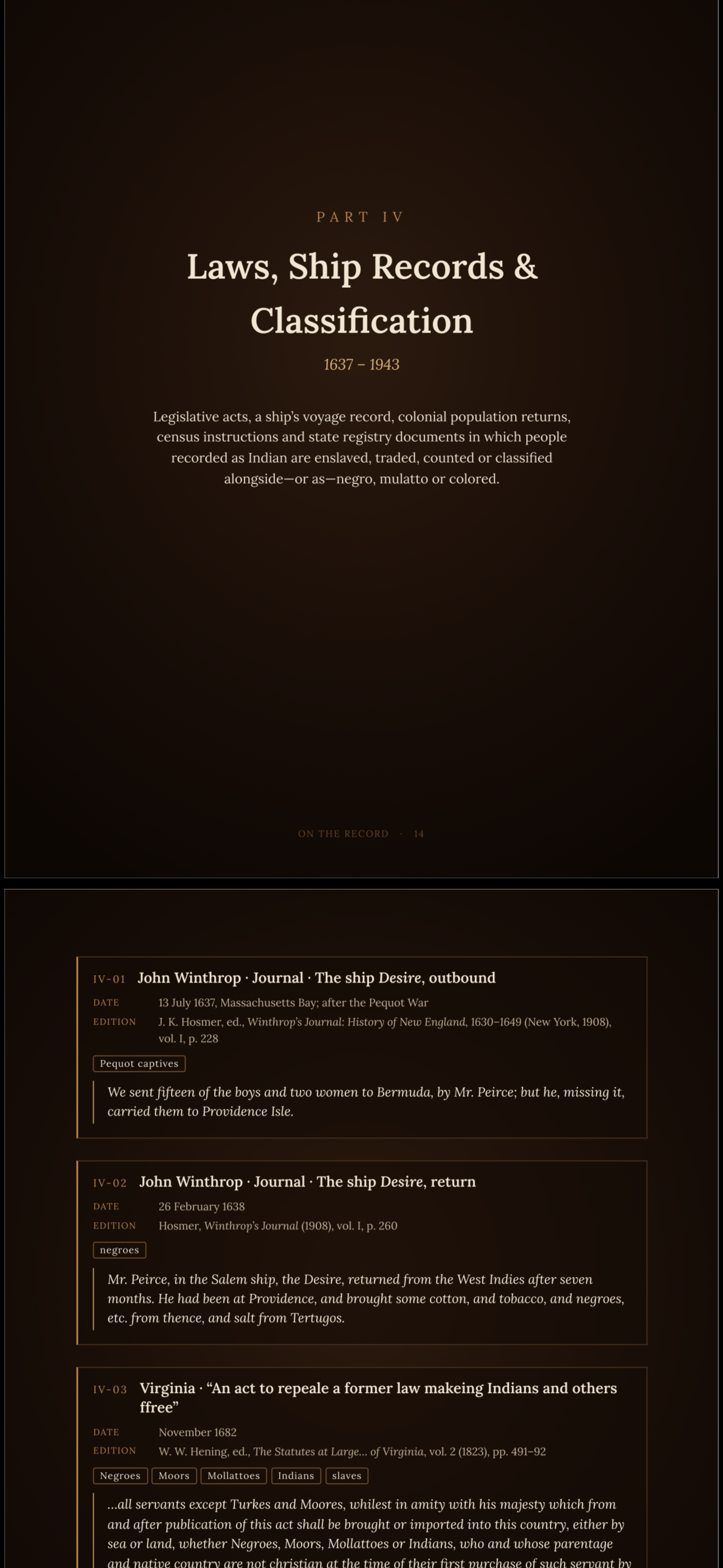
- 63 documented entries. Each one gives the original wording, date and edition, so every line can be checked against its source.
- Voyage and conquest accounts: Columbus, Peter Martyr, Gómara, Verrazzano, Oviedo, Caminha and others.
- English and American narratives: from the New England coast to the California missions.
- Natural histories: how the first classifiers named the color of the Americas.
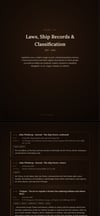
- Named at contact, reclassified later: Virginia's Mattaponi, Pamunkey, Monacan, Rappahannock and Chickahominy, traced from the first English records to the birth certificates, marriage registers and census lines the state later altered. Includes Walter Plecker's own letters and the families who fought back.
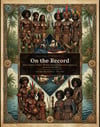
- Iconography: the Olmec colossal heads, the long-haired priests of the Mexica codices, casta paintings and the Sphinx, with photographs.
- Later works: the books that carried this record forward, from Carter G. Woodson to Ivan Van Sertima.
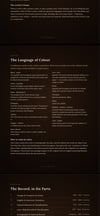
- A glossary of color terms as the original writers used them, plus an index of terms and a full list of editions quoted.
No commentary is layered over the sources. You read what was written, by whom and when, and you draw your own conclusions.
Digital PDF download.
A Study Guide by @GypsyGables
Ancient Wisdom at Gypsy Gables. Take heed, or don't. Either way, you are held.