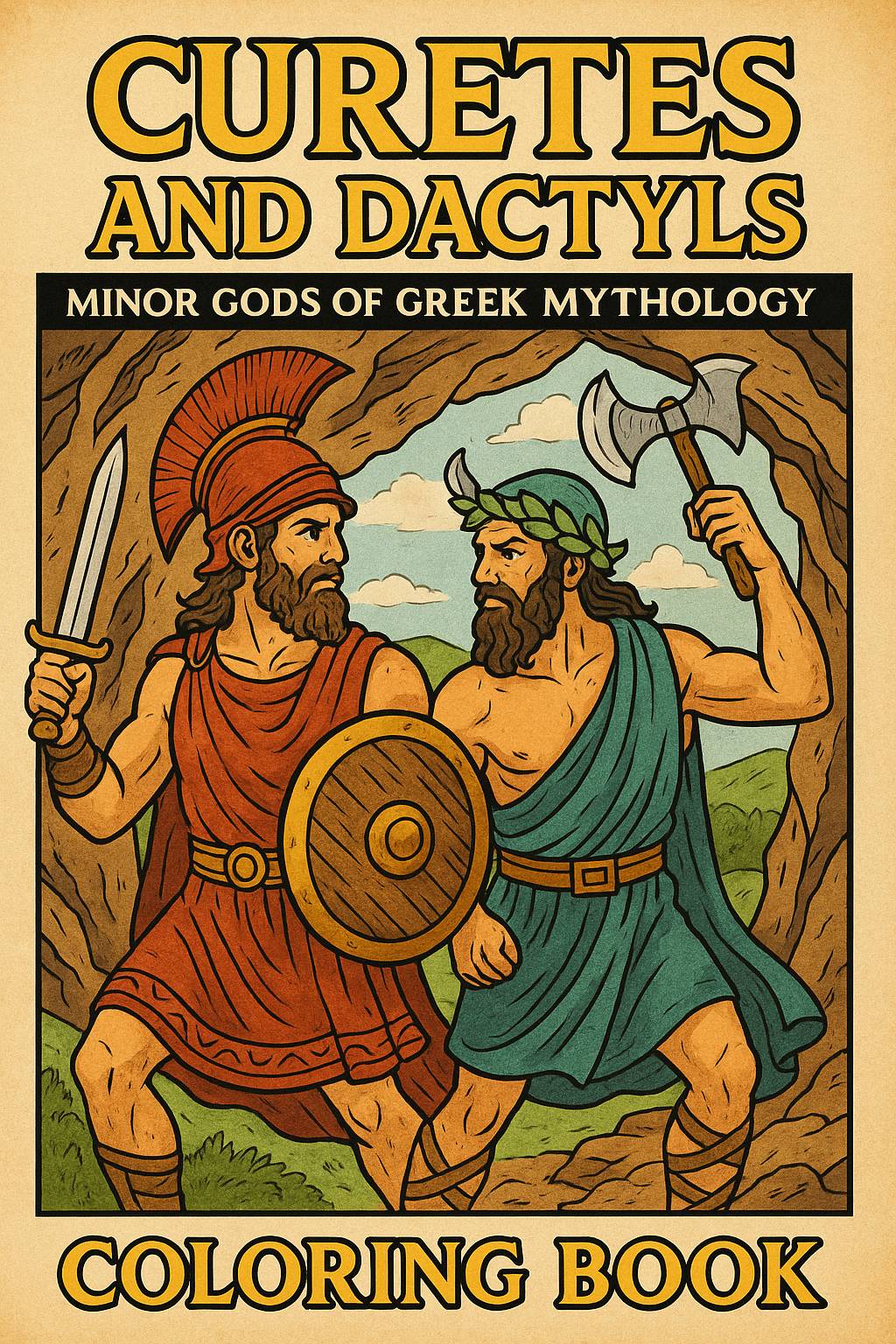
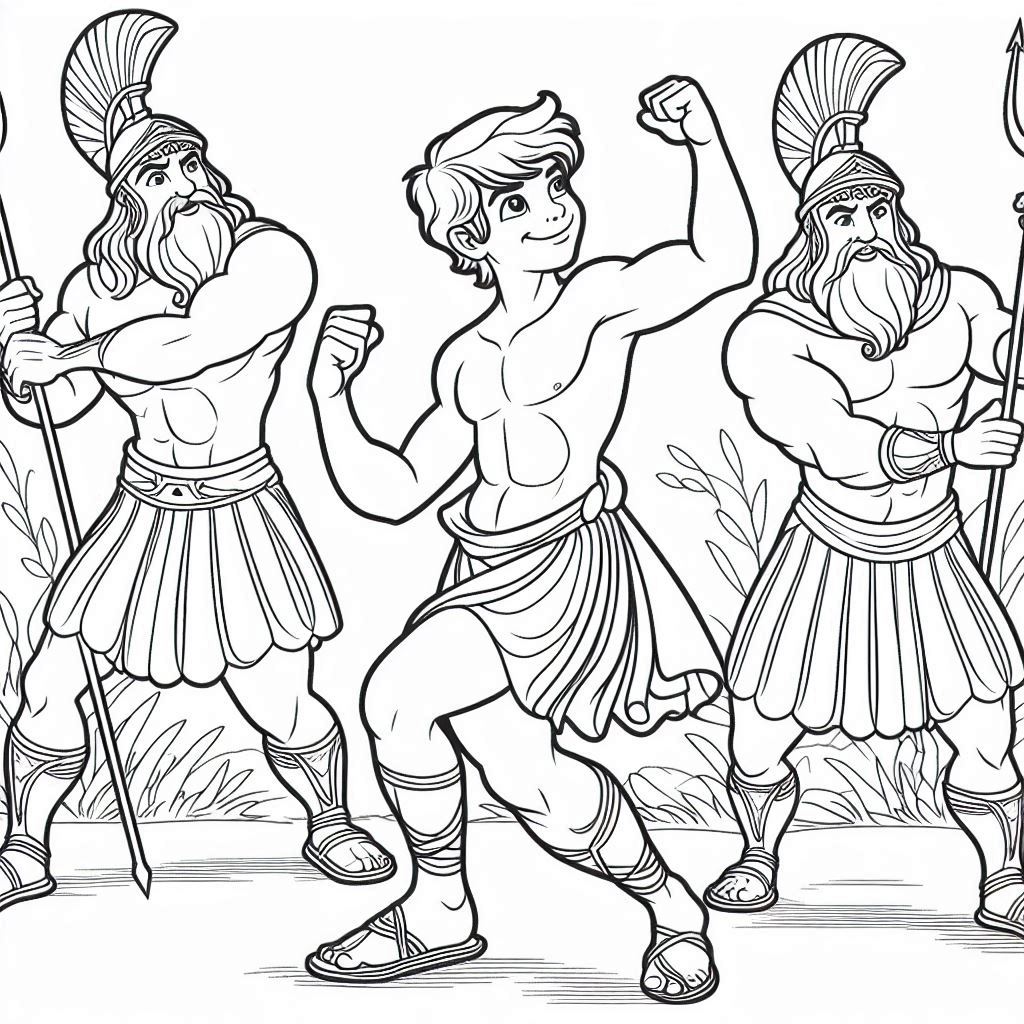
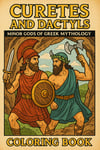
Curetes and Daktyls, at ancient crete, 58 designs, coloring ebook, digital printable product, instantly download
Curetes and Daktyls, at ancient crete, 58 designs, coloring ebook, digital printable product, instantly download.
Curetes and Dactyls: The Arcane Guardians and Magicians of Ancient Greek Mythology
The mythology of Greece is populated by gods, nymphs, heroes, monsters, and primordial forces. Yet hidden within the older strata of myth lie mysterious brotherhoods — half-divine, half-human — associated with ritual, magic, metalworking, ecstatic dance, protection, and the birth of gods. Among these ancient collectives, none are as fascinating or as obscure as the Curetes and the Dactyls.
Often overlapping, sometimes distinguished, these groups represent the pre-Olympian world, when nature, craftsmanship, music, and magic were inseparable. Their legends bridge Greek myth with Minoan, Phrygian, and even Near-Eastern traditions, revealing how ancient people interpreted the sacred arts.
This article explores their origins, roles, rituals, magical powers, and their deep symbolic meaning.
1. Origins and Identity of the Curetes
The Curetes (Κουρῆτες) appear in Greek literature as armed dancers, guardians, and ritual celebrants. They are associated especially with Crete, where they are said to have protected the infant Zeus from his father Kronos.
1.1. Mythic Role in the Birth of Zeus
According to tradition:
- Kronos devoured each of his newborn children to prevent a prophecy of overthrow.
- Rhea hid the newborn Zeus in a cave on Crete: either Dicteon Cave or Idaion Antron.
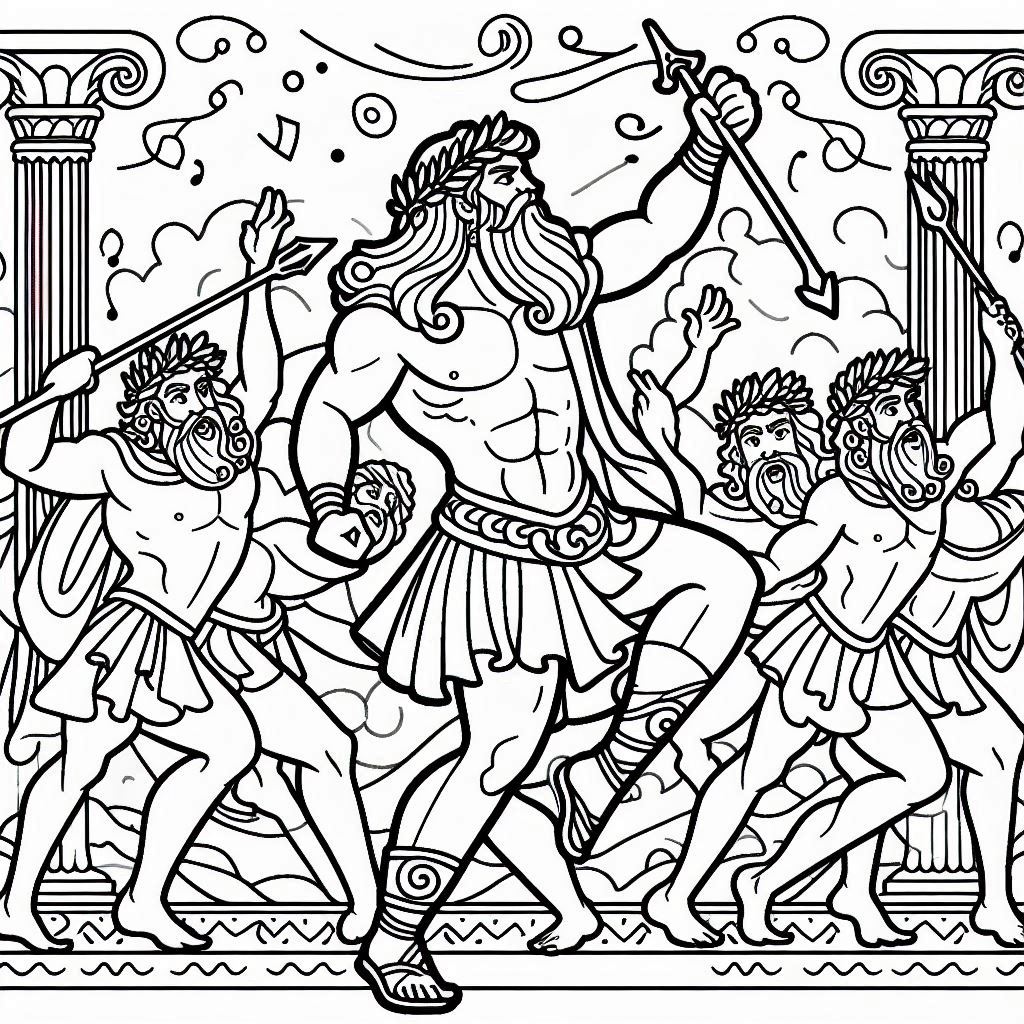
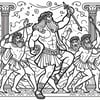
- The Curetes formed a circle around the cave and performed their iconic dance:
- Striking their bronze shields with swords
- Shouting and chanting
- Stomping rhythmically
This noise concealed the infant’s cries.
They thus became the divine protectors, “warrior-priests” who shielded the future king of the gods.
1.2. Possibly Pre-Greek / Minoan Origins
Scholars note that the Curetes resemble:
- Minoan ecstatic dancers
- Bronze-age ritual groups
- Initiatic male fraternities
- Priests of fertility gods
Their rituals echo shamanic societies found throughout the Mediterranean.
1.3. Roles and Associations
The Curetes were linked with:
- Ecstatic dance
- Drumming and rhythmic magic
- Initiations of youth
- Fertility rites
- Protection spells
- Sacred warfare
They may have also served as guardians of sacred caves, a recurring theme in Greek myth.
2. Who Were the Dactyls?
The Dactyls (Δάκτυλοι / “Fingers”) are even more enigmatic. Their name means “fingers”, perhaps referring to:
- Their index-like arrangement on mountain slopes
- Their role as dexterous craftsmen
- Their mystical numbers: sometimes five, like fingers
2.1. Origin Stories
The Dactyls were said to be:
- Born from Gaia (Earth)
- Children of the Idaean mountains
- Closely associated with Cybele (Kybele), the Great Mother
- Linked to metalworking gods like Hephaestus and the Telchines
2.2. Magical Skill and Metallurgy
The Dactyls were credited with:
- Inventing metalworking
- Casting bronze weapons
- Practicing healing magic
- Using charms, incantations, and herbal remedies
- Teaching humans early crafts, arts, and esoteric practices
They are often depicted as sorcerers-smiths — a combination common in Indo-European legends (e.g., Celtic druids-smiths, Norse dwarves).
2.3. The Idaean Dactyls
A famous subgroup is the Idaean Dactyls, associated specifically with Mount Ida in Crete.
Ancient authors mention:
- Heracles Dactyl (not the hero Heracles) — credited with discovering the Olympic Games
- Paeon — healer and herbalist
- Epimedes — seer
- Iasius — magician
They are symbolic of magical brotherhoods that hold arcane knowledge.
3. Curetes and Dactyls — Same, Similar, or Different?
In ancient writings, the two groups are often blurred or merged. Writers like Strabo, Diodorus Siculus and Plato treat them as related.
3.1. Areas of Overlap
Both:
- Serve the Great Mother (Rhea/Cybele)
- Are tied to Crete, Ida, and Phrygia
- Are men who practice sacred dance
- Use weapons rhythmically in rituals
- Function as protectors, healers, and craftsmen
- Have a semi-divine, mysterious nature
3.2. Ancient Syncretism
The ancient Greeks often blended their identities, in the same way they merged:
- Satyrs and Sileni
- Nymphs and Oreads
- Titans and Giants
It is likely that both groups were regional versions of pre-Hellenic ritual fraternities, absorbed into Greek mythology later.
4. Rituals and Ceremonies
4.1. The Armed Dance
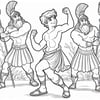
The Curetes performed the famous pyrrhic dance, involving:
- Shield-clashing
- Battle stances
- Agile leaps
- Rhythmic stomping
In ancient times, this dance:
- Initiated teenage boys into adulthood
- Honored Zeus or Rhea
- Symbolized chaos transformed into order
4.2. Ecstatic Music and Drumming
Both Curetes and Dactyls used:
- Tympana (hand drums)
- Bronze shields
- Clashing cymbals
- Rapid rhythmic chanting
These rituals resembled the frenzied worship of Dionysus and Cybele.
4.3. Magic and Healing
The Dactyls especially were known for:
- Spellcasting
- Root-cutting and herbalism
- Healing hands (again the “fingers” symbolism)
- Incantatory cures
Their knowledge was considered primordial and sacred.
5. Symbolism and Esoteric Meaning
5.1. The Curetes as Guardians
They embody:
- Protection of divine potential
- Transformation through rhythm and discipline
- Ritual combat
- Masculine initiatory energy
Their shield-clashing creates a sonic barrier, a mythic symbol of:
- dispelling evil
- masking vulnerability
- invoking divine protection
5.2. The Dactyls as Magicians and Smiths
They represent:
- Creation from fire (forges)
- Skill, dexterity, and invention
- Healing touch
- Hidden knowledge
Fire + magic + craftsmanship = primordial mastery over nature.
5.3. Their Shared Archetype
Together, the Curetes and Dactyls form the ancient archetype of:
- the sacred brotherhood
- the initiates
- the ecstatic dancers
- the protectors of the holy child
- the alchemists of earth and fire
They are transitional beings, linking the natural and divine worlds.
6. Influence on Mystery Traditions
Both groups seem to have influenced:
- Orphic rites
- Cretan initiatory cults
- The mysteries of Cybele
- Early Olympic rituals
- Magical brotherhood myths in Greece, Thrace, and Phrygia
Some scholars see them as forerunners of:
- The Korybantes
- The Telchines
- The Corythus (rites of armed youth)
Their mythology connects to initiatory warrior traditions, similar to:
- Spartan agoge
- Thracian “Sword Dances”
- Minoan bull-leaping fraternities
7. Curetes and Dactyls in Modern Interpretation
7.1. Psychological Symbolism
They represent:
- The inner guardians that protect our creative potential
- The art of channeling chaos into discipline
- The union of craftsmanship (Dactyls) and combat rhythm (Curetes)
7.2. Esoteric or Occult Modern Views
Some modern occult systems view them as:
- Proto-alchemists
- Guardians of sacred energy
- Archetypes of rhythmic magic
- Patrons of craftsmen, musicians, and healers
Conclusion
The Curetes and Dactyls stand among the oldest and most mysterious figures of Greek mythology. Part warriors, part priests, part magicians, they embody a world where ritual, rhythm, craftsmanship, and divine protection merge seamlessly.
They represent:
- The protective force that shields the new
- The magical hand that crafts and heals
- The ancient dance that binds heaven and earth
Their stories offer a rare glimpse into the pre-Olympian, primordial spirituality of the Mediterranean — a world of ecstatic rites, sacred mountains, divine births, and hidden brotherhoods.