
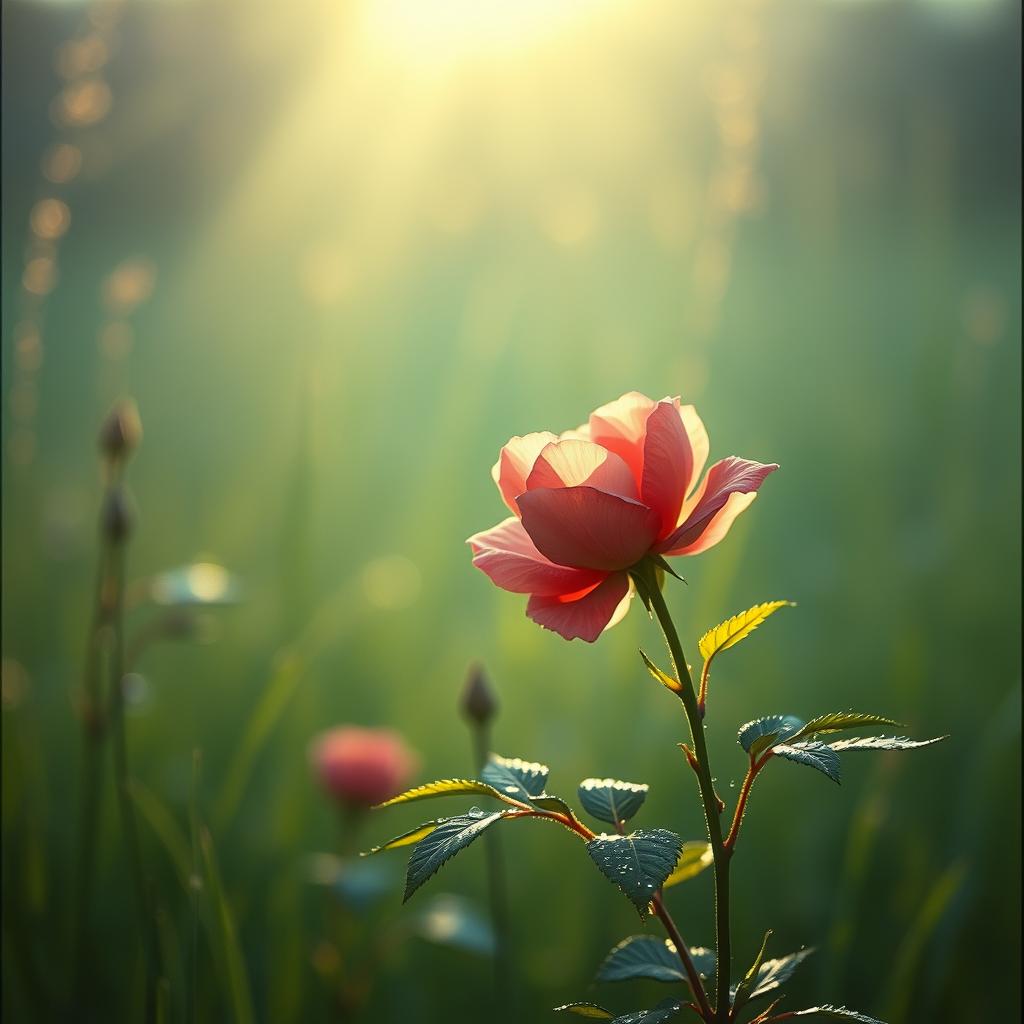
The Iris
This poem is a romantic meditation on beauty as comfort, invitation, and emotional refuge. The tone is lush, intimate, and quietly enchanted. The iris is not merely observed—it communicates, consoles, and companions the speaker. Nature becomes a living confidant, offering solace, romance, and memory.
The poem feels like a moment suspended outside of time, where attention itself becomes an act of love.
The Iris as Central Symbol
The purple iris symbolizes:
- depth of emotion
- dignity and grace
- intuition and wisdom
- quiet confidence
Purple traditionally suggests spirituality and nobility, and here the iris carries both—standing tall while also speaking softly.
The “first dance” implies awakening, the beginning of connection, or the first stirrings of love or remembrance.
Sensory Immersion
This poem is especially powerful because it engages nearly every sense:
- Sight: shadow, color, unfolding leaves, posture
- Taste: “grapes on the vine cannot compete”
- Touch: petals compared to newborn skin
- Smell: “perfume of its sighs”
- Sound: singing, dancing, whispered speech
The effect is immersive—the reader doesn’t just see the iris; they experience it.
Movement & Personification
The iris dances, sings, sighs, stands tall, and speaks. This constant motion gives it agency and personality. It is not fragile despite its softness—it is expressive and assured.
The comparison to a bandleader in a parade suggests leadership and joy, reinforcing the idea that beauty can be both gentle and commanding.
Innocence & Timelessness
The line comparing petals to a newborn’s skin introduces innocence and newness. The flower exists without history or anxiety—“not knowing where it is going or where it has been.” This reflects a longing for presence without burden, for existing fully in the moment.
The Iris as Emotional Keeper
One of the poem’s most tender ideas is this:
“put me in your pocket and save me for a rainy day”
The iris becomes a metaphor for:
- memory
- emotional resilience
- beauty stored against future sadness
It is not escapism—it is preparation. Beauty becomes something you carry with you, something that can sing when you cannot.
Romance & Trust
As the poem closes, the iris becomes a setting for intimacy:
- secrets shared in darkness
- hands held
- quiet companionship
The romance here is not dramatic—it is safe, slow, and confidential. The park setting reinforces public quietness paired with private truth.
Key Themes
- Beauty as emotional refuge
- Nature as companion and confidant
- Romance rooted in gentleness
- Presence and attentiveness
- Memory as comfort
Emotional Impact
This poem feels like an offering. It doesn’t demand interpretation—it invites the reader to slow down, notice, and listen. The iris becomes a reminder that softness does not equal weakness, and that beauty can stand tall while still whispering comfort.
In the context of your other poems
This piece fits beautifully within your ongoing floral symbolism:
- roses teach resilience and love with thorns
- morning glories carry memory and joy
- the iris becomes a keeper of secrets and solace
Together, they form a quiet theology of nature as healer.