

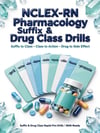
NCLEX-RN Pharmacology Suffix & Drug Class Rapid-Fire Drills
On Sale
$22.00
(60% off)
$8.80
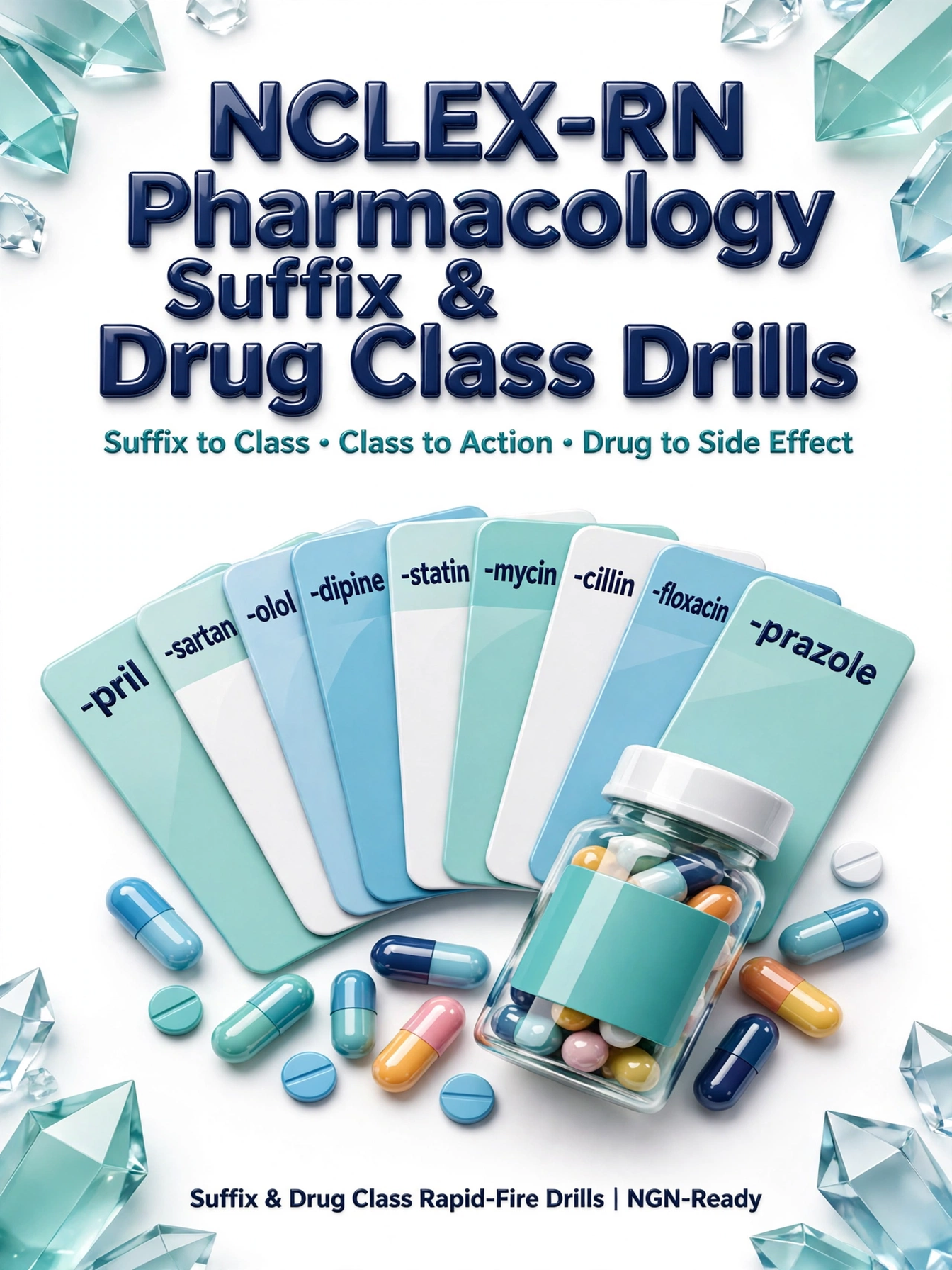
Pharmacology for the Next-Gen NCLEX-RN, taught as one chain: suffix → class → action → side effect → nursing check. Read the ending of the drug name first — it usually names the class before the stem finishes.
Inside:
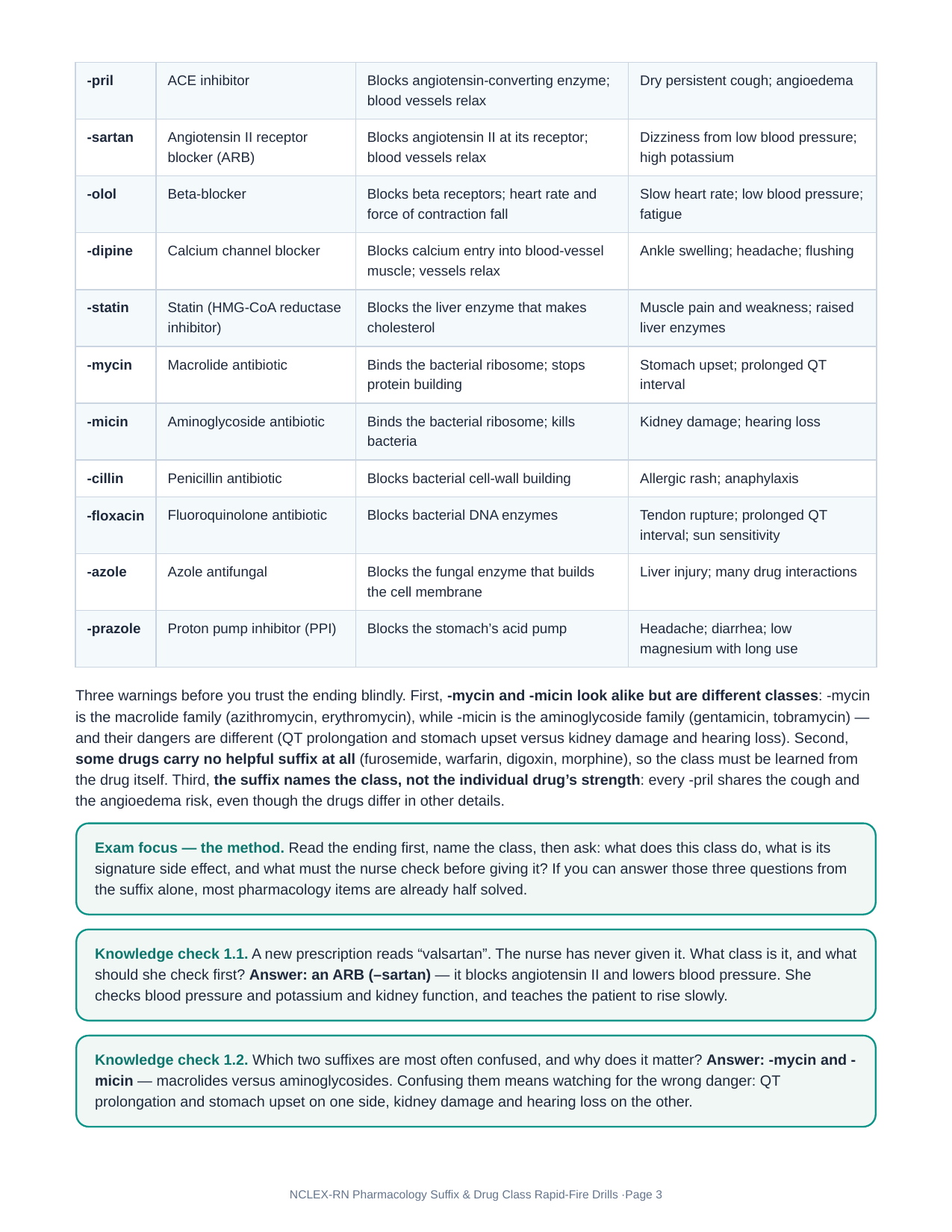
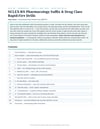
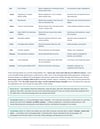
- How to read a drug suffix — the ten spec endings (-pril, -sartan, -olol, -dipine, -statin, -mycin, -cillin, -floxacin, -azole, -prazole) plus the -mycin / -micin look-alike trap
- -pril and -sartan — ACE inhibitors and ARBs: the bradykinin cough, angioedema as an airway emergency, and why the ARB switch stops the cough
- -olol and -dipine — beta-blockers and calcium channel blockers: the slow pulse check before every dose, never stopping suddenly, and the ankle-swelling trap
- -statin — the cholesterol drugs and the muscle warning: myopathy, dark urine, and when to report at once
- Antibiotics by suffix — -mycin, -micin, -cillin, and -floxacin: allergy first, tendon rupture, QT prolongation, kidney damage, and hearing loss
- -azole and -prazole — antifungals and acid-pump blockers: liver injury, drug interactions, and long-term diarrhea and low magnesium
- Drug class actions at a glance — one action sentence per class
- Key side effects — the master table, run backwards from symptom to drug
- Nursing considerations — the five checks before any drug, what to monitor, and what to teach
- High-alert drugs — insulin, opioids, anticoagulants, digoxin: the safety checks and the reversal agents (naloxone for opioids, vitamin K for warfarin)
- Contraindications — pregnancy, kidney and liver impairment, allergies, and the QT-prolonging drugs that add up
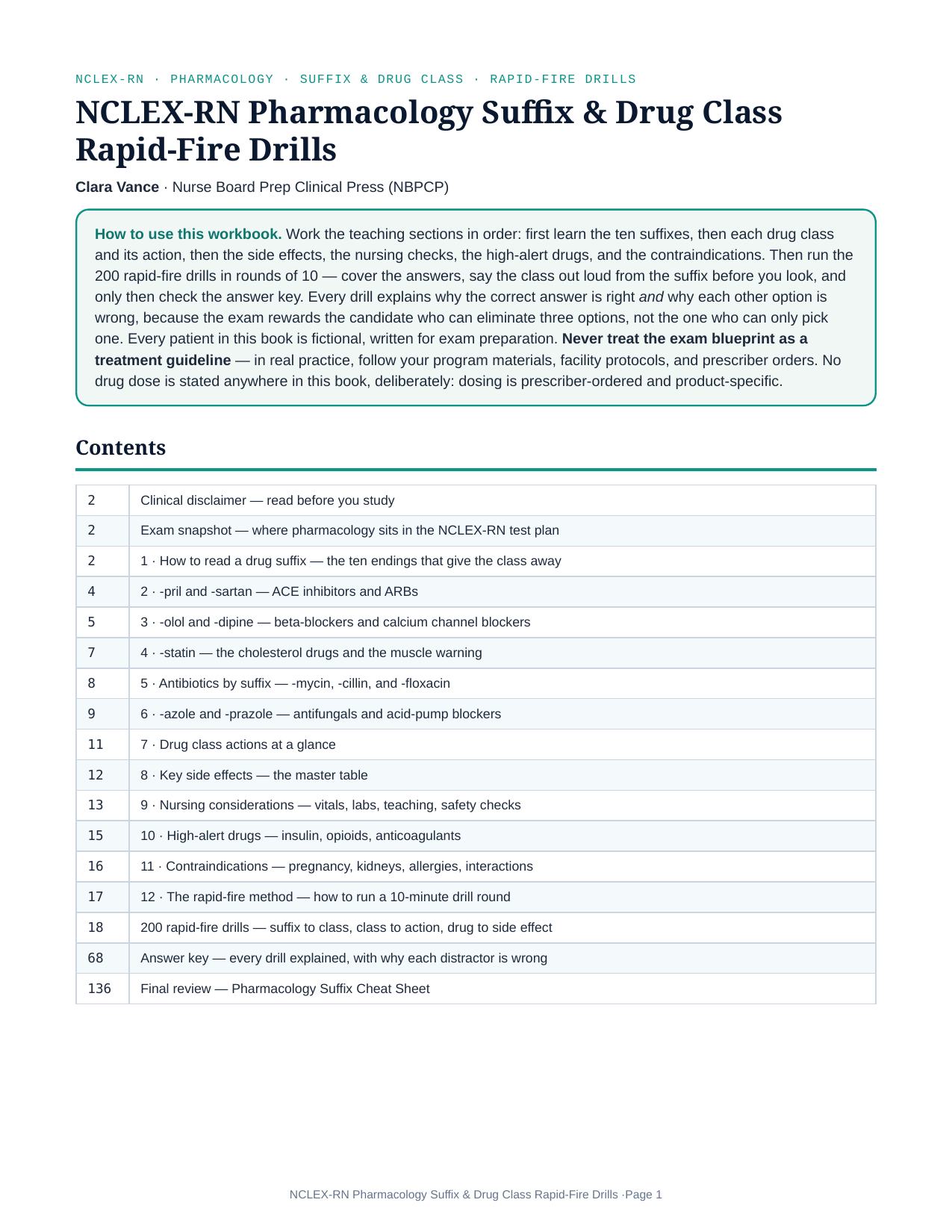
- The rapid-fire method — how to run a 10-minute drill round, 10 drills at a time
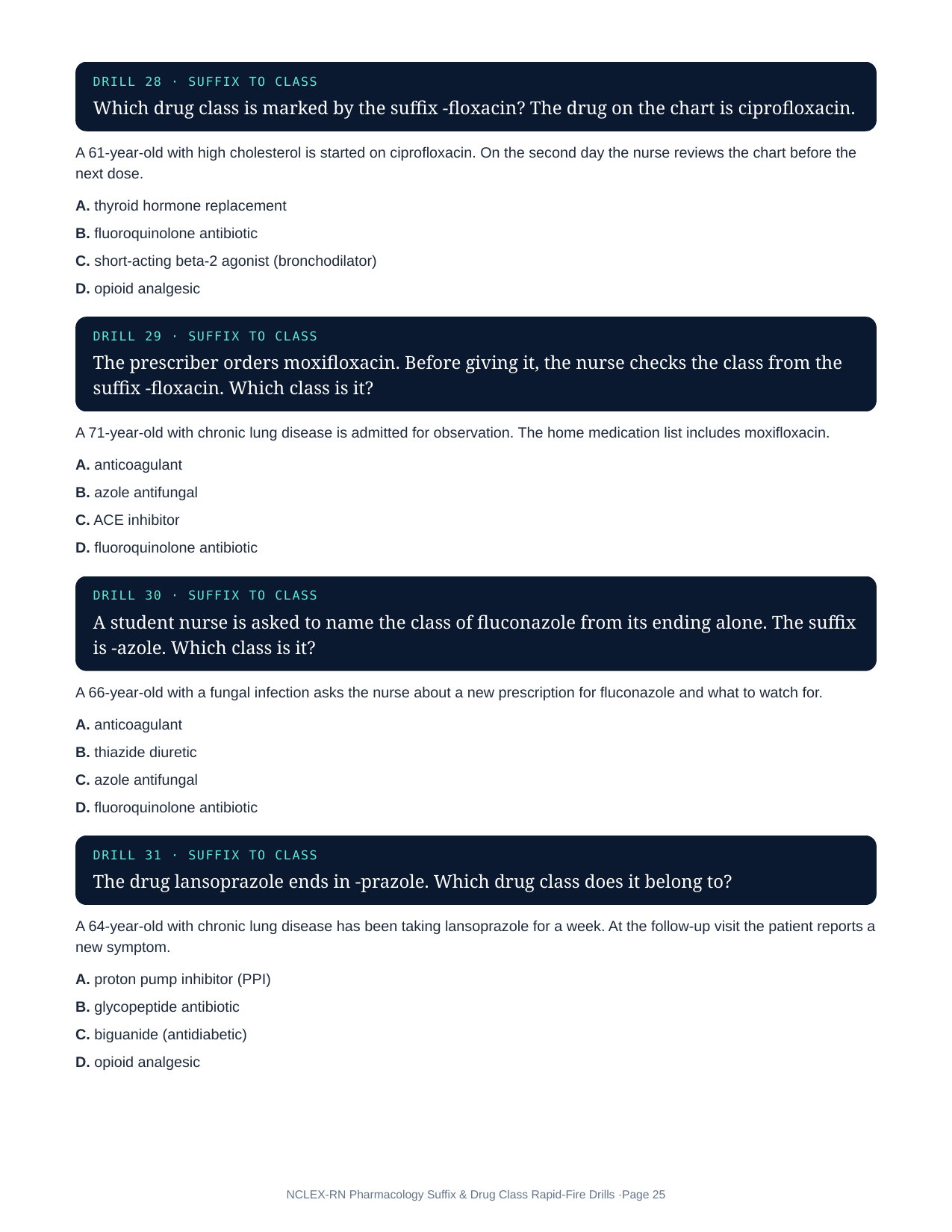
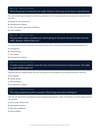
- 200 rapid-fire drills in 3 types — 70 suffix to class, 65 class to action, 65 drug to side effect — each with a short clinical scenario and 4 options
- Full answer key — every one of the 200 drills explains why the correct answer is right, why each other option is wrong, and the nursing consideration
- Final review: Pharmacology Suffix Cheat Sheet — the eleven-ending table, the five checks before any drug, and the report-at-once list
No real medicine doses are asserted in this book — dosing is prescriber-ordered and product-specific. This workbook teaches recognition, action, side effects, and safety checks — not doses. Original teaching cases written for exam practice. This guide is not affiliated with NCSBN and does not guarantee a pass. If you find an error, a corrected version will be sent free.