
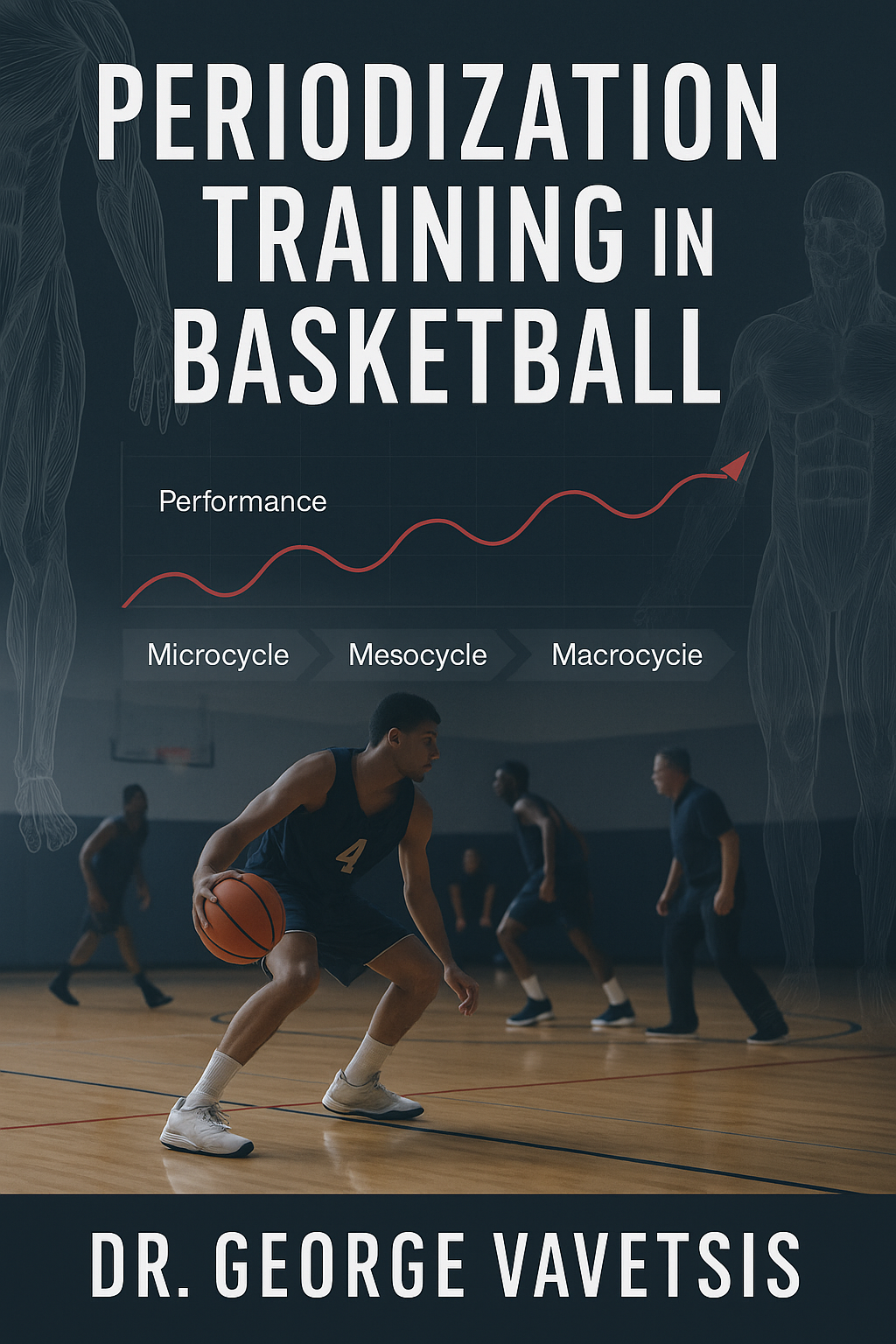
Periodization Training in Basketball
Pages: 4271
Basketball is no longer a game won solely on talent, instincts, or tactical execution—it is increasingly a sport of science. Behind every sprint, jump, or cut lies a complex integration of muscular power, energy system efficiency, neuromuscular control, and psychological resilience. As strength and conditioning coaches, our mission is to decode this integration, apply it through structured intervention, and optimize it across the competitive calendar. That is the essence of periodization.
The need for systematic, scientific periodization in basketball has never been greater. With the demands of modern schedules—extended seasons, international competitions, frequent travel, and minimal recovery windows—basketball athletes face a level of physical and psychological stress that challenges even the most gifted individuals. Periodization is no longer optional; it is the cornerstone of performance sustainability, injury prevention, and long-term athlete development.
This book, Periodization Training in Basketball, was born out of two decades of practical experience, interdisciplinary research, and applied coaching across elite basketball environments. It is intended to serve as both a reference and a roadmap for coaches, sport scientists, physiotherapists, and professionals working in high-performance basketball settings. From youth development systems to professional and national teams, the strategies outlined in these chapters aim to elevate programming from reactive to predictive, from generic to individualized.
The concept of periodization—originally grounded in Olympic sport—must be reimagined for the unique physiological, tactical, and calendar-specific demands of basketball. Unlike cyclic sports where competitions are well-spaced and preparation is linear, basketball presents a chaotic rhythm: back-to-back games, dense travel periods, in-season fatigue, and off-season conditioning windows that vary significantly by athlete. This reality demands a hybrid periodization system—one that is structured yet adaptable, based on principles but informed by data, and rooted in physiology yet shaped by context.
This book begins by establishing foundational models of periodization: classical, block, undulating, and micro-dosing frameworks. These models are then translated into basketball-specific applications—such as tapering before playoffs, deloading during congested travel weeks, or peaking for qualifying tournaments. Throughout, the book emphasizes the integration of the neuromuscular, metabolic, and hormonal responses to training, and how these can be manipulated through precise programming variables: volume, intensity, frequency, and recovery.
A central theme in this book is individualization. While basketball is a team sport, the training response is personal. Two athletes may respond differently to the same workload due to positional demands, injury history, genetics, sleep quality, or emotional stress. Periodization is most effective when it is athlete-centered. That’s why chapters also explore profiling tools: force plate diagnostics, isokinetic testing, HRV monitoring, and readiness metrics. These tools don’t replace coaching—they enhance it. They enable us to adapt plans in real time, identify early signs of overtraining, and prescribe interventions with surgical precision.
Another critical emphasis is on the off-season—a window often misunderstood or underutilized in basketball. This book presents structured frameworks for maximizing this phase: from neuromuscular rebuilding and force vector targeting, to energy system reconditioning and psychological reset. Off-season gains are the foundation for in-season durability and explosiveness. When periodized correctly, this phase transforms athletes from reactive survivors into resilient, adaptable performers.
From a methodological standpoint, Periodization Training in Basketball is also a bridge between science and application. Each training block is supported by evidence-based rationale: the effects of eccentric overload on muscle remodeling, the utility of contrast sets in power development, or the role of sleep and circadian regulation in performance tapering. Yet each concept is also translated into real-world schedules, drills, load ranges, and positional adaptations. Coaches will find not just theory, but practice—anchored in the latest research but molded through on-court demands.
Recovery science is also given its rightful place in this book. Periodization is not just about when to load—but also when to unload, restore, and regenerate. Cold-water immersion, sleep banking, soft-tissue therapy, active recovery circuits, and anti-inflammatory nutrition strategies are all integrated into periodization cycles—not as add-ons, but as performance multipliers.
The final chapters address special populations and contexts: adolescent players in developmental leagues, veterans with high cumulative load, athletes returning from injury, and female athletes with cyclical physiological considerations. Basketball does not exist in a vacuum, and effective periodization must reflect this diversity. It must accommodate hormonal fluctuations, menstrual cycle planning, tendon stiffness profiles, and even cultural training preferences.
This book is not a prescription. It is a compass. It is designed to empower coaches to think critically, plan scientifically, and adapt dynamically. Whether you're managing an NBA playoff rotation, preparing a U16 national team for a FIBA championship, or guiding a collegiate squad through a 30-game season, the tools and insights herein will help you navigate the complexities with clarity and confidence.
In writing this book, I have drawn from collaborations with some of the most respected minds in sports science, but more importantly, from hundreds of hours spent courtside—observing, adjusting, testing, and learning. This book reflects the realities of practice and the rigor of science, fused in service of one goal: to elevate the game of basketball through smarter, more strategic training.
To every strength and conditioning coach striving for excellence: may this book sharpen your vision, deepen your understanding, and enhance the athletes under your care.