
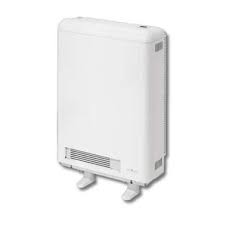
Storage Heaters: A Practical Guide to Efficient Electric Heating
Storage heaters are a type of electric heating system designed to storage heaters store thermal energy and release it gradually into a room. Unlike conventional electric heaters that generate heat only while they are operating, storage heaters typically use electricity during designated periods to warm internal heat-retaining materials. The stored heat can then be released throughout the day, providing a steady source of warmth.
What Are Storage Heaters?
Storage heaters are electric heating appliances that contain specially designed materials capable of absorbing and retaining heat. During their charging period, electrical energy is converted into heat and stored inside the unit. The stored energy is then gradually released into the surrounding room.
This operating method can be particularly useful in properties where electricity is available at different rates during different times of the day or night. Modern storage heaters may also include controls that allow users to adjust how much stored heat is released.
How Do Storage Heaters Work?
A storage heater generally contains heating elements surrounded by dense materials such as specially manufactured thermal blocks. When the heating elements operate, these materials become hot and retain the generated thermal energy.
Once the charging period ends, the stored heat is released through the heater's casing and controlled airflow. Depending on the model, users may be able to adjust the output to influence how quickly heat enters the room.
Benefits of Storage Heaters
One of the main benefits of storage heaters is their ability to store heat for later use. Instead of requiring continuous electricity throughout the entire period when warmth is needed, the heater can charge during a selected period and release heat afterward.
Storage heaters can also provide a useful alternative in properties without gas central heating. They are available in different sizes and capacities, making it possible to select a unit according to room dimensions and heating requirements.
Modern Storage Heater Features
Contemporary storage heaters have evolved considerably from older designs. Many modern models include electronic controls, programmable settings, thermostats, temperature sensors, and improved insulation around the internal heat-storage material.
Some systems can automatically adjust charging based on previous usage or expected heating requirements. These features can provide greater control over indoor temperatures and may help users avoid storing more heat than necessary.
Storage Heaters and Energy Management
The running cost of a storage heater depends on several factors, including the electricity tariff, heater capacity, charging duration, room insulation, and the amount of heat required. Where electricity tariffs offer cheaper periods, users may be able to take advantage of those periods to charge the heater.
Good insulation is also important. If a room loses heat quickly through poorly insulated walls, windows, doors, or ceilings, more stored energy may be required to maintain comfortable temperatures.
Choosing the Right Storage Heater
The correct storage heater should be selected according to the room's heating requirements. Room dimensions, insulation levels, number of external walls, window size, and typical occupancy should all be considered.
It is also useful to compare the heater's storage capacity, physical dimensions, control options, and heat output. A qualified heating professional can provide guidance when the required capacity is difficult to determine.
Storage Heaters for Different Properties
Storage heaters can be used in houses, apartments, flats, offices, and other buildings where electric heating is appropriate. They may be especially useful in rooms that require consistent background warmth throughout the day.
For occasionally occupied spaces, however, users should consider whether the charging and heat-release characteristics of a storage heater match the property's heating schedule.
Installation and Safety
Storage heaters are substantial electrical appliances and can be heavy because of their internal thermal storage materials. Installation should follow the manufacturer's instructions and applicable electrical regulations.
The heater should have adequate clearance from furniture, curtains, and other items that could interfere with heat circulation. Electrical connections should be handled by a suitably qualified professional when required.
Maintaining a Storage Heater
Storage heaters generally require limited maintenance, but keeping the unit clean and unobstructed can help maintain normal operation. Dust should be removed according to the manufacturer's instructions, and controls should be checked periodically.
If the appliance develops electrical faults, unusual smells, damaged wiring, or other abnormal behavior, it should be switched off and inspected by a qualified professional.