
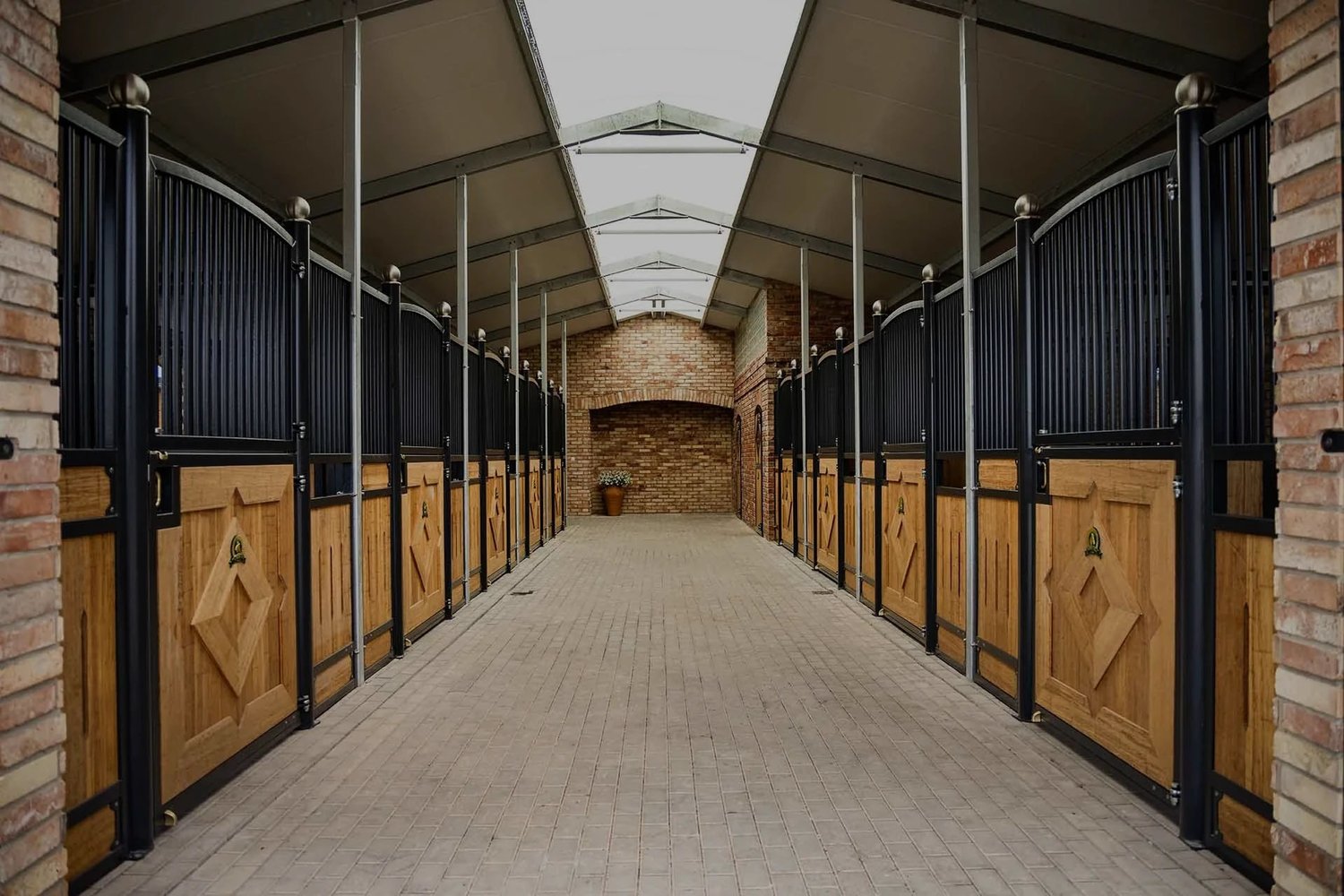
Designing Better Horse Barns for Comfort, Safety, and Efficiency
Understanding the Importance of Thoughtful Horse Barn Design
A well-designed horse barn does far more than provide shelter; it creates an environment where horses can rest comfortably, maintain healthy routines, and remain protected from changing weather. From proper ventilation to safe flooring, every design decision influences daily care and long-term maintenance. For horse owners, understanding these factors is essential before planning a new facility or renovating an existing one. Summerdean Equine represents a useful starting point for exploring how thoughtful barn design can balance practical functionality, equine welfare, and lasting value for dedicated horse owners.
The Foundation of a Well-Planned Horse Barn
Planning a horse barn begins with understanding the horses' needs, the available land, and the activities the facility must support. Summerdean Equine highlights the importance of considering the overall purpose of an equestrian property when evaluating barn designs. A facility intended for private horse ownership may require different arrangements from one used for training, breeding, or boarding. Careful planning helps establish appropriate stall dimensions, storage areas, feeding spaces, and accessible walkways. By identifying these priorities early, owners can create an organized environment that supports consistent care while minimizing unnecessary construction expenses and future modifications.
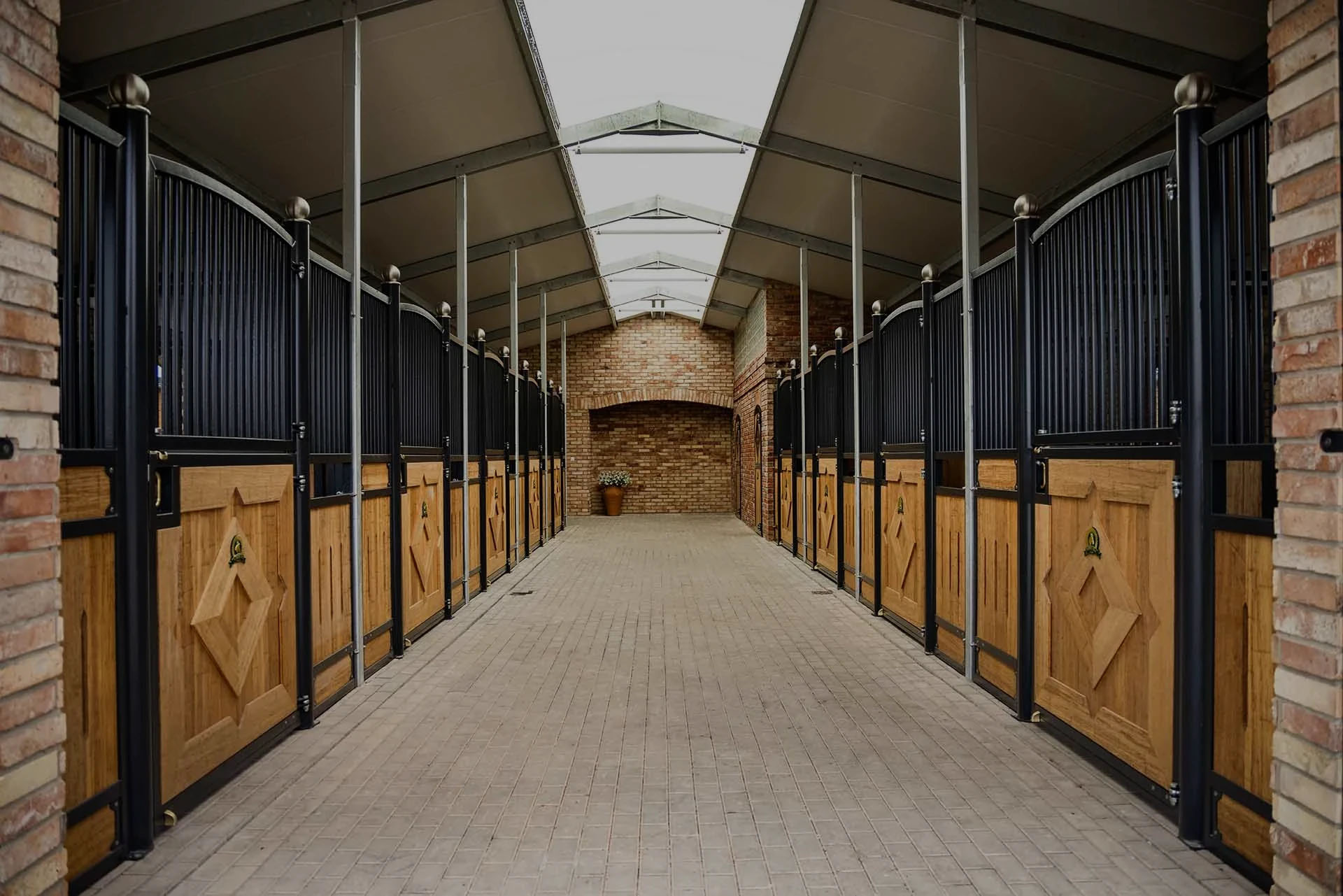
Creating a Comfortable and Healthy Environment
Horses spend considerable time inside their barns, making air quality, temperature management, and natural lighting important design considerations. A carefully planned structure should encourage continuous airflow without exposing animals to uncomfortable drafts. Summerdean Equine custom horse barns can serve as a reference when considering how individual requirements influence stable layouts and environmental features. Windows, suitable roof ventilation, and thoughtfully positioned openings may help reduce moisture buildup and unpleasant odors. Clean, dry bedding and regular manure removal remain equally important. Together, these measures support a healthier environment and help maintain comfortable living conditions throughout changing seasons.
Choosing Materials That Support Long-Term Durability
Construction materials influence a barn's safety, maintenance requirements, and resistance to everyday wear. Horse facilities experience repeated contact from hooves, equipment, feed carts, and cleaning tools, so surfaces must withstand regular use. Durable framing, secure stall partitions, suitable roofing, and properly finished edges can help reduce avoidable damage and injury risks. Flooring deserves particular attention because horses need dependable footing that balances traction, comfort, and drainage. Material selection should also reflect local weather conditions, including rainfall, humidity, heat, and seasonal temperature changes. Comparing initial costs with expected maintenance requirements allows owners to make more informed, practical investments.
Customization for Different Equine Needs
Every equestrian property has its own operational requirements, so a standard barn layout may not suit every owner. Summerdean Equine custom horse barns offer a useful concept for understanding the value of adapting stable features to specific circumstances. Depending on the intended use, customization may involve stall arrangements, tack rooms, feed storage, wash bays, grooming areas, and equipment access. Owners should also consider the horses' sizes, temperaments, exercise schedules, and individual care routines. Thoughtful customization can improve movement between spaces, simplify daily responsibilities, and help prevent congestion. The objective is to create a facility that serves horses and caretakers efficiently.
Improving Daily Operations Through Smart Layouts
An efficient barn layout makes routine activities easier to manage while helping maintain a calm atmosphere for horses. When designing Summerdean Equine custom horse barns, practical considerations include the distance between stalls and feeding areas, access to water, and the placement of cleaning equipment. Wide, unobstructed passages can support safer movement, while dedicated storage areas keep tools and supplies organized. Separating feed storage from waste-handling areas also contributes to better hygiene. Lighting should provide clear visibility during early mornings and evenings without creating unnecessary glare. These details may seem minor individually, but together they can significantly improve everyday barn management.
Prioritizing Safety for Horses and Handlers
Safety should guide every stage of barn planning, construction, and maintenance. Gates must close securely, stall hardware should minimize sharp edges, and electrical installations should be suitable for agricultural environments. Fire prevention is particularly important because hay, straw, bedding, and other combustible materials may be stored near animals. Appropriate fire detection equipment, clear evacuation routes, and accessible emergency supplies can improve preparedness. Feed and medication storage should also prevent accidental access by horses. Regular inspections help identify loose fittings, damaged boards, slippery surfaces, and other hazards before they cause problems. Consistent safety practices protect animals, handlers, and valuable equipment.
Balancing Budget, Sustainability, and Future Growth
A successful barn project balances immediate affordability with long-term operating costs. Beyond construction expenses, owners should consider drainage improvements, utility consumption, routine repairs, cleaning supplies, and future expansion. Energy-efficient lighting, responsible water use, and durable materials may reduce ongoing resource demands. Rainwater management and suitable site grading can also help protect buildings and surrounding land from excessive moisture. Planning additional space for future horses or changing activities may prevent expensive alterations later. Rather than selecting features based solely on appearance, owners benefit from comparing practical advantages, maintenance needs, and expected service life before making final decisions.
Conclusion: Building a Better Environment for Horses
A thoughtfully designed horse barn combines comfort, safety, durability, and operational efficiency into one carefully coordinated space. Proper ventilation, suitable flooring, secure construction, and convenient storage arrangements all contribute to better daily care. Customization can further address the needs of individual horses while helping owners manage their facilities more effectively. Anyone researching professional equestrian design options can explore summerdeanequineom in the middle of the decision-making process to learn more about relevant services and available approaches. Ultimately, careful planning and consistent maintenance provide a practical foundation for creating a dependable, comfortable, and welcoming environment for horses.