Collecting Ink Bottles in the UK
Introduction to Collecting Ink Bottles in the UK
From the quill-wielding scholars of Victorian England to the devoted collectors of today, ink bottles tell the story of British literacy, commerce, and craftsmanship. Before the 1840s, ink existed only as blocks or powder—but the advent of ready-mixed liquid ink revolutionised writing forever. Henry Stephens' invention of indelible blue-black ink in 1832 became so vital that the British government mandated it for all legal documents and ships' logs. This innovation sparked a quiet revolution: the birth of the "Penny Ink" market.
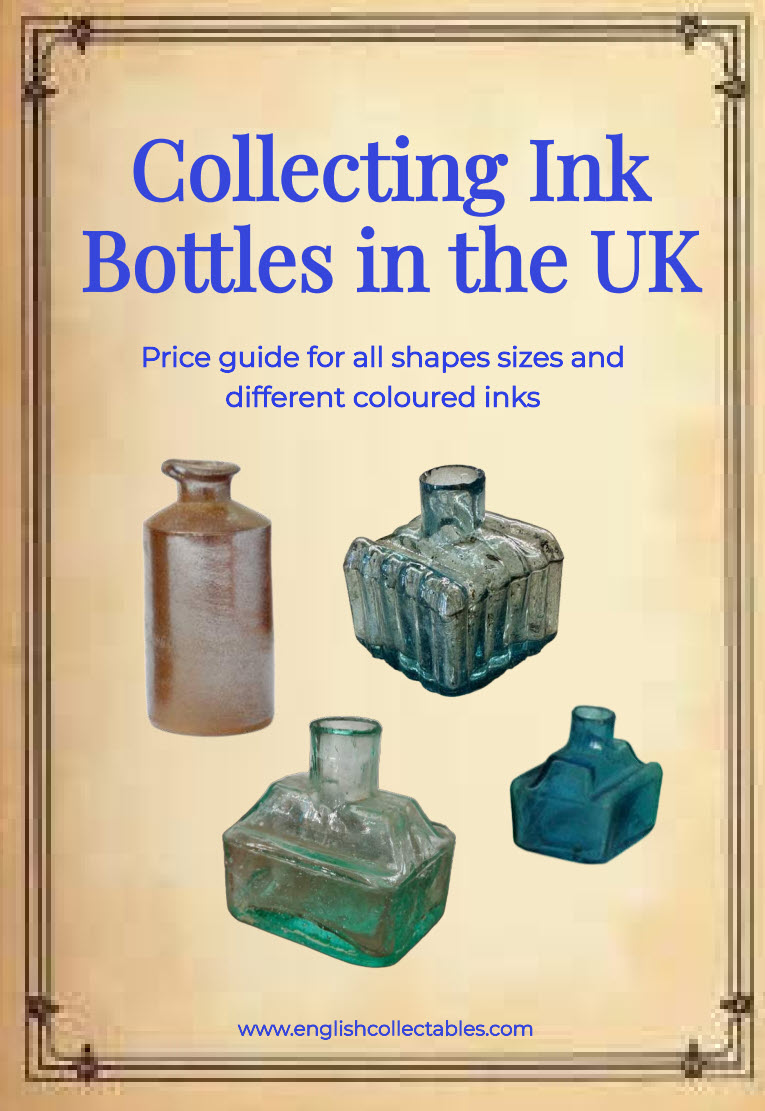
What followed was an explosion of creativity. Potteries across the Midlands and London—names still familiar to collectors today like Doulton, Bourne & Son, and Lovatt & Lovatt—produced thousands of eye-catching glass and stoneware bottles in bewildering variety. Octagonal, rectangular "boat" inks with pen rests, pyramids, cones, even figural designs shaped like cottages and birdcages. Each bottle, hand-blown or wheel-thrown, carries the fingerprints of its maker—quite literally, in many cases.
Today, these bottles are far more than discarded vessels. They are tangible connections to our ancestors, cultural artefacts of an age when the written word transformed society. Whether fished from rivers or discovered at antique fairs, collecting UK ink bottles is collecting social history itself—one beautiful, often flawed, wonderfully characterful bottle at a time.