
Urban Fruit Gardening: Growing Fresh Fruit in the City
Urban fruit gardening allows city dwellers to enjoy fresh urban fruit gardening, homegrown fruit without needing a large backyard. Whether you have a balcony, rooftop, or small patio, growing fruit in urban environments is possible with the right techniques, containers, and plant selection. Urban gardening not only provides nutritious produce but also adds greenery and life to city spaces.
Why Urban Fruit Gardening Matters
Urban fruit gardening promotes self-sufficiency, sustainability, and healthy eating. By growing your own fruit, you reduce reliance on store-bought produce, minimize transportation emissions, and enjoy chemical-free, fresh food. It also enhances the aesthetic appeal of urban spaces and can provide a relaxing and rewarding hobby.
Best Fruit Choices for Urban Gardens
Selecting the right fruit is key in an urban setting. Compact and dwarf varieties are ideal for container growth:
- Strawberries – perfect for balcony boxes or hanging baskets
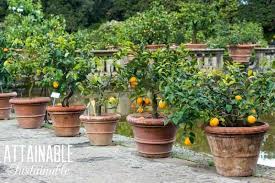
- Dwarf citrus trees – lemons, limes, and oranges thrive in pots
- Blueberries – require acidic soil and medium-sized containers
- Figs – compact varieties suitable for patios
- Tomatoes and cherry tomatoes – grow well in containers or vertical gardens
- Raspberries – excellent for vertical supports
Choose varieties suited for container growth and urban climates to maximize productivity.
Choosing Containers and Space-Saving Solutions
Containers are essential in urban fruit gardening. Pots, raised beds, and grow bags allow fruit plants to thrive in limited spaces. Vertical gardening techniques such as trellises, wall-mounted planters, and hanging baskets maximize available area while keeping plants healthy and accessible.
Soil and Fertilization
Use high-quality, well-draining potting soil to prevent waterlogging and support root health. Urban container-grown fruit requires regular feeding due to nutrient depletion from frequent watering. A balanced fertilizer or organic compost will encourage flowering, fruiting, and strong growth.
Sunlight and Watering
Most fruit plants need 6–8 hours of sunlight daily. Position containers or vertical setups in sunny areas to ensure proper growth. Urban gardens often heat up quickly, so check soil moisture regularly and water deeply to prevent stress. Self-watering containers can be especially helpful in city environments.
Maintenance and Pruning
Prune urban fruit plants to manage size and promote healthy growth. Remove dead or overcrowded branches and support climbing plants with stakes or trellises. Monitor for pests and diseases, which can spread quickly in container setups, and treat issues promptly.
Seasonal Considerations
In colder months, move containers indoors, to a greenhouse, or provide insulation to protect roots. During hot summers, provide partial shade and increase watering frequency to prevent heat stress. Adjust care routines seasonally to maintain consistent yields.
Conclusion
Urban fruit gardening makes it possible to enjoy fresh, homegrown fruit in even the smallest city spaces. With careful plant selection, proper containers, sunlight, and attentive care, you can turn balconies, rooftops, and patios into productive fruit gardens. Urban gardening combines practicality with beauty, giving city dwellers the joy of harvesting their own fruit right at home.