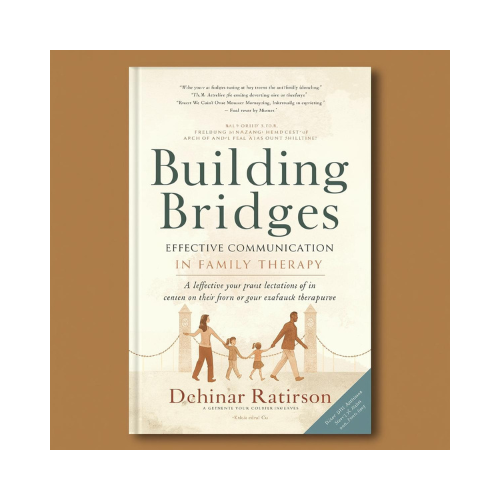
BOOK - Building Bridges: Effective Communication in Family Therapy
Building Bridges: Effective Communication in Family Therapy is a crucial book that delves into the intricacies of family dynamics and communication patterns within a therapeutic context. The book emphasizes the importance of clear and open communication to foster healthy relationships and resolve conflicts within families. By exploring various communication techniques and strategies, both therapists and family members can learn to navigate challenging situations and create a supportive environment for growth and healing.
One key concept discussed in the book is the role of active listening in effective communication. Active listening involves fully concentrating on what the speaker is saying, understanding their message, and responding thoughtfully. By practicing active listening, therapists can demonstrate empathy and validation, which can help build trust and rapport with family members. Active listening also encourages individuals to express themselves openly and feel truly heard, fostering a deeper connection and understanding within the family unit.
Additionally, Building Bridges highlights the significance of nonverbal communication in family therapy. Nonverbal cues, such as body language, facial expressions, and tone of voice, can often convey more meaning than words alone. Therapists are encouraged to pay attention to these subtle cues to gain insight into underlying emotions and thoughts. By helping family members become more aware of their nonverbal communication and its impact, therapists can facilitate clearer and more authentic interactions, leading to improved relationships and overall well-being.
Today, we will delve into the key concepts outlined in the book "Building Bridges: Effective Communication in Family Therapy." This book serves as a valuable resource for individuals looking to enhance their communication skills within the family therapy context. One of the primary focuses of the book is the importance of active listening in fostering positive relationships and resolving conflicts within families. Effective communication is essential in family therapy as it lays the foundation for trust, understanding, and collaboration among family members.
Furthermore, "Building Bridges" emphasizes the significance of empathy in communication. Empathy involves putting oneself in another person's shoes and understanding their emotions and perspectives. In family therapy, being empathetic can help family members feel heard and validated, leading to improved communication and relationship dynamics. The book provides practical strategies on how to cultivate empathy within the family unit, such as active listening, paraphrasing, and reflecting emotions.
Lastly, the book highlights the role of clear and assertive communication in family therapy. Clear communication ensures that messages are accurately conveyed and understood by all parties involved. Assertiveness, on the other hand, enables individuals to express their thoughts, feelings, and needs in a respectful manner. By incorporating these communication skills into family therapy sessions, families can navigate challenges more effectively and strengthen their bonds. "Building Bridges" offers valuable insights and exercises to help readers enhance their communication skills and build healthier relationships within the family.
Building Bridges: Effective Communication in Family Therapy is a pivotal book that delves into the intricate dynamics of family relationships and how effective communication plays a crucial role in maintaining harmony within the family unit. The book emphasizes the power of communication in resolving conflicts, strengthening bonds, and fostering a supportive environment for all family members. By exploring the principles outlined in this book, individuals can learn valuable techniques to improve their communication skills within the family setting and beyond.
One of the key takeaways from Building Bridges is the significance of active listening in communication. Active listening involves fully concentrating, understanding, responding, and remembering what is being said. By practicing active listening, family members can demonstrate empathy, build trust, and create a safe space for open dialogue. This book provides practical strategies and exercises to enhance active listening skills, such as paraphrasing, reflecting feelings, and asking open-ended questions, which can significantly improve communication effectiveness within the family.
Moreover, Building Bridges introduces the concept of assertive communication as a powerful tool for expressing thoughts, feelings, and needs confidently and respectfully. Assertive communication promotes healthy boundaries, reinforces self-esteem, and encourages mutual respect among family members. By learning assertive communication techniques outlined in the book, individuals can navigate challenging conversations, set clear expectations, and address conflicts constructively. Ultimately, mastering assertive communication can transform the family dynamic and cultivate a culture of open communication and understanding.
Building Bridges: Effective Communication in Family Therapy is a valuable resource for therapists and counselors seeking to enhance their communication skills within family settings. One key aspect highlighted in the book is the importance of active listening. This involves not only hearing what the family members are saying but also understanding their emotions, motivations, and perspectives. By actively listening, therapists can demonstrate empathy and build trust with the family, creating a safe space for open and honest communication.
Another essential concept discussed in the book is the role of nonverbal communication in family therapy. Nonverbal cues such as body language, gestures, and facial expressions can often convey more meaning than words alone. Therapists are encouraged to pay close attention to these nonverbal signals to gain a deeper insight into the family dynamics. By being attuned to nonverbal cues, therapists can better understand unspoken emotions and conflicts within the family, facilitating more effective interventions and communication strategies.
Moreover, Building Bridges emphasizes the significance of setting clear goals and boundaries in family therapy sessions. Therapists are encouraged to work collaboratively with the family to establish realistic objectives and boundaries for therapy. Clear goals help to guide the therapeutic process and keep everyone focused on the desired outcomes. Additionally, setting boundaries ensures a respectful and professional therapeutic relationship while fostering a sense of structure and accountability within the family dynamics. Overall, this book provides practical insights and strategies to help therapists navigate the complexities of family communication and enhance the effectiveness of their therapeutic interventions.