
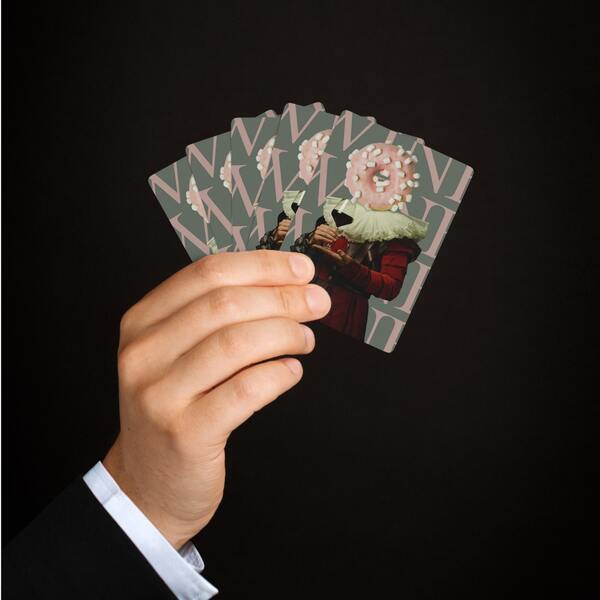
How to Create Custom Made Playing Cards for Events or Games
A good set of playing cards never goes out of style. People use them for poker, go fish, magic tricks, or just to pass the time. But the fun really starts when you make your own. Custom decks make people smile, especially if they weren’t expecting something that personal.
Creating custom made playing cards isn’t just for professionals or people with graphic design degrees. It’s for anyone with an idea and a little time to figure it out. You don’t need to make it complicated either. Simple concepts usually turn out best.
Figure Out What the Cards Are For
Before you start throwing designs around, ask yourself: what's the goal? That might sound like a waste of time, but it actually matters more than people think.
Are you making these for a wedding or bachelor party? Maybe a tabletop game that you invented, or a set of trivia cards for your office holiday party. Each purpose calls for a slightly different approach. A deck meant for actual gameplay needs balance. A souvenir deck can focus more on visuals.
You might also need a different number of cards. People often assume it has to be 52, but there’s no rule. Make 30, 60, or 99 if you want to. Just make sure it fits your plan.
Pick a Size That Feels Right
The standard size is poker cards: 2.5 by 3.5 inches. That’s what most people are used to. If your cards are mostly for casual handling or games, stick with that.
But bridge cards are a little slimmer, and sometimes easier to hold if people need to fan out a bunch at once. Tarot cards are bigger and better for detailed artwork, especially if your design includes full illustrations.
Mini cards are cute and portable, but they’re hard to shuffle and even harder to read if the print is small. You’ll want to test-print if you're going that route.
Design One Thing at a Time
Most people open up a template and try to do the whole deck at once. That gets overwhelming fast. Instead, do a few cards first.
Start with the back. Every card in the deck should have the same design there, unless you're purposely trying to make them different. If you’re playing any kind of game with drawing, you don’t want people to be able to tell cards apart from the back.
Fronts can be as unique or repetitive as you want. Standard decks reuse layouts for all the numbered cards, but your deck might be all custom faces, or illustrations, or questions. Just make sure it’s consistent enough that the whole deck still feels like a set.
Use Fonts That Aren’t Terrible
This sounds like obvious advice, but you’d be surprised how many people use a handwriting font they downloaded 10 minutes ago. If it’s hard to read, especially when shrunk down, it’s not a good pick.
Stick to fonts that were made for screens and small spaces. You can still be stylish but just stay legible. Try to avoid using five different fonts across one deck. That makes the cards look messy, even if the content is solid.
Also, remember some fonts don’t have all characters. If your deck has symbols, punctuation, or foreign characters, double-check that your font supports them.
Stick to a Safe Area
Every printer has a “safe zone,” which is the area where important content won’t get trimmed off. When cards are cut, there’s always a little wiggle room. You don’t want your text or logos getting sliced at the edges.
Get the template from the printer. Use it. Keep text and faces away from the bleed area. It's not just a suggestion, it's protection for your design.
Choose a Finish That Matches the Use
Cardstock is not all the same. You can pick from glossy, matte, linen, plastic-coated, and full plastic. They feel very different in your hand.
For heavy gameplay, plastic-coated or linen cards last longer and shuffle better. If your deck is mostly for display or gifts, matte might look more elegant.
Glossy cards look nice but show fingerprints easily. And some finishes are slippery at first, which can be a pain depending on the game. Some people like that feel, others don’t. It’s a personal thing.
Order a Sample First
Don't skip this. Ever. Order a single test deck before you commit. It might cost a little more per card, but it’ll save you from printing 200 flawed copies.
You’ll spot mistakes that never showed up on screen. A font that looked bold enough isn’t. Or a color you liked looks too dark in print. The spacing on your back design might be off-center, even if the file looked fine. Printers aren't perfect, neither is your screen.
Once the test deck arrives, go through every card. Don’t just check the look, shuffle them, hold them, tap the edges, see how they fan out. You’ll know pretty quickly what works and what needs fixing.
Choose the Right Printer
There’s no shortage of companies out there who’ll print cards. Some let you order just one deck, others require a minimum of 50 or 100. It depends on who you pick.
Read reviews, especially if you're on a deadline. Some printers get slammed during holidays and events. Also check their refund policy just in case something prints badly.
Think About Packaging
If you're giving these as gifts or favors, the box matters. A plain white tuck box won’t wow anyone, even if the cards inside look great.
Most printers offer custom tuck boxes, which match your deck design. Some even do two-part rigid boxes, which feel fancier and hold up better. If you're selling decks or shipping them, sturdier packaging helps a lot.
Add a rule sheet or note card if it’s a game deck. That small touch makes everything feel complete.
Keep It Simple (Especially Your First Time)
The biggest mistake people make? Overdesigning. Adding too much. Trying to make every card stand out.
Sometimes that works. Most times it doesn’t. If you’re new to this, don’t overthink it. Use a basic layout. Stick to a few colors. Pick one font for numbers and one for titles. Make something clean that people will actually want to use.
You can get fancy on the next deck.
Final Words
Making your own deck of playing cards is one of those projects that starts small, then turns into something you’re oddly proud of. You get to hold the finished product, shuffle it, show it off, and it’s something you made.
It might take a few tries to get it perfect. That’s normal. But once you’ve made your first set, don’t be surprised if you start thinking up ideas for another. Playing cards are a classic format, but they leave room for all kinds of creativity.
And if nothing else, you’ll never show up at a party with the same old deck again.