
West Java Power Generation and Transmission Projects Opportunity Report (2026-2034)
West Java Power Generation and Transmission Projects Opportunity Report (2026-2034)
In the rapidly evolving landscape of global energy, few regions hold as much promise as Indonesia's West Java Province. As the world's fourth-most populous nation accelerates its transition toward sustainable power, West Java stands at the forefront, boasting immense potential in renewable resources like geothermal, hydro, solar, and wind. With the Indonesian government's ambitious targets for net-zero emissions by 2060 and a projected electricity demand surge driven by industrialization, urbanization, and electrification, savvy investors, developers, and engineers are racing to capitalize on emerging projects. But navigating this complex market requires more than enthusiasm, it demands precise, actionable intelligence. That's where our groundbreaking report, "West Java Power Generation and Transmission Projects Opportunity List 2026–2034" comes in. This comprehensive document is your ultimate guide to unlocking billions in investment and EPC opportunities, empowering you to make informed decisions that could shape the future of energy in Southeast Asia.
Imagine having a crystal-clear roadmap to over 75 power plant projects, 205 transmission line developments, and 309 substation project opportunities, all meticulously detailed with capacities, timelines, statuses, and developers. This isn't just data, it's a strategic asset compiled from official sources like PT PLN (Persero)'s RUPTL 2025–2034 and aligned with national energy policies. Whether you're an independent power producer (IPP) eyeing geothermal expansions, an EPC contractor bidding on high-voltage lines, or a financier assessing risks in renewable quotas, this report equips you with the insights to outpace competitors and secure your stake in one of Asia's hottest energy markets.
The energy sector in West Java is on the cusp of explosive growth. The West Java province power demand projections indicate robust increases fueled by economic hubs in manufacturing, agriculture, and tourism. Indonesia's commitment to the Accelerated Renewable Energy Development (ARED) program means a shift toward clean sources, and you have a treasure trove of opportunities. Yet, without detailed knowledge of project statuses, from construction-ready to exploratory, you risk missing out on high-return ventures or facing regulatory hurdles.
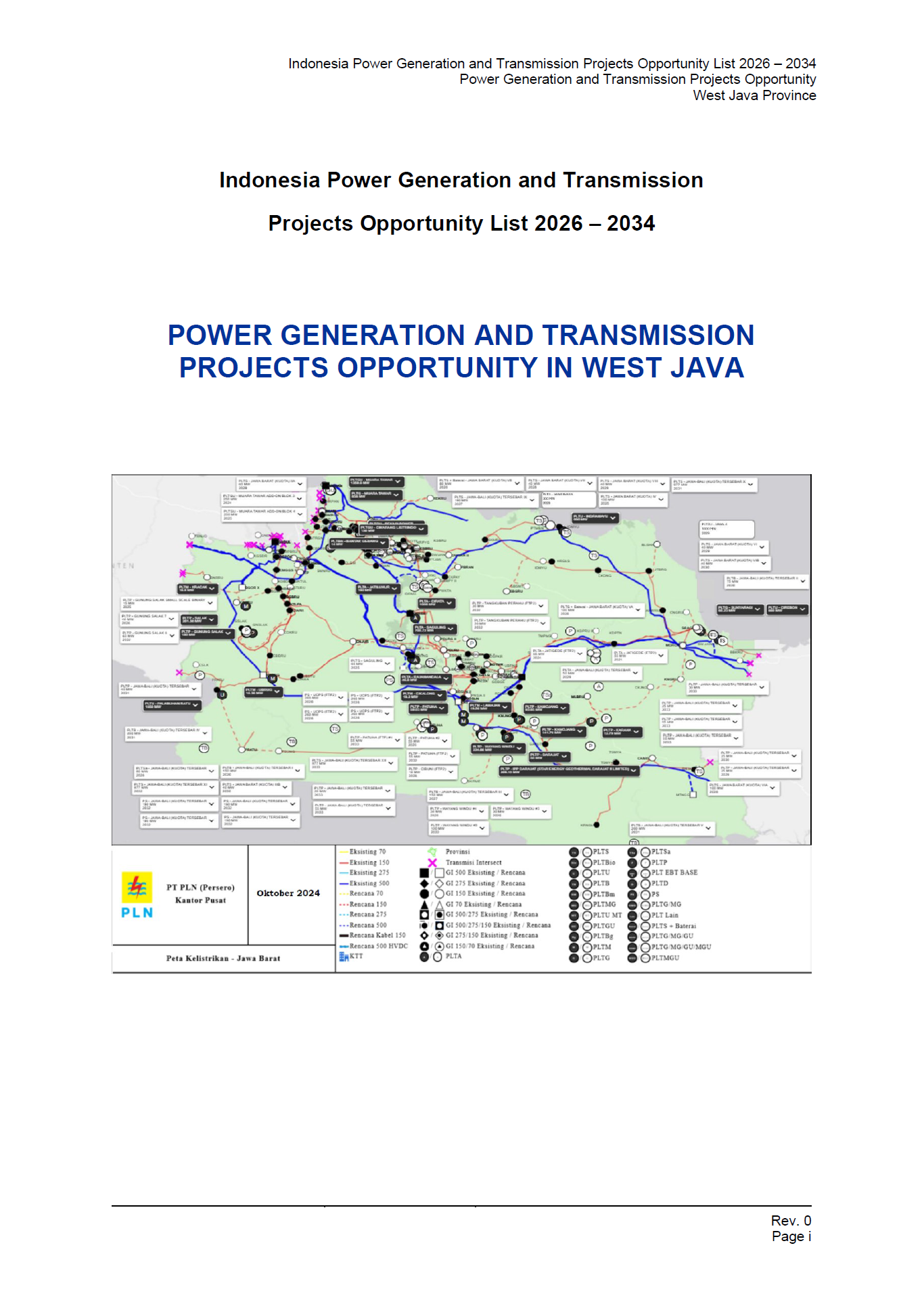
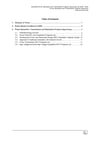
Our report addresses these challenges head-on. It begins with a thorough glossary of terms, ensuring even newcomers understand key acronyms like PLTP (Geothermal Power Plant) or SUTET (Extra High Voltage Overhead Lines). We then delve into the current power system conditions as of 2025, mapping out existing infrastructure connected to 500 kV and 150 kV grids. This sets the stage for the core content: a exhaustive analysis of power generation, transmission, and distribution projects.
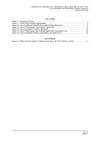
In the power plant section, you'll find Table 3-1 listing 75 projects, complete with electricity system names, plant types (from PLTGU gas combined cycles to PLTS solar farms), locations, capacities (ranging from 2 MW mini-hydros to 1,000 MW giants), target Commercial Operation Dates (COD) under RE Base and ARED scenarios, statuses (plan, procurement, construction, exploration), and developers (PLN, IPPs, or subsidiaries). We also cover additional renewable potentials in Table 3-2 providing untapped avenues for early movers.
The report's emphasis on renewable quotas is particularly valuable. Section 3.3 explains how EBT capacity is allocated to integrate seamlessly into the Java-Madura-Bali grid, with criteria like feasibility studies, pricing compliance, funding readiness, and grid studies. This ensures projects are viable, helping you avoid pitfalls and focus on bankable opportunities. Alignment with demand growth (Section 3.4) ties generation additions to high-priority industrial consumers, while detailing new gas-fired plants with dual-fuel capabilities for reliability.
Transmission enthusiasts will revel in the EPC prospects. Table 3-3 details 205 transmission line projects, specifying routes, voltages, scopes, lengths, CODs, and statuses. These projects enhance grid resilience and enable renewable evacuation. Substation developments in Table 3-4 cover 309 initiatives, including new 500/150 kV GITETs with capacities up to 2,000 MVA, extensions, and uprates, totaling 18,220 MVA. Capacitors and reactors for voltage support are highlighted, ensuring system stability.
For inter-island synergy, Sections on the Sumatra-Java Interconnection (ISJ) outline associated lines (140 km total) and substations (1,120 MVA), facilitating energy transfers from Sumatra's baseload renewables to Java's load centers. This positions West Java as a key node in Indonesia's Green Enabling Super Grid.
West Java's stands out for its balance of risk and reward. The province's resources, 564 million barrels of oil, 1,691 BCF natural gas, and vast renewables, align perfectly with global decarbonization trends. Our report isn't generic; it's a market study distilled into actionable intelligence, promoting opportunities that could yield ROIs through PPA contracts, EPC bids, or investments.