

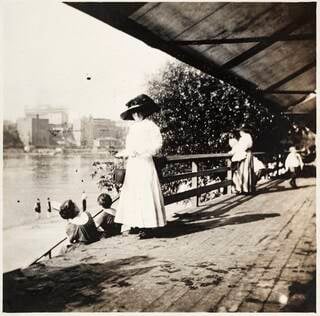
St. Paul's Harriet Island
On Sale
$2.99
$2.99
Before it was a park, it was Wakan Wita—an island of spirits. This long-form historical narrative traces the dramatic evolution of St. Paul’s riverfront crown jewel, from its ancient Dakota roots to its modern rebirth as a regional gathering place.
More than just a timeline of a park, this article explores the intersection of indigenous displacement, the radical "German Bath Culture" of a visionary doctor, and the industrial decay that nearly turned an urban oasis into a permanent cesspool.
Inside the Research:
- The Sacred Origins: Reclaim the history of Wakan Wita and learn how a mistranslation by settlers turned a "Sacred Island" into "Devil's Island."
- The Ohage Vision: Meet Dr. Justus Ohage, the health commissioner who mortgaged his own home to build a "Sanitary Sanctuary" that hosted 400,000 visitors a year while declaring war on the city's saloon culture.
- The "Island in Name Only": Discover the engineering feats—and failures—that saw the Mississippi river channel filled with sludge, permanently tethering the island to the mainland.
- The Wigington Legacy: A look at the architectural genius of Clarence "Cap" Wigington, the nation’s first African American municipal architect, whose limestone pavilion saved the park’s civic character during its darkest years.
- The Modern Rededication: How the 21st century brought a $15 million restoration and a return of Dakota ceremonies to the riverbank, finally honoring the land's original identity.
What You Get:
- Original Scholarship: A deep-dive narrative compiled from archival maps, 19th-century city records, and the personal declarations of Dr. Justus Ohage.
- Atmospheric Narrative: A compelling journey through time—from the Treaty of 1837 to the catastrophic Flood of 1965 and the millennium revitalization.
- Digital Format: High-quality PDF, professionally formatted and optimized for reading on tablets, e-readers, or desktop.
Support Independent History
Your purchase directly funds the Minnesota Then project. By buying this article, you are supporting original archival research and the preservation of the complex, often-forgotten narratives that shaped the North Star State. Help us keep the past present.