
What to Expect From a Hair Loss Consultation
Introduction
Hair loss is a common yet often distressing experience that affects people across age groups and genders. Whether it develops gradually or appears suddenly, changes in hair density or pattern can have both physical and psychological implications. A hair loss consultation is typically the first structured step toward understanding what’s happening and identifying appropriate management options. Rather than being a quick transactional visit, a well-conducted consultation is a detailed clinical assessment that aims to uncover underlying causes, discuss evidence-based treatments, and set realistic expectations.
For many patients, uncertainty is the most difficult part—questions about whether hair will regrow, how long treatment might take, or whether the condition is permanent can weigh heavily. A consultation provides clarity, but it also requires preparation and an understanding of what will be discussed. This article outlines the key components of a hair loss consultation, the science behind common conditions, available treatments, and what patients should realistically expect from both the process and outcomes.
Understanding the Condition
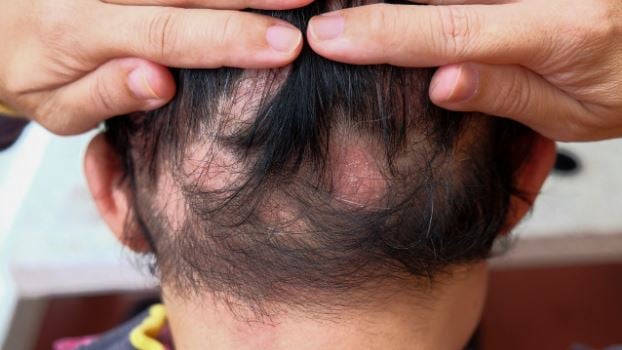
Hair loss is not a single diagnosis but a symptom with multiple possible causes. During a consultation, clinicians aim to differentiate between types of hair loss, as treatment depends heavily on the underlying condition. Common categories include androgenetic alopecia (pattern hair loss), telogen effluvium (temporary shedding), and autoimmune conditions such as alopecia areata.
A detailed medical history is central to this process. Patients are typically asked about the onset and progression of hair loss, family history, recent illnesses, stress levels, medications, and nutritional status. Even factors like rapid weight loss or hormonal changes—such as those following pregnancy—can be relevant. The goal is to identify triggers or contributing factors rather than focusing solely on visible symptoms.
Physical examination often includes scalp assessment using dermoscopy, a tool that magnifies the scalp and hair follicles. This helps identify patterns such as miniaturization of hair follicles or inflammation, which can indicate specific diagnoses. In some cases, additional tests like blood work may be recommended to rule out deficiencies (such as iron or vitamin D) or hormonal imbalances.
Patients are sometimes surprised to learn that not all hair loss is permanent. Conditions like telogen effluvium may resolve once the underlying cause is addressed. On the other hand, genetic hair loss tends to be progressive and requires ongoing management. Understanding this distinction early helps shape realistic expectations and reduces unnecessary anxiety.
Modern Treatment Approaches
Treatment strategies for hair loss have evolved significantly, with a growing emphasis on personalized care. During a consultation, clinicians typically outline a range of options based on diagnosis, severity, and patient preference. These may include medical, procedural, and supportive therapies.
Topical treatments such as minoxidil remain a cornerstone for many types of hair loss, particularly androgenetic alopecia. Oral medications, including finasteride or other hormone-modulating therapies, may also be discussed for suitable candidates. These treatments aim to slow progression and, in some cases, promote regrowth, but they require consistent use and monitoring.
For autoimmune conditions like alopecia areata, treatment may involve corticosteroids, either applied topically, injected into the scalp, or taken systemically in more severe cases. Emerging therapies, such as JAK inhibitors, are also gaining attention in specialist settings. Patients seeking alopecia areata treatment london may encounter clinics offering these newer options, but it’s important to evaluate them within the context of clinical evidence and individual suitability rather than marketing claims.
Procedural treatments such as platelet-rich plasma (PRP) therapy and low-level laser therapy (LLLT) are also frequently discussed. While some studies suggest benefits, results can vary, and these approaches are often considered adjuncts rather than standalone solutions. Hair transplantation may be an option for advanced pattern hair loss, but it is typically recommended only after stabilizing the condition.
A key point emphasized during consultations is that no treatment offers instant results. Hair growth is a slow biological process, and most therapies require several months before visible changes occur. This timeline is essential for managing expectations and ensuring adherence.
Patient Considerations
A hair loss consultation is not just about diagnosis and treatment—it’s also about aligning medical recommendations with patient priorities, lifestyle, and concerns. Different individuals may have very different goals: some may prioritize regrowth, while others focus on preventing further loss or improving cosmetic appearance.
Emotional well-being is an important but sometimes overlooked aspect. Hair loss can affect self-esteem and social confidence, and patients may arrive feeling anxious or frustrated. A thorough consultation should acknowledge these concerns and provide reassurance without making unrealistic promises. Clear communication about what is achievable—and what is not—is a hallmark of responsible care.
Practical considerations also play a role. Treatments vary in cost, frequency, and commitment. For example, topical therapies require daily application, while procedural options may involve repeated clinic visits. Patients need to consider whether a treatment plan is sustainable in the long term, as discontinuation often leads to loss of any gained benefits.
Another critical factor is medical safety. Not all treatments are suitable for everyone. Certain medications may have contraindications based on age, gender, pregnancy status, or underlying health conditions. A responsible consultation includes a thorough discussion of potential side effects and monitoring requirements.
Patients are encouraged to ask questions and, if necessary, seek a second opinion. Hair loss management is rarely urgent, and taking time to make informed decisions can lead to better outcomes and greater satisfaction.
Recovery & Expectations
Unlike many medical procedures, most hair loss treatments do not involve a traditional recovery period. However, they do require patience and consistency. One of the most common misconceptions is expecting rapid or dramatic regrowth within weeks. In reality, hair cycles mean that noticeable improvements typically take three to six months, with full effects often taking up to a year.
Some treatments may initially cause increased shedding, which can be alarming but is often a temporary phase indicating that new hair growth is beginning. Understanding this possibility in advance can help prevent unnecessary concern and discontinuation of therapy.
Side effects vary depending on the treatment. Topical medications may cause scalp irritation, while oral treatments can have systemic effects that need monitoring. Procedural therapies like PRP may involve mild discomfort or temporary redness at the injection site but generally have minimal downtime.
It’s also important to recognize the limitations of treatment. Not all hair loss can be reversed, and even effective therapies may result in partial rather than complete regrowth. The goal is often to improve density, slow progression, and enhance overall appearance rather than restore hair to its original state.
Follow-up appointments are typically part of the process, allowing clinicians to assess progress, adjust treatments, and address any concerns. This ongoing relationship is crucial, as hair loss management is often a long-term commitment rather than a one-time intervention.
Conclusion
A hair loss consultation is a comprehensive and individualized process that goes far beyond a simple diagnosis. It combines clinical assessment, patient education, and collaborative decision-making to create a tailored management plan. By understanding the causes of hair loss, exploring evidence-based treatments, and setting realistic expectations, patients can approach the process with greater confidence and clarity.
While modern treatments offer a range of options, there is no universal solution. Outcomes depend on the type of hair loss, the timing of intervention, and adherence to the chosen plan. A thoughtful, well-informed consultation lays the foundation for effective management and helps patients navigate what can otherwise feel like a complex and uncertain journey.
FAQ
1. How long does a hair loss consultation usually take?
A typical consultation lasts between 30 to 60 minutes, depending on the complexity of the case. This allows time for a detailed history, scalp examination, and discussion of potential treatment options.
2. Do I need tests during my first consultation?
Not always. Many diagnoses can be made clinically, but blood tests or other investigations may be recommended if an underlying condition is suspected.
3. Can hair loss be completely reversed?
It depends on the cause. Temporary conditions like telogen effluvium may fully resolve, while genetic hair loss is usually managed rather than cured.
4. Are hair loss treatments safe?
Most treatments are safe when used appropriately under medical supervision. However, each option has potential side effects, which should be discussed during the consultation.
5. When should I seek a hair loss consultation?
It’s advisable to seek evaluation if you notice persistent shedding, thinning, or patchy hair loss. Early assessment can improve the chances of effective management.