
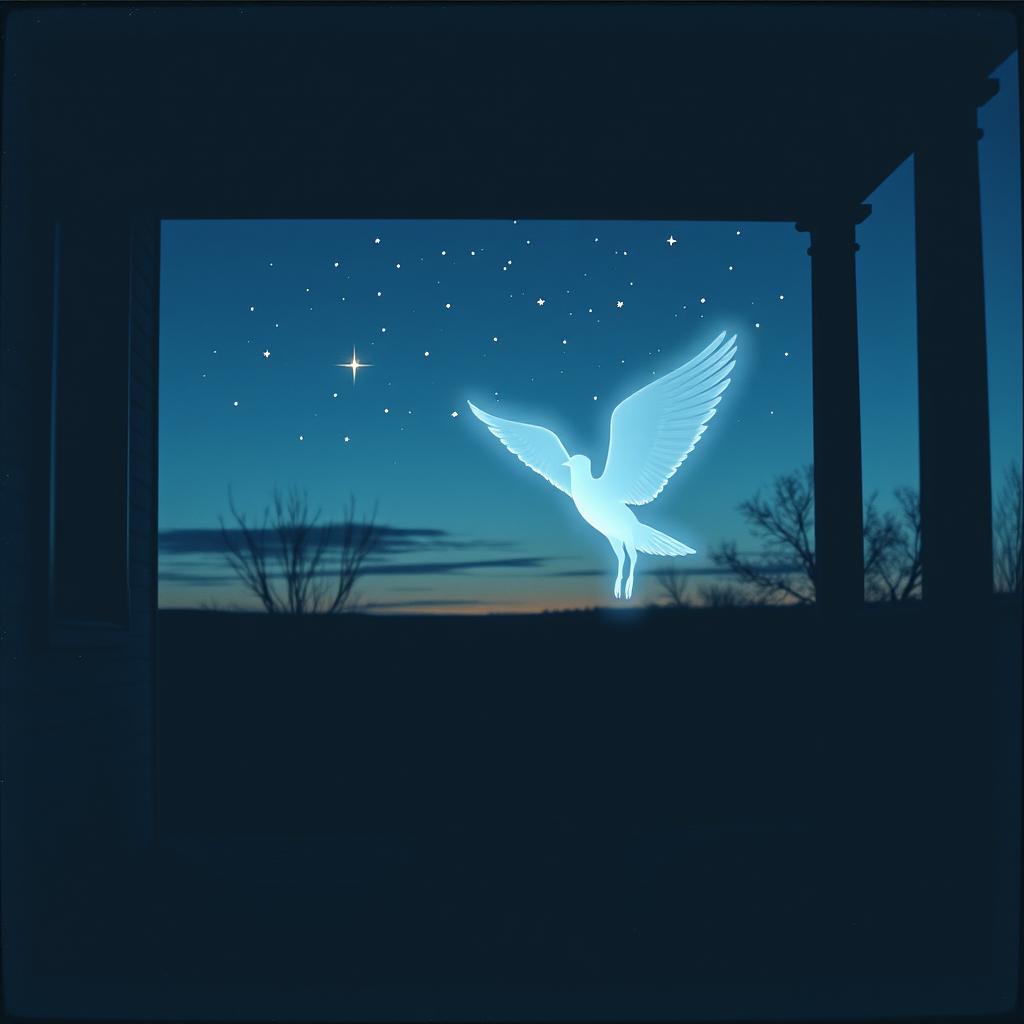
Troubled Spirit
This poem unfolds in the quiet stillness of night, a moment where grief, memory, and emotion surface most strongly. The speaker lies awake in darkness, reflecting on the loss of a loved one who has just passed. Death here is not portrayed with fear, but with rest and release—“a welcome rest”—suggesting peace after a troubled life.
As the poem progresses, the presence of the departed loved one is felt spiritually rather than physically. The speaker senses them nearby, blurring the line between dream and reality. This creates a tender moment where unsaid words finally find voice, even if only in the heart.
The central portion of the poem becomes a confession—spoken as if by the one who has passed. It is filled with remorse, regret, and acknowledgment of past harm. The lines reveal a history of pain, broken trust, and even violence, handled with honesty rather than justification. The speaker recognizes that love existed alongside fear and mistakes, and that peace came only through painful lessons learned too late.
The poem acknowledges one of life’s hardest truths: sometimes people cannot fully understand the damage they cause until it is irreversible. The metaphor of “not seeing the forest for the trees” reflects emotional blindness and the consequences that follow.
In the closing lines, the tone softens. Despite regret and sorrow, love remains. The departed reassures the living that they are not alone—that love endures beyond death. The stars become a symbol of connection, guidance, and remembrance, offering comfort rather than closure.
Key Themes
- Grief and mourning
- Unspoken words and regret
- Accountability and remorse
- Love beyond death
- Healing through remembrance
Overall Meaning
This poem is about unfinished conversations, the kind that linger after loss. It gives voice to apology, forgiveness, and love that could not be fully expressed in life. Rather than seeking absolution, the poem offers understanding—reminding the reader that love, even imperfect love, does not disappear with death.
It speaks to anyone who has lost someone complicated, where love and pain coexisted, and where healing comes slowly through reflection and remembrance.