
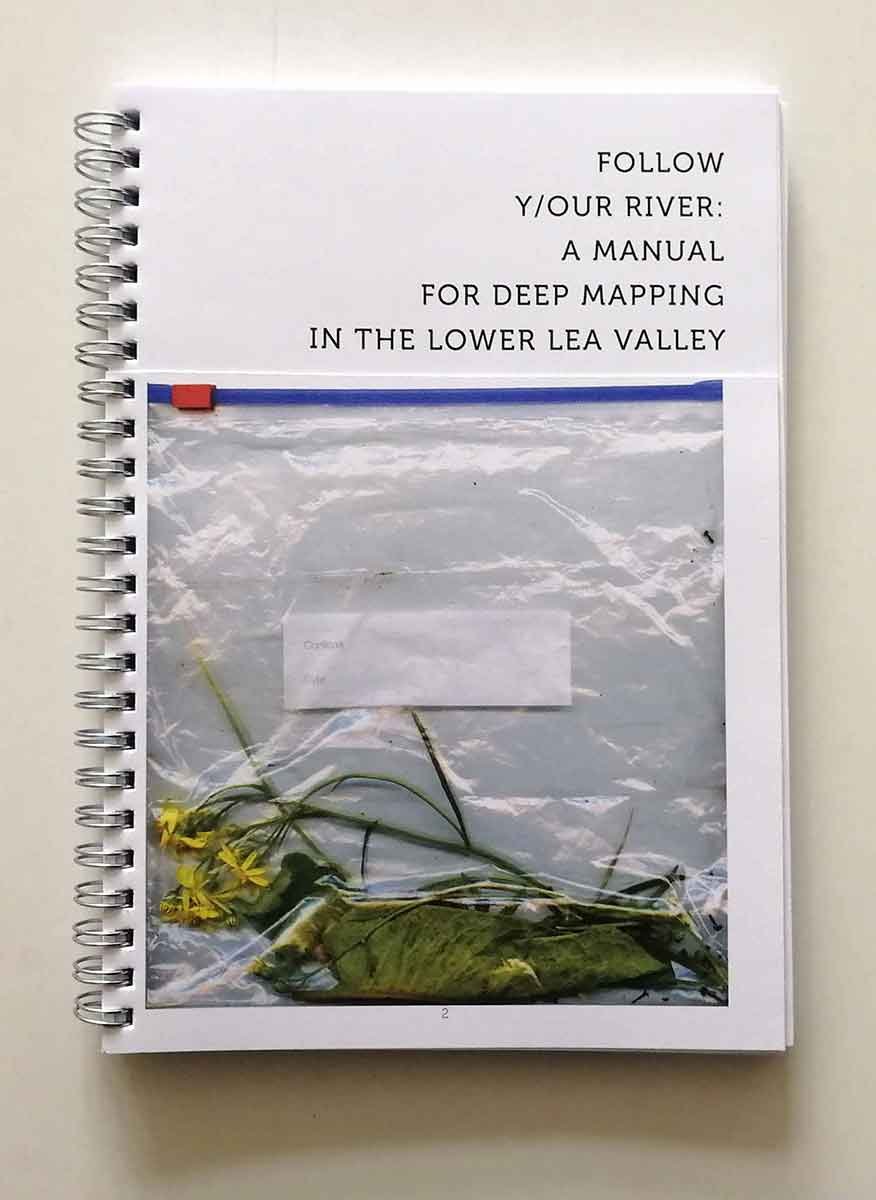
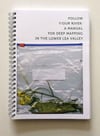
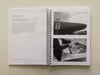

FOLLOW Y/OUR RIVER: A MANUAL FOR DEEP MAPPING IN THE LOWER LEA VALLEY
FOLLOW Y/OUR RIVER: A MANUAL FOR DEEP MAPPING IN THE LOWER LEA VALLEY
AUTHORS: paula roush and tamara stoll with Y2 Photography at School of Arts & Creative Industries at London South Bank University
EDITORIAL DESIGN: paula roush + tamara stoll
PHOTOGRAPHY AND ARTWORK: Abbie Collom, Alex Gafney, Amy Morgan, Desislava Doneva, Elizabeth Hogan, Eloise Gallimore, Isaac Firby, Jennifer Civera, Jo Webb, Massi Montford, Megan Wilkinson, Neo Hookey, Sohail Ehsan, Stéfan Weil, Tilly Edgley, paula roush and tamara stoll
FORMAT: Instructional manual
PAGES: 124
PUBLICATION LICENSE: Creative Commons (CC BY-NC-SA 4.0)
ISBN: 978-1-7390996-5-7
RELEASE DATE: 2022
PUBLISHER: msdm publications + road less travelled press
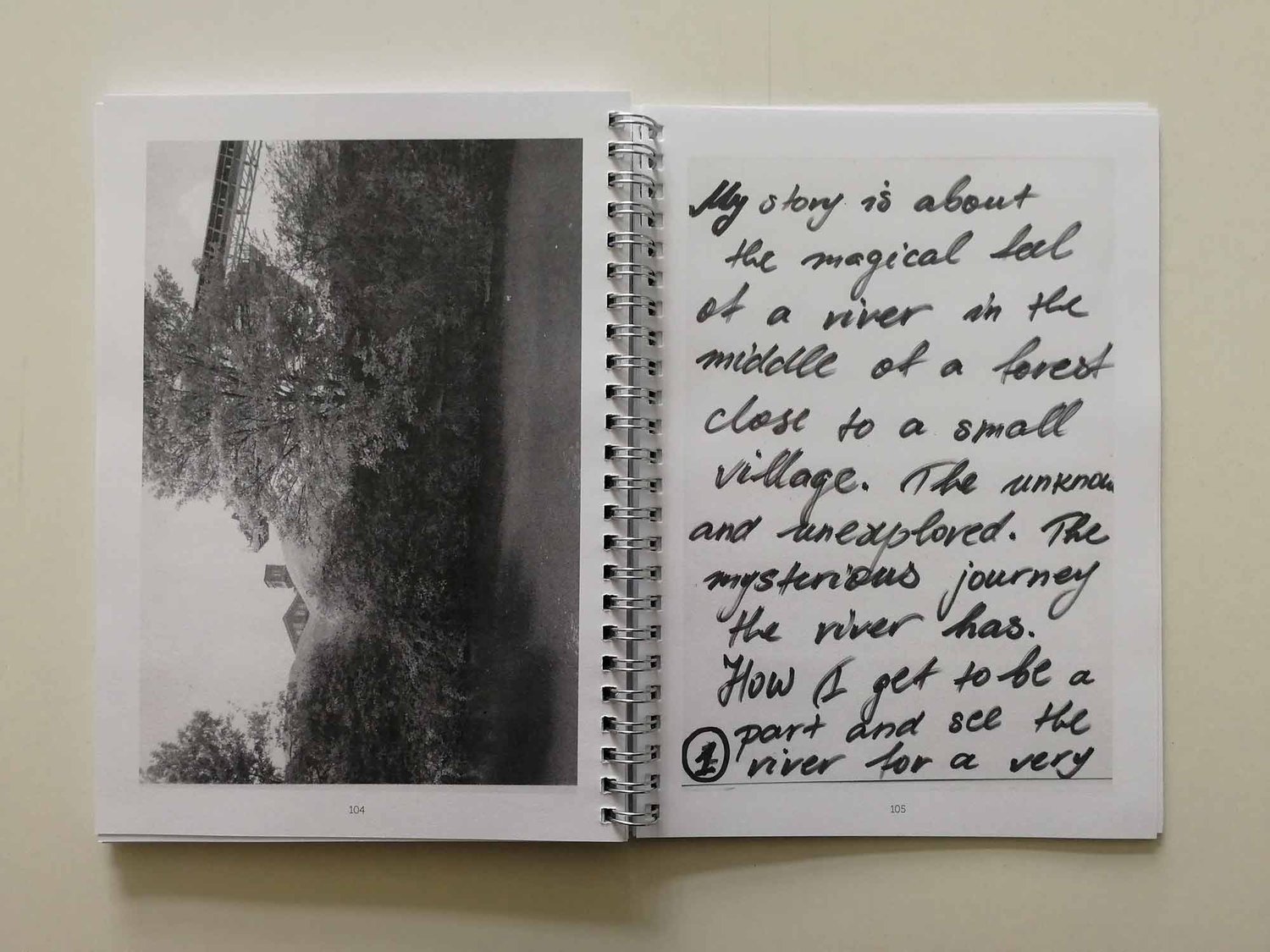
“Follow y/our river” is a research project that explores the relationship between people and watery landscapes. In the autumn of 2022, four years after we first met at the river Lea Bow Locks, which is where the msdm publications studio was situated, Tamara and I (paula) undertook a self-initiated artist residency along the Lea Valley. During this period, we engaged in dialogue with various manifestations of the river Lea, which presented an opportunity for us to explore new research and form connections along the fluid geography of the Lea Valley. Its timeline spans from ancient water sources and industrial waterways to contemporary urban hydro-spectacles, reflecting humanity’s changing relationship with water over time, from a deity to a resource, from common use to private commodity.
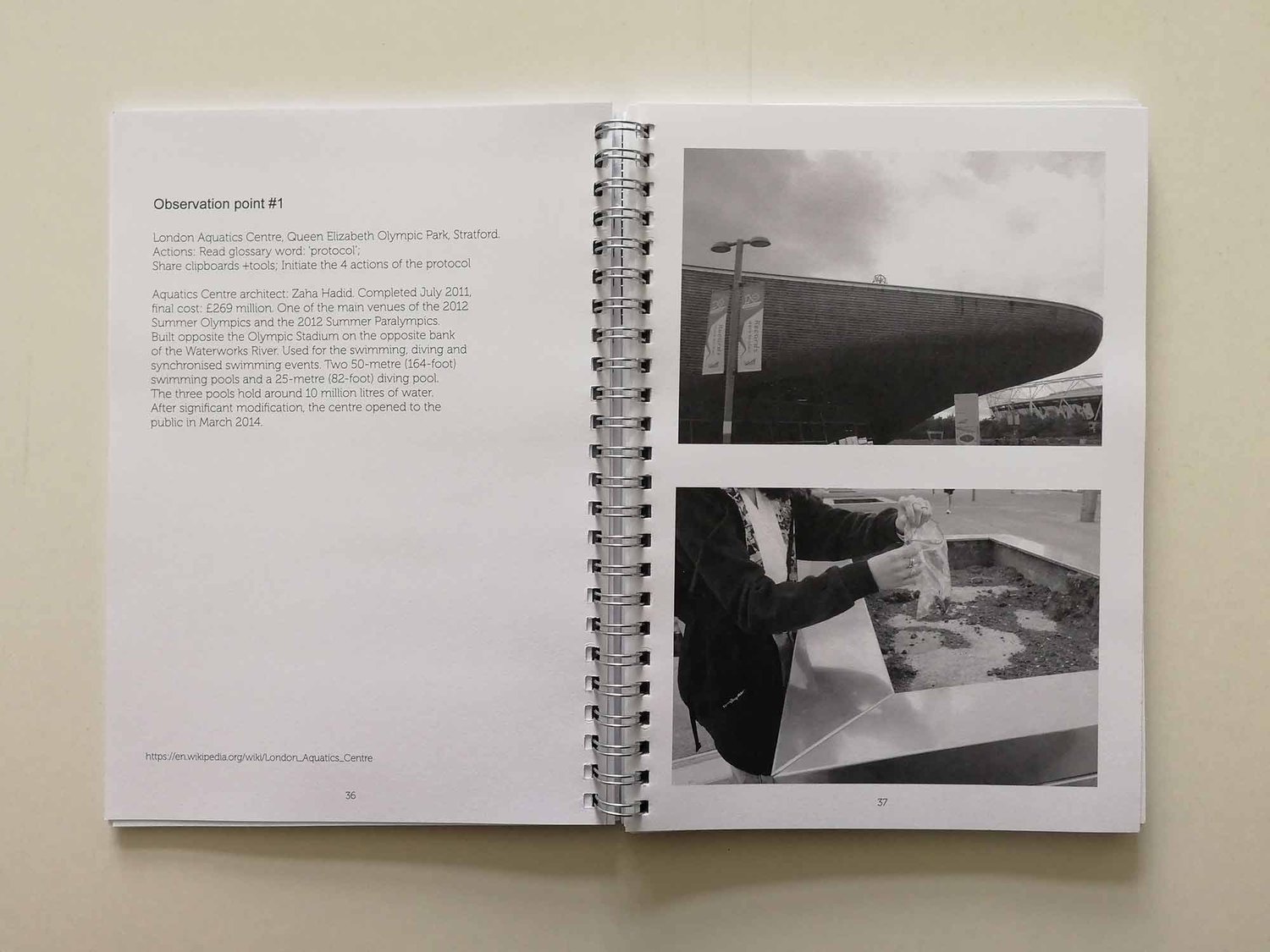
As part of our photography group’s teaching, Tamara and I partnered with the river Lea and the lower Lea Valley as our classroom site for a transdisciplinary approach to landscape photography and to invite our students to discover our river or their own river. Our aim was to focus on the liminal edges of the river as spaces where urban and rural, human and non-human mix in a productive state of entanglement. To conduct fieldwork along the river using various approaches, such as photographic, geographical, ecological, and experiential methods, to develop a narrative about the Lea Valley
https://youtu.be/vPQt2aWZYaE?si=uId75h7DBM_-DE1N