
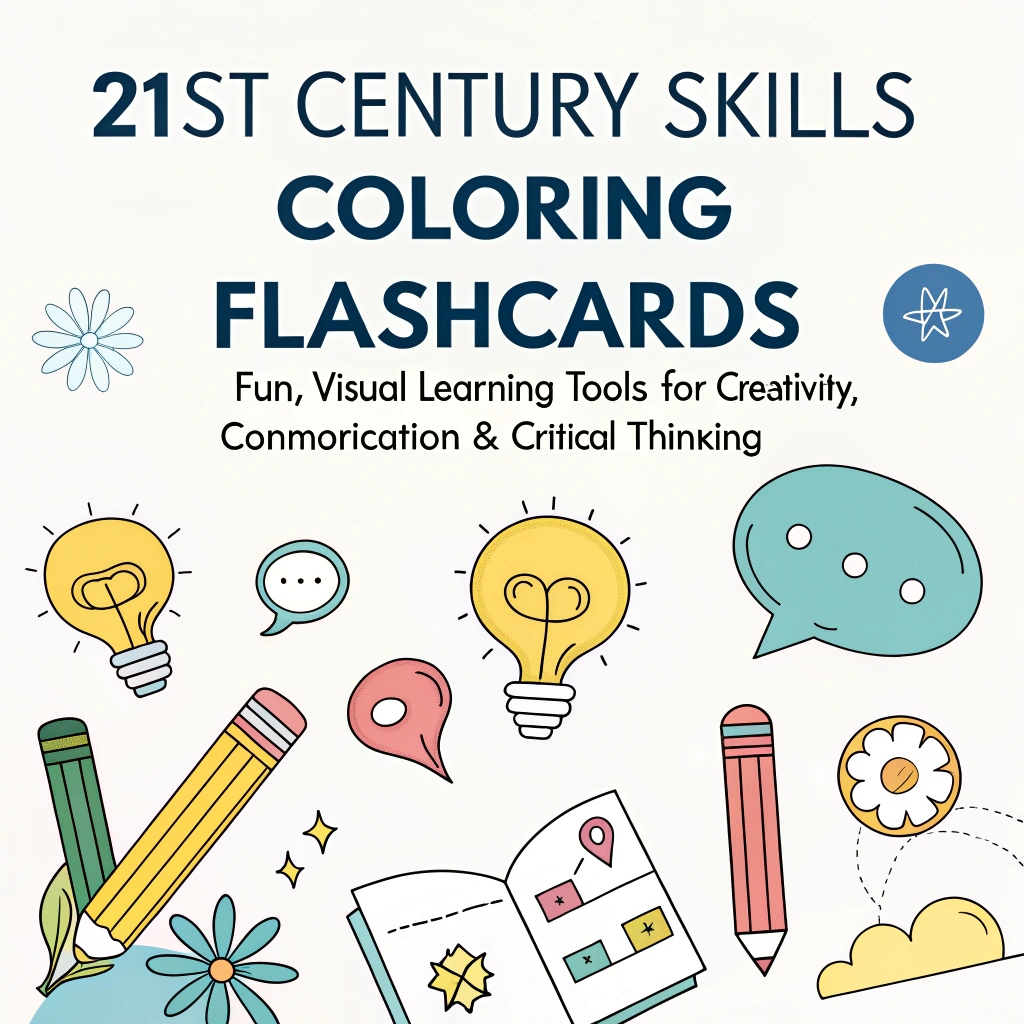
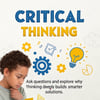
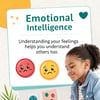
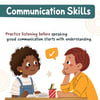
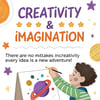
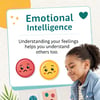
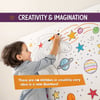
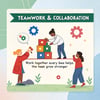
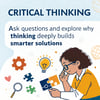
21st Century Skills Coloring Flashcards)
21st Century Skills Colored Flashcards
25 Ready-to-Use Illustrations & Teaching Tips
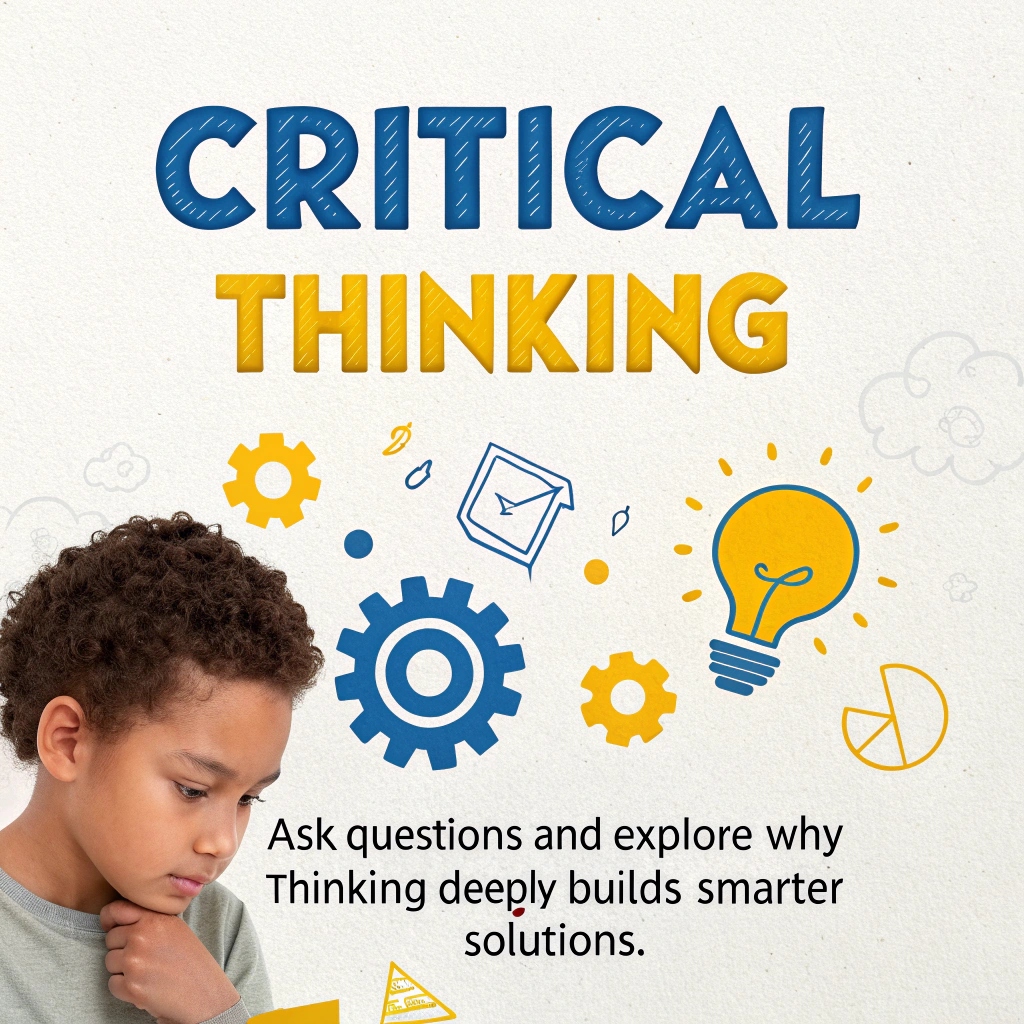
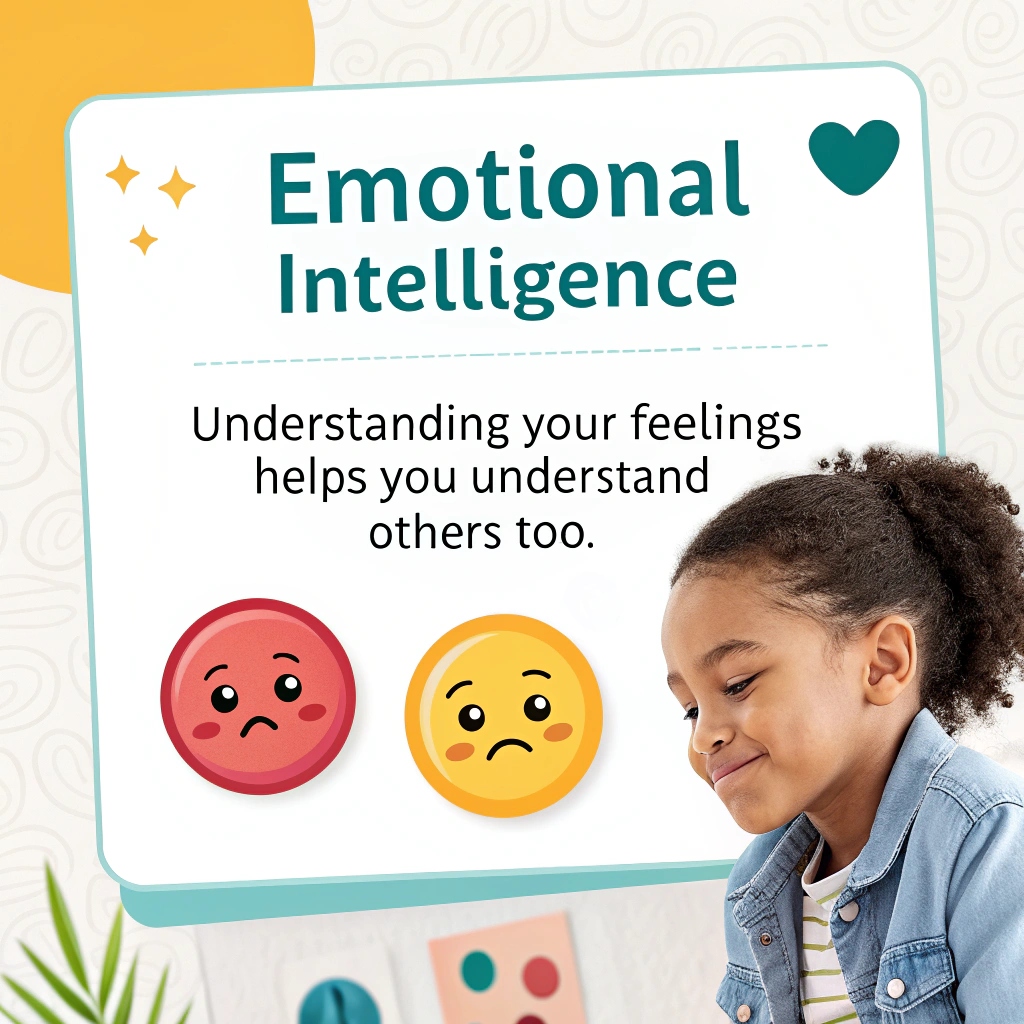
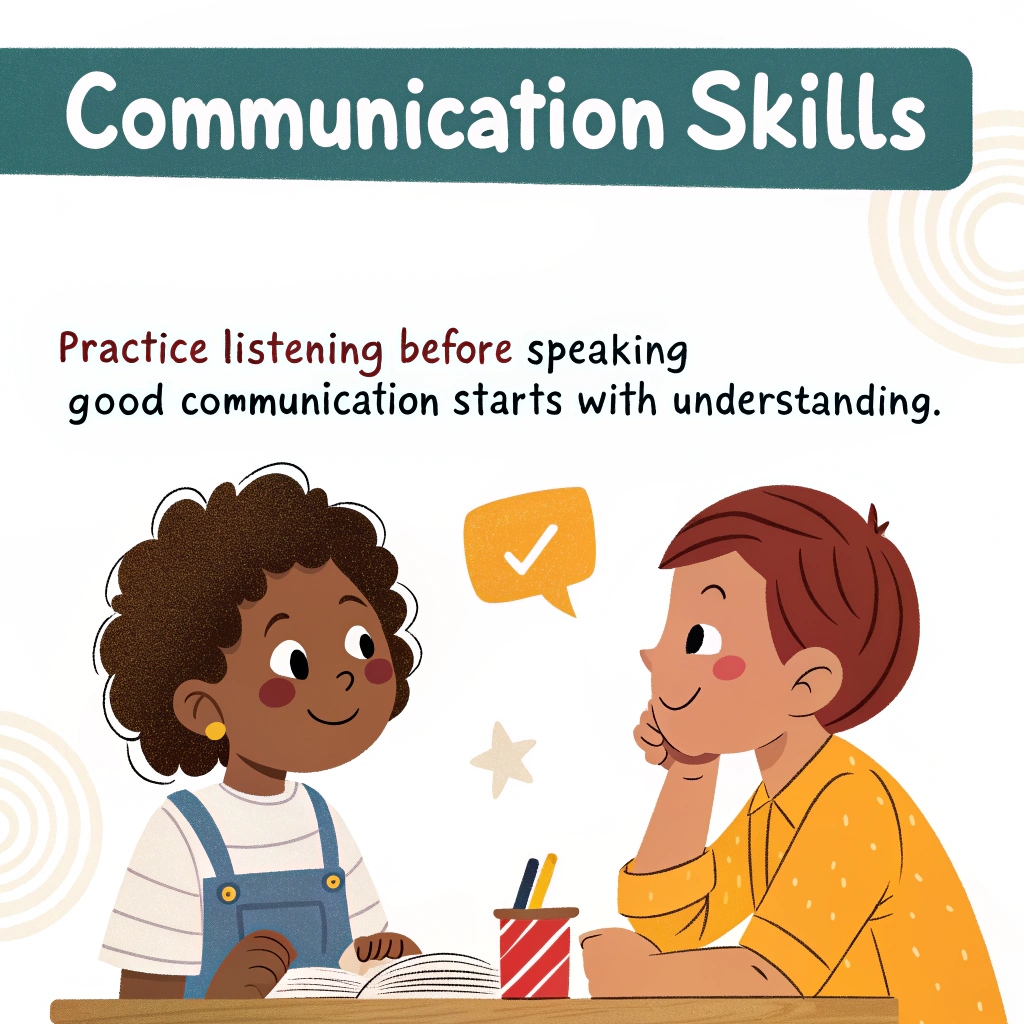
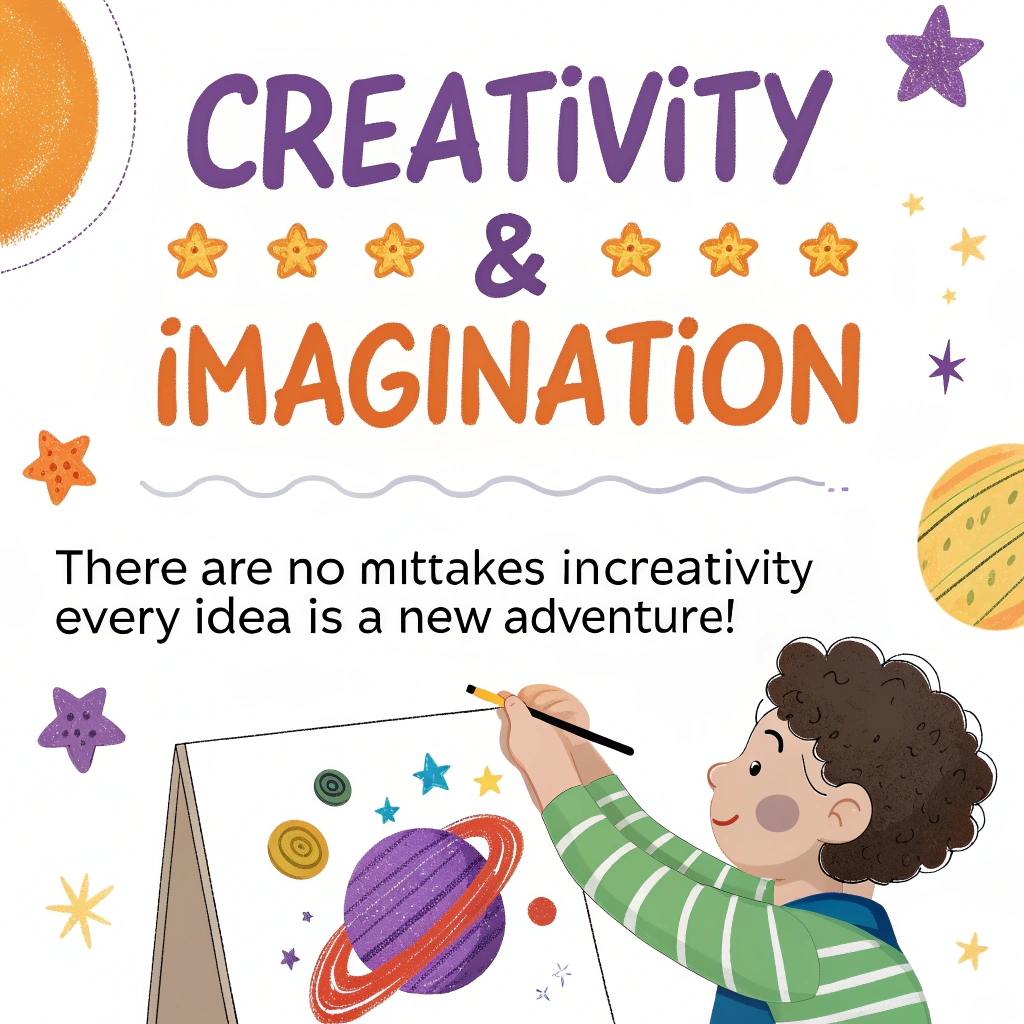
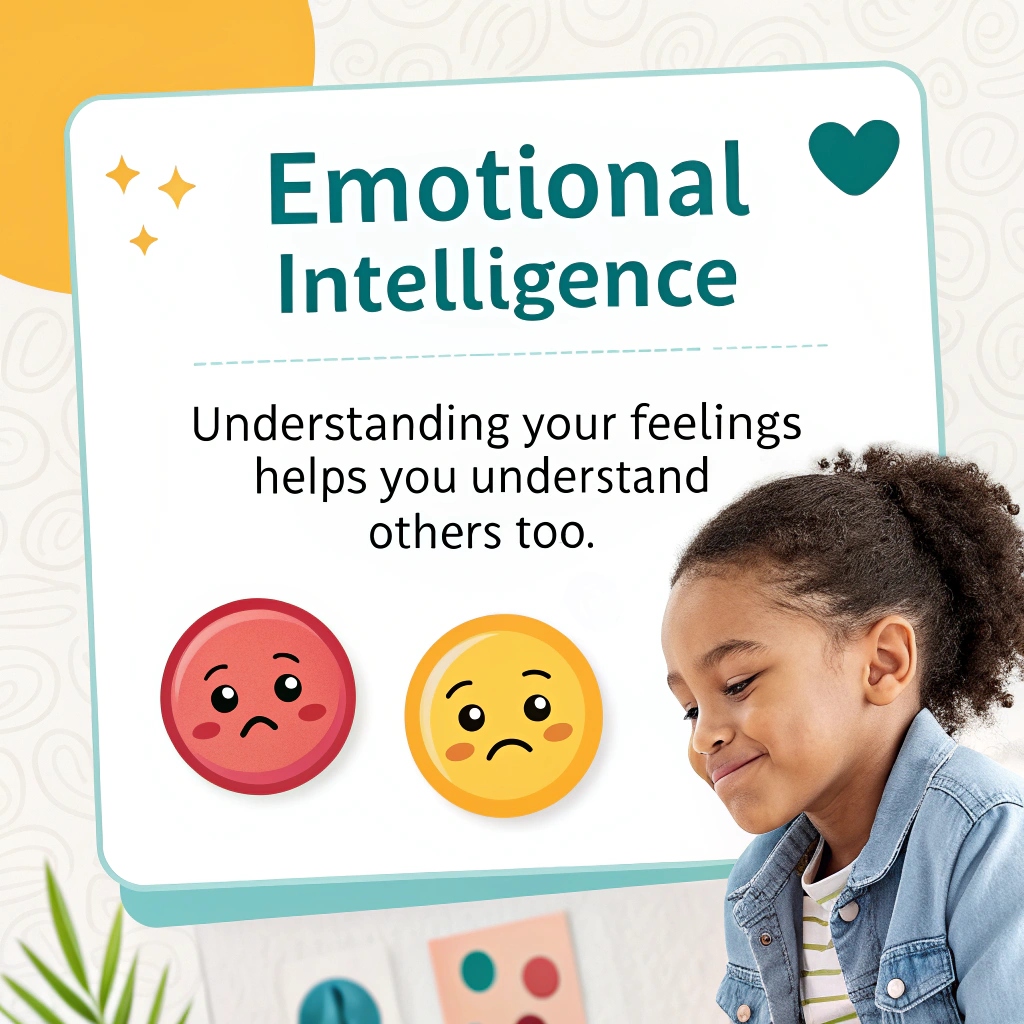
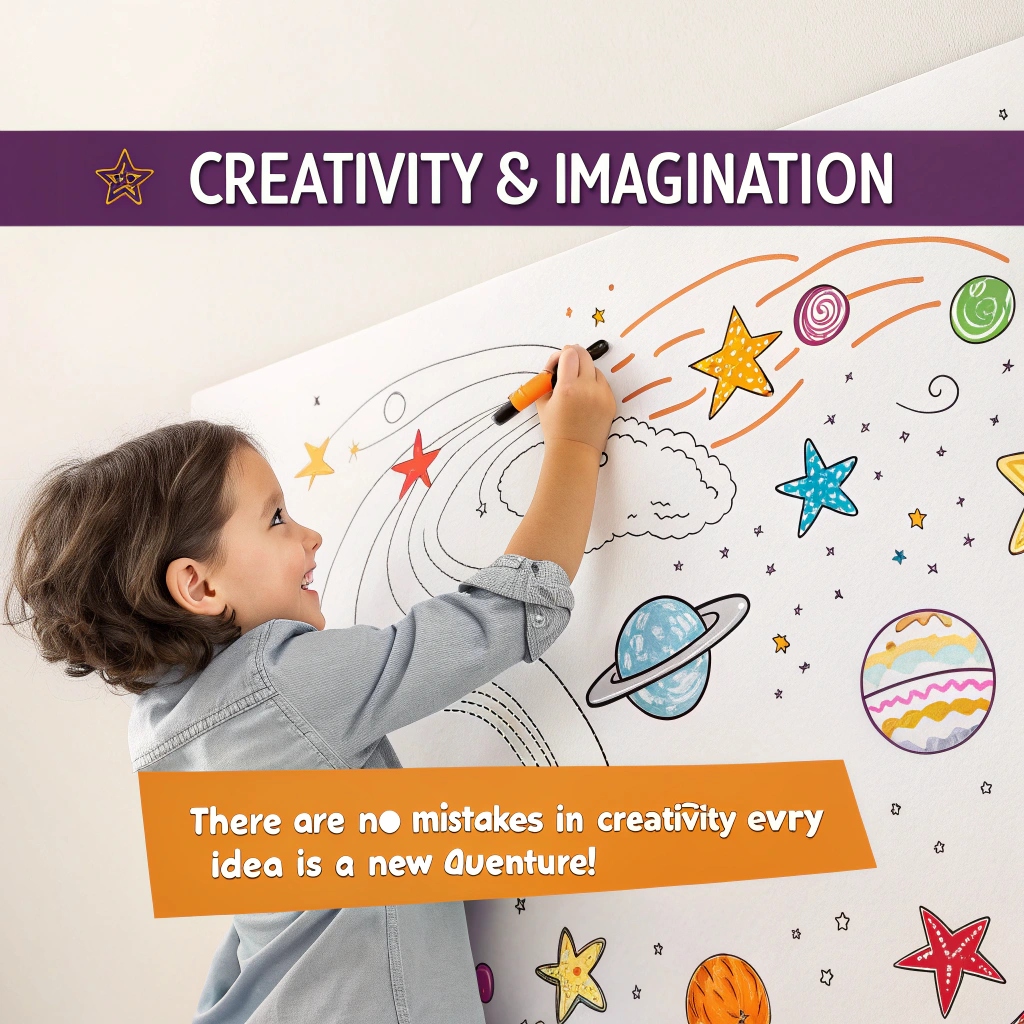
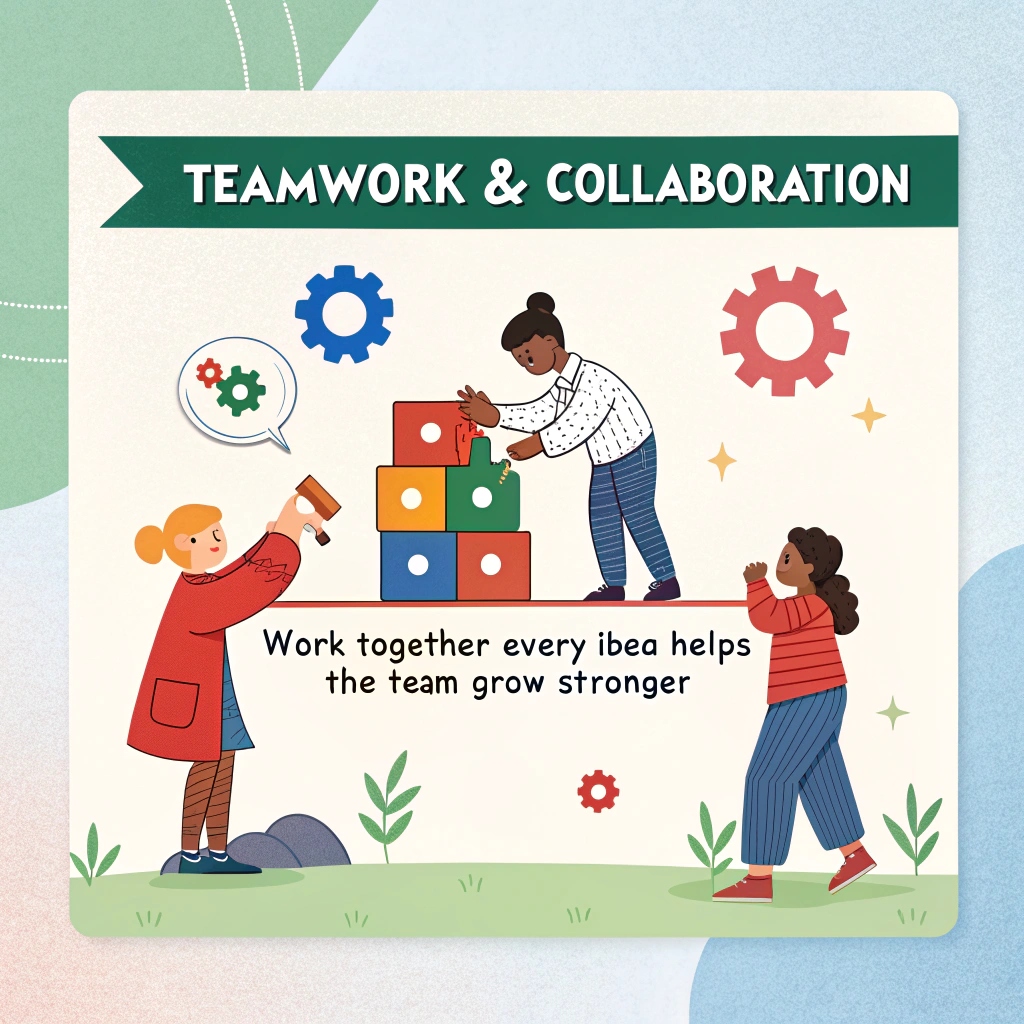
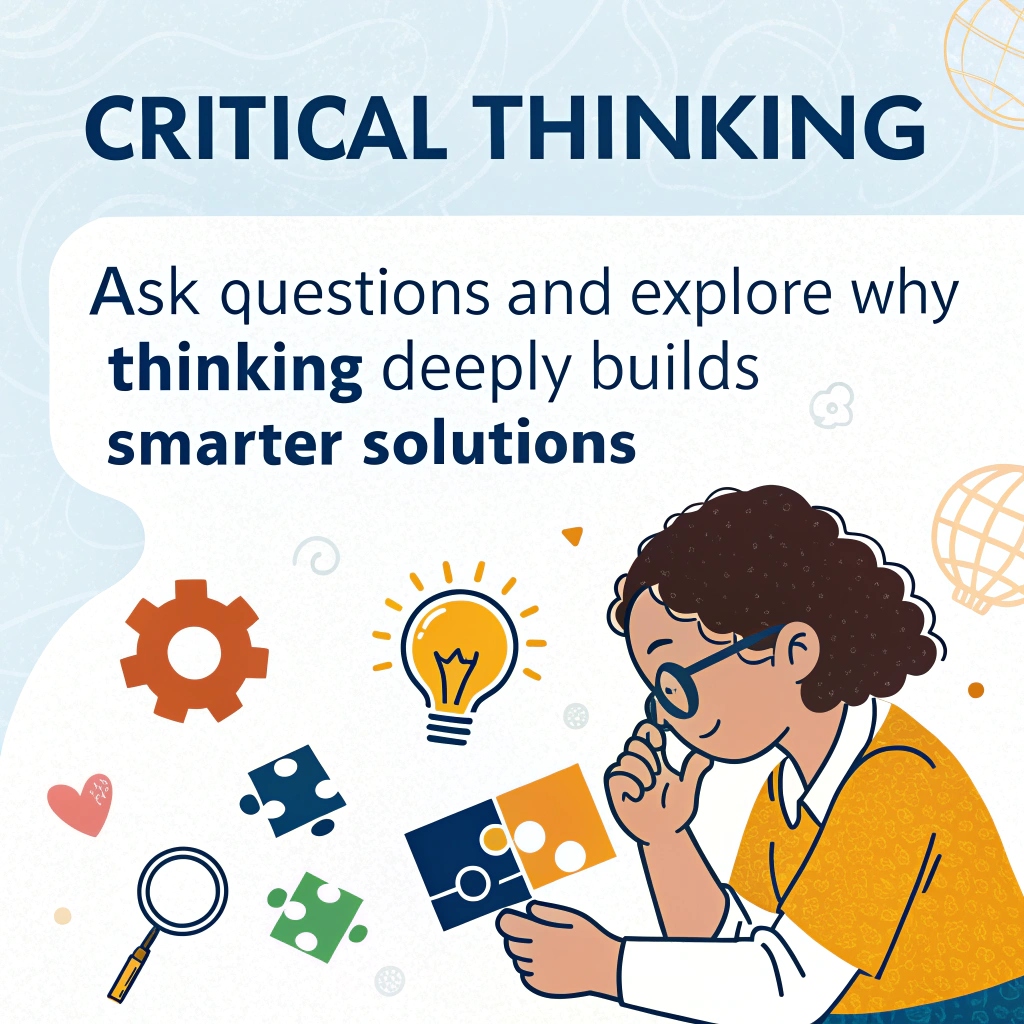
Introduce young learners to core 21st-century skills with this set of 25 full-color educational flashcards, each paired with a concise teaching tip. Designed for busy parents and educators, these printable, high-resolution cards make
concepts like communication, teamwork, creativity, empathy, problem-solving, and critical thinking easy to teach and practice. Perfect for classroom stations, homeschool lessons, circle time, or one-on-one coaching, the set is ready to print
or use digitally. Each card’s vivid illustration engages children while the included prompt helps adults guide meaningful conversations and activities that build real-world skills. Great for ages 4–10 and ideal for early social-emotional learning (SEL) and skills development.
Why These Flashcards Matter
Young children develop skills best through repeated, engaging practice. These colored flashcards translate abstract 21st-century competencies into simple, memorable visuals and short prompts — making essential life skills accessible and actionable at an early age.
Key Benefits
- Builds communication, teamwork, creativity, and critical thinking.
- Encourages social-emotional learning (empathy, self-awareness).
- Ready-to-use: printable or digital — no prep time.
- Versatile: one-on-one, small group, classroom, or homeschool use.
- Visually engaging to improve focus and retention.
How to Use (Step-by-step)
- Print & Prepare: Print on card stock, laminate if desired, and trim. Or display digitally on a tablet/screen.
- Introduce One Card/Day: Show the image, read the tip aloud, and invite responses.
- Practice Activity: Follow the prompt — role-play, draw, act out, or discuss scenarios.
- Reinforce Weekly: Revisit cards in short sessions (5–10 minutes) to build habit and mastery.
- Track Progress: Note skills practiced and celebrate small wins.
Advice for Parents & Teachers
- Keep sessions short and consistent. Repetition beats marathon lessons for young kids.
- Model the skill first. Children learn regulation and communication by watching adults.
- Turn tips into games. Use role-play, storytelling, or drawing to make prompts playful.
- Encourage reflection. Ask simple follow-ups: “How did that make you feel?” or “What could you try next time?”
- Adapt to the child. Simplify wording for younger kids or deepen questions for older children.