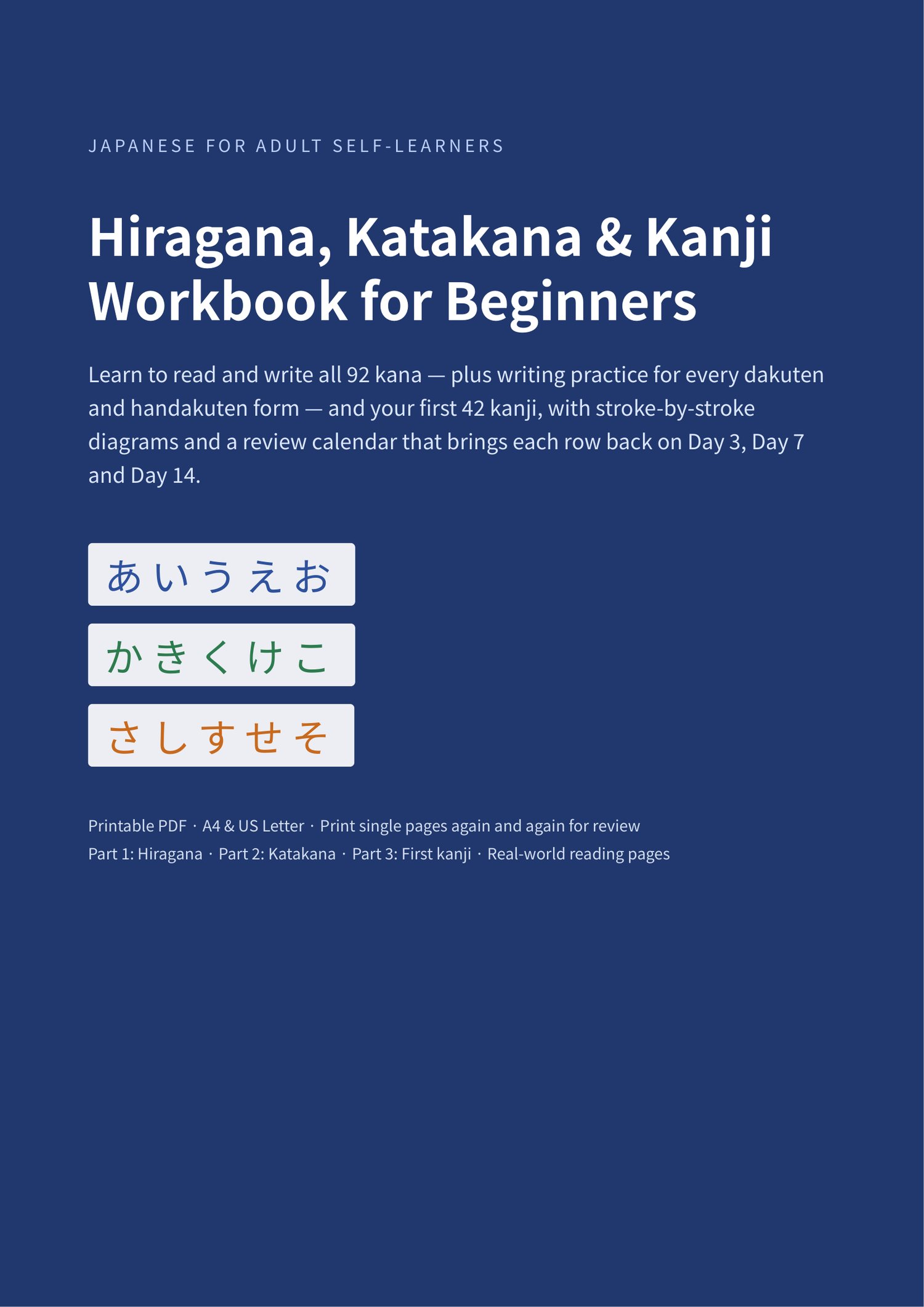

Hiragana, Katakana & Kanji Workbook for Beginners — Japanese Writing Practice with Your First 42 Kanji and a Built-In Review System — Printable PDF and Flashcards, A4 & US Letter
Learn all 92 kana and 42 beginner kanji — including full writing practice for every dakuten and handakuten form — and actually remember them, with a review calendar that tells you exactly what to revisit on Day 3, Day 7, and Day 14.
Stalled with an app or a textbook? This workbook picks up where they leave off.
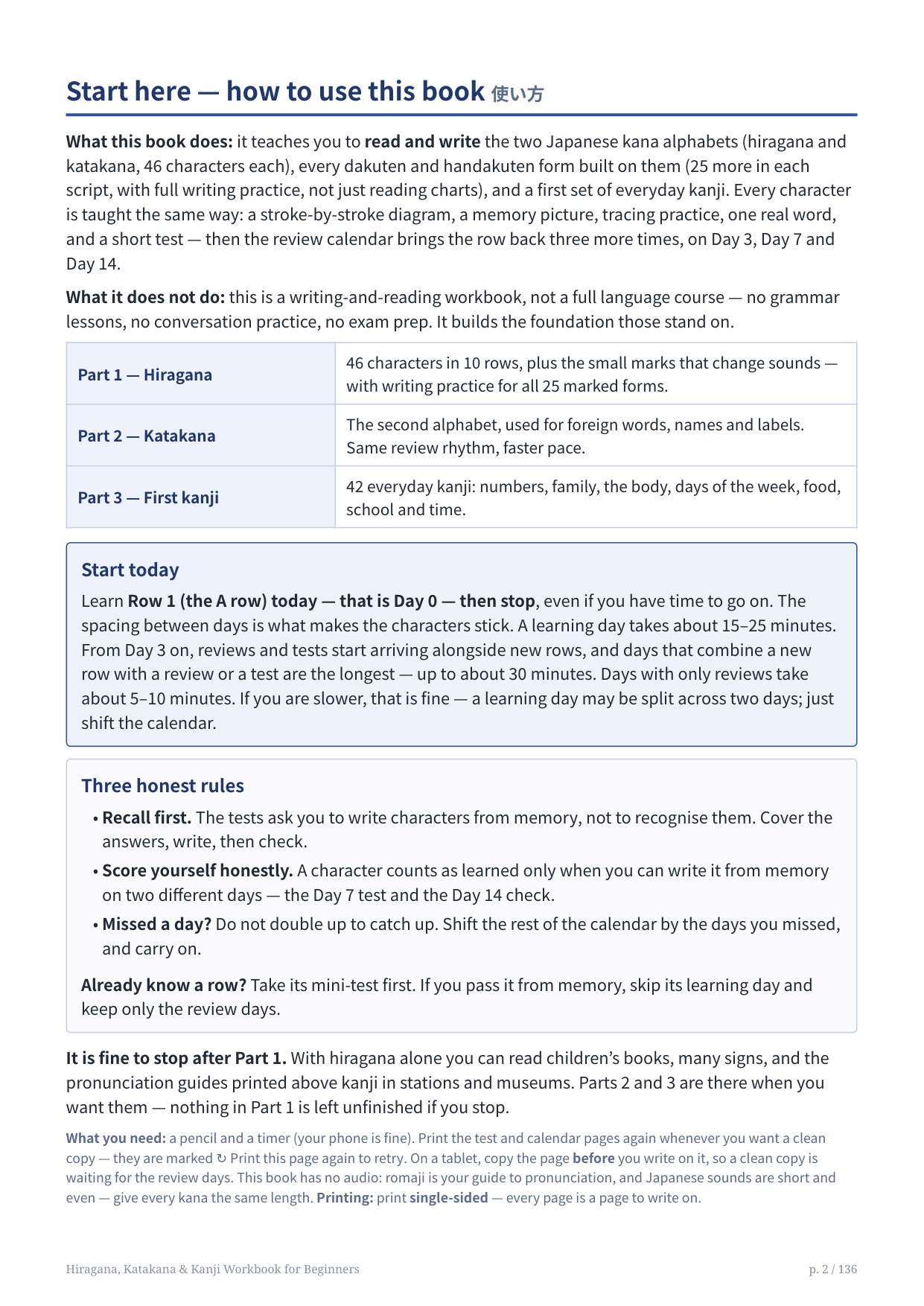
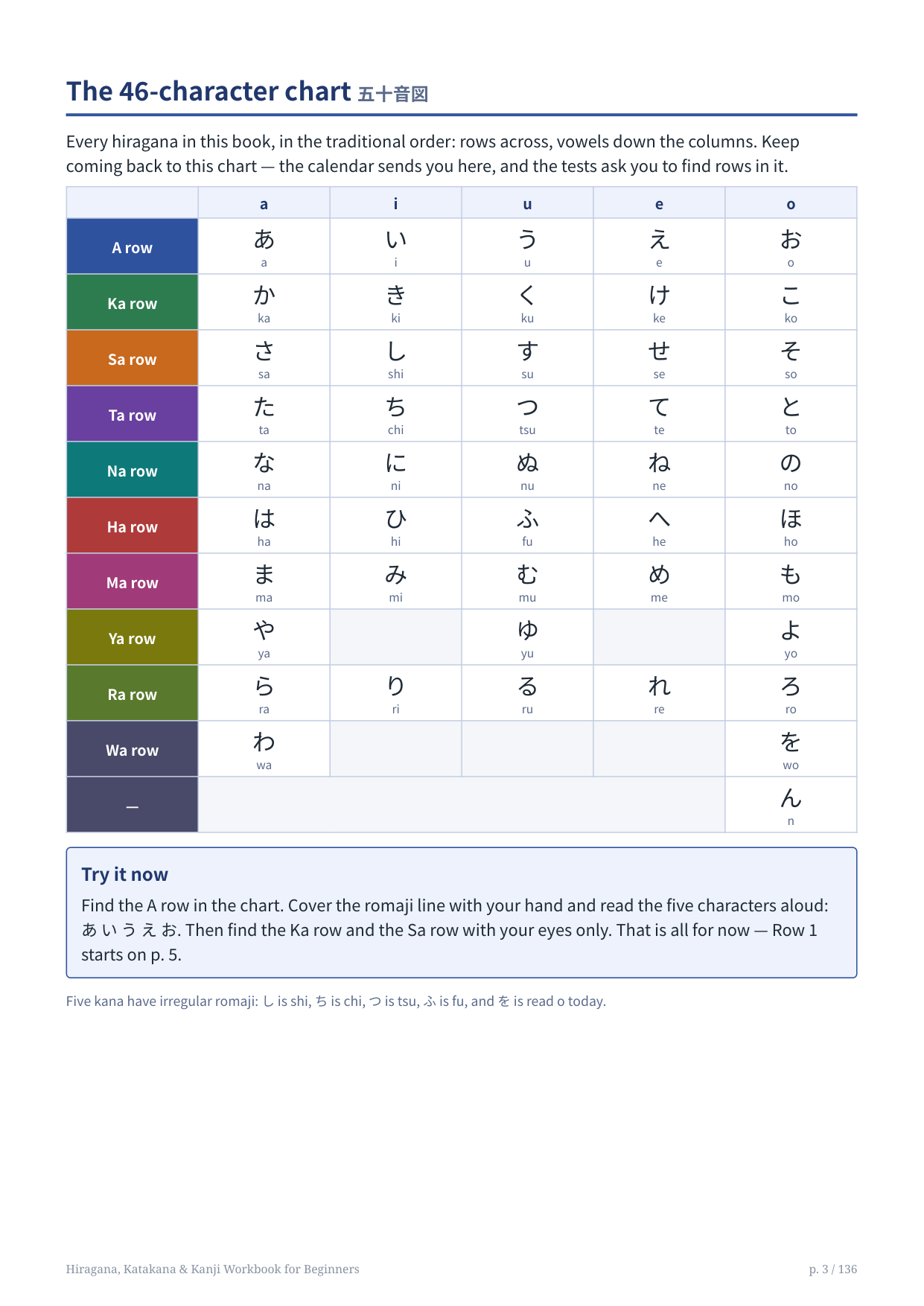
This is a foundation workbook for adult self-learners of Japanese. It teaches you to read and write all 46 hiragana, all 46 katakana, and 42 useful beginner kanji — with a built-in review system designed so you don't forget what you learned.
Please read first: the 42 kanji are the author's own selection for daily-life reading — not an official JLPT list — and this book teaches reading and writing only. It is not an exam-prep book.
What makes it different: the review system
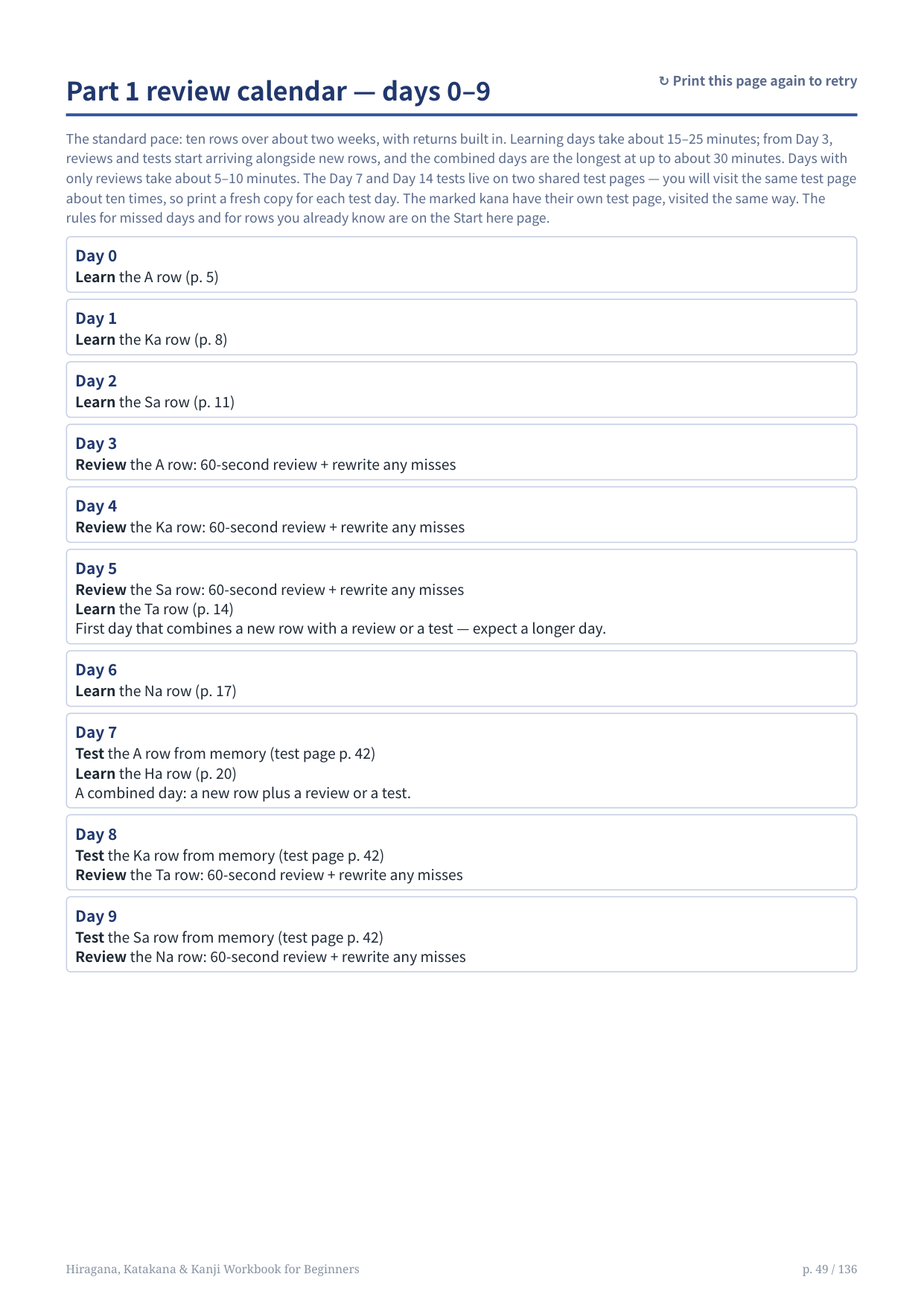
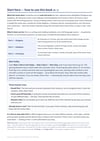
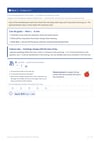
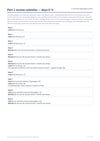
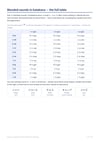
Most workbooks show you a character once and move on. This one schedules your reviews for you. Each row of kana comes with a calendar that tells you which pages to revisit on Day 0, Day 3, Day 7, and Day 14, with short recall tests (60-second reviews and self-scoring) at each step. You always know what to study today — and it is fine to stop after Part 1 (hiragana) if that is all you need. At the suggested pace, Part 1's calendar runs to Day 33 and Part 2's to Day 27 — roughly a month per script — and you can stretch or compress it freely.
What's inside (136 pages)
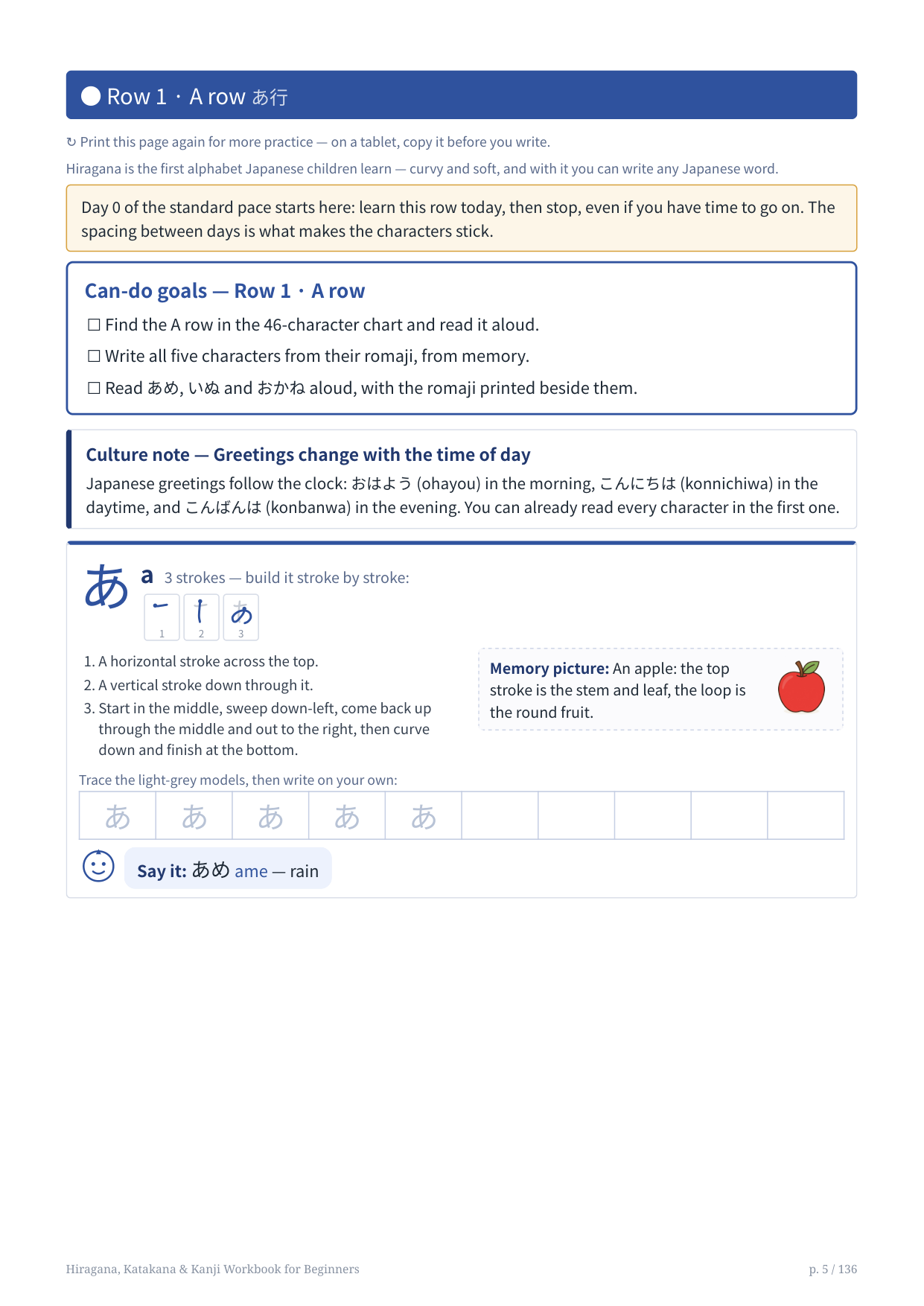
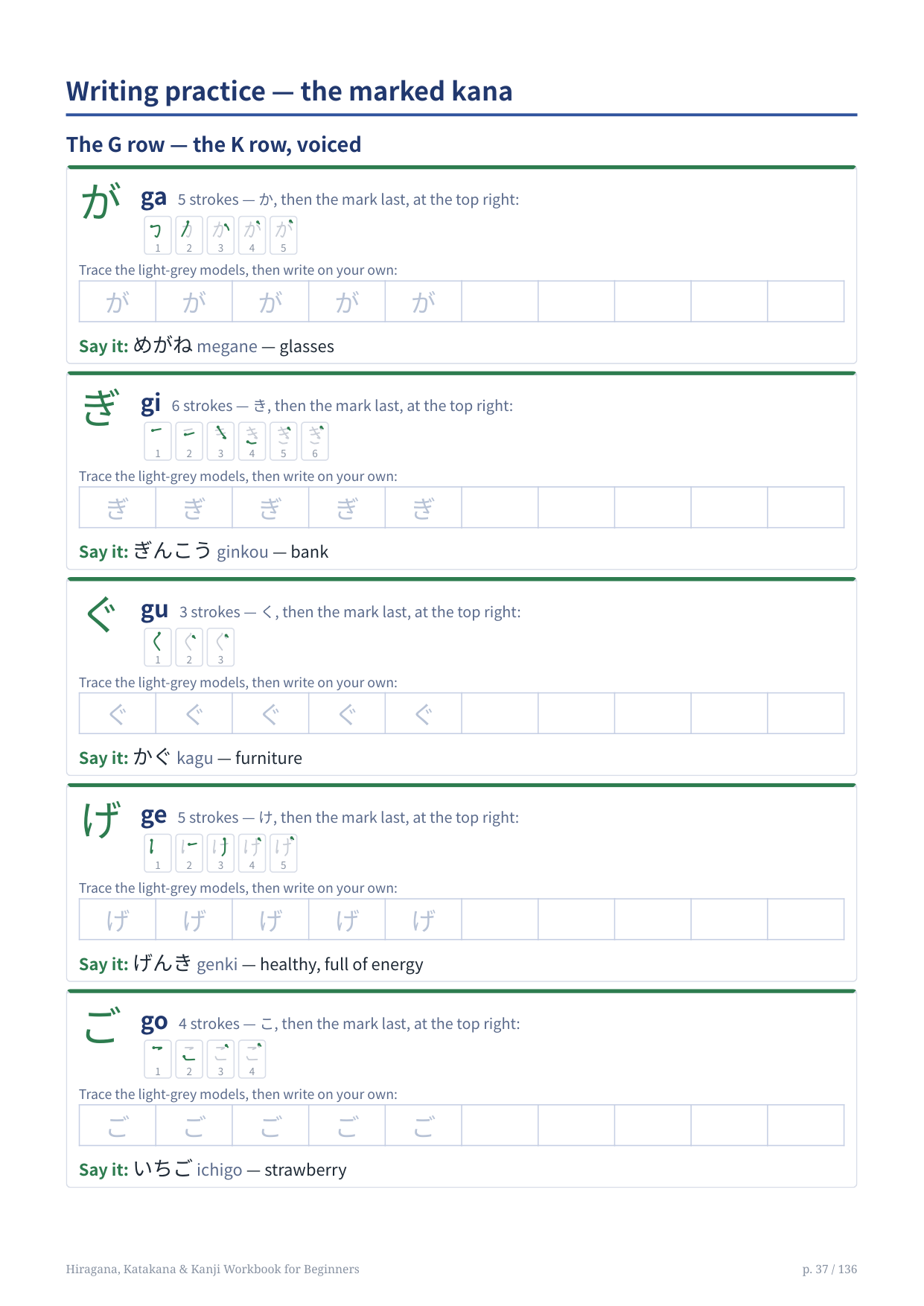
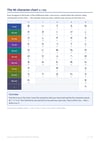
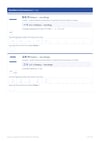
- Part 1 — Hiragana (pp. 1–55): all 46 characters with stroke-order diagrams, memory pictures, example words, mini-tests, and real-world reading (station signs, a snowy-day story) — plus full writing practice for all 25 dakuten and handakuten forms and complete blended-sound (yoon) tables
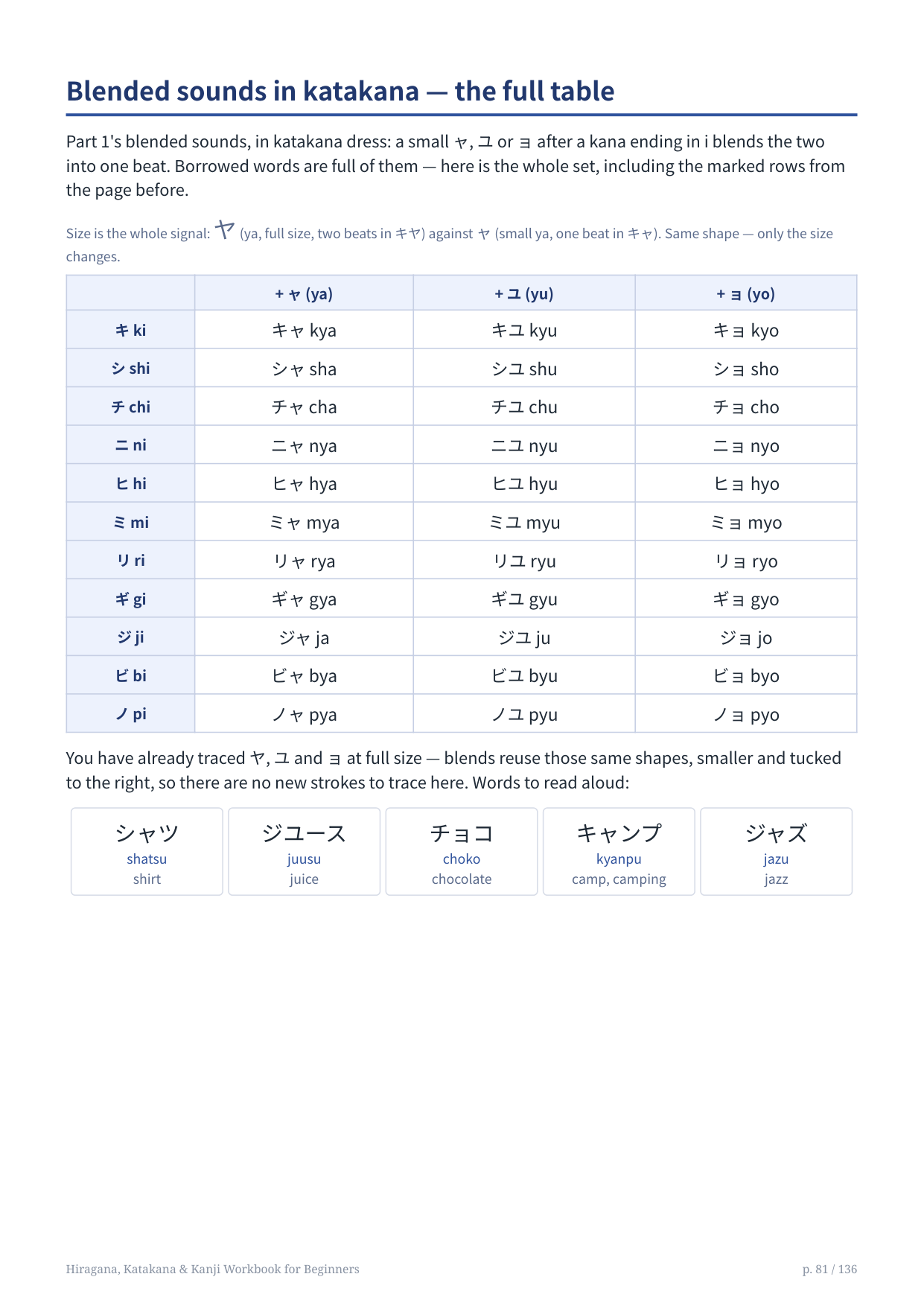
- Part 2 — Katakana (pp. 56–96): all 46 characters, confusable-pairs practice (シ/ツ, ソ/ン), real katakana words like パン and レモン — plus the same marked-kana writing practice and a complete katakana blends table
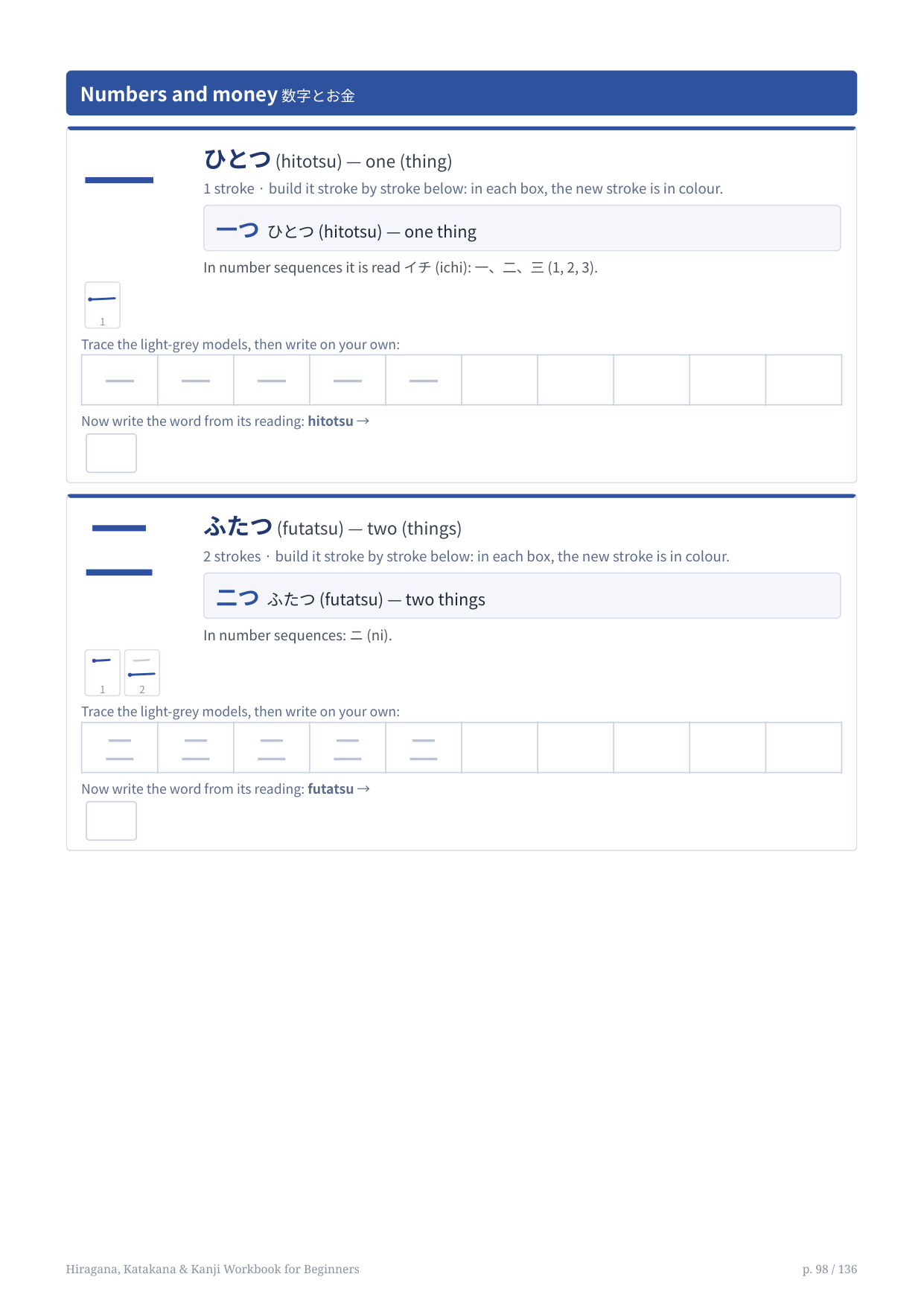
- Part 3 — Beginner Kanji (pp. 97–136): 42 everyday kanji in five themes (numbers & money, nature, body & family, time & school, town & food), street signs, a lunch menu, and a final test
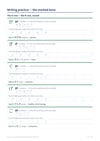
- Includes full writing practice for dakuten (゛) and handakuten (゜) — not just reading charts
- Answer keys for every test, progress trackers for each part
Part 1 is 55 pages, Part 2 is 41 pages, and Part 3 is 40 pages. Every character, kana and kanji alike, gets 5 traced repetitions plus 5 blank boxes to write from memory.
Also included: flashcards (separate PDF, 49 pages, 184 cards)
Fronts and backs are on separate pages, with backs mirrored for long-edge duplex printing. Print, cut, and review anywhere.
Files you receive
4 PDFs: the workbook and the flashcards, each in A4 and US Letter. Print the pages you need — practice and test pages are designed to be reprinted.
The workbook is designed for single-sided printing — every page is a page to write on — and it works just as well on a tablet.
What this book is not
It does not teach grammar or conversation, and it has no audio. It builds the reading-and-writing foundation that apps, lessons, and textbooks then build on. (For its kanji selection, see the note at the top.)
AI disclosure
This workbook and its flashcard companion were created from the author's own teaching concept and direction, with the design and all key decisions approved by the author. AI tools were used to draft the text and generate the mnemonic illustrations, and to lay out and typeset the files; facts were cross-checked against KanjiVG and dictionaries, and the author reviewed the full content in a complete Japanese translation.
FAQ
- How should I print the workbook? Single-sided — you will be writing on the pages. (The flashcards are the exception: they are laid out for double-sided printing.)
- Do I need to print everything? No. Print each part as you start it; practice and test pages can be reprinted for retries. The PDFs also work on a tablet with a PDF annotation app. For a paper budget: one full single-sided printout is 136 sheets; if you print a fresh copy of the test pages each time the calendar sends you back (about ten visits per part), budget roughly 190–210 sheets in total. Doing the tests on a tablet cuts that back down.
- A4 or US Letter? Both are included — same content, same page numbers.
- Is this for JLPT N5? The kanji are the author's own selection for daily-life reading, not an official JLPT list. It covers foundation skills that N5 study also needs, but it is not an exam-prep book. The selection overlaps substantially with the kanji found on commonly used N5 study lists (the JLPT itself no longer publishes an official list).
- Can I use it on GoodNotes / Notability? Yes, the PDFs import like any other PDF. Before writing on a practice or test page, duplicate it (long-press the page thumbnail and choose Duplicate) so you always keep a clean copy to reuse.
- Is this suitable for children? This workbook is designed for adult self-learners — the pacing, the explanations, and the size of the writing boxes all assume an adult learner. It isn't formatted for young children, though a motivated teenager with some support may still get use from it.
- Can teachers print copies for their students? Yes — if you teach, you may print copies for your own students for classroom or tutoring use. Resale and public redistribution aren't permitted.