



BGP Techniques (Practical & Real-World)
On Sale
$5.00
$5.00
BGP Techniques (Practical & Real-World)
🔹 1. Path Selection Control
Used to influence which route BGP prefers.
- Weight (Cisco-specific, highest wins)
- Local Preference (higher preferred inside AS)
- AS Path Prepending (make paths less attractive)
- MED (lower preferred between ASes)
- Origin type (IGP > EGP > Incomplete)
📌 Most commonly used: Local Preference (inbound), AS Path Prepending (outbound)
🔹 2. Route Filtering
Control which routes are advertised or accepted.
- Prefix lists (preferred over ACLs)
- Route maps for advanced filtering
- Max-prefix limits to prevent route floods
📌 Prevents route leaks and improves stability.
🔹 3. Traffic Engineering
Steer traffic for performance or cost control.
- Inbound traffic: AS Path prepending, MED
- Outbound traffic: Local Preference, Weight
- Multi-homed optimization
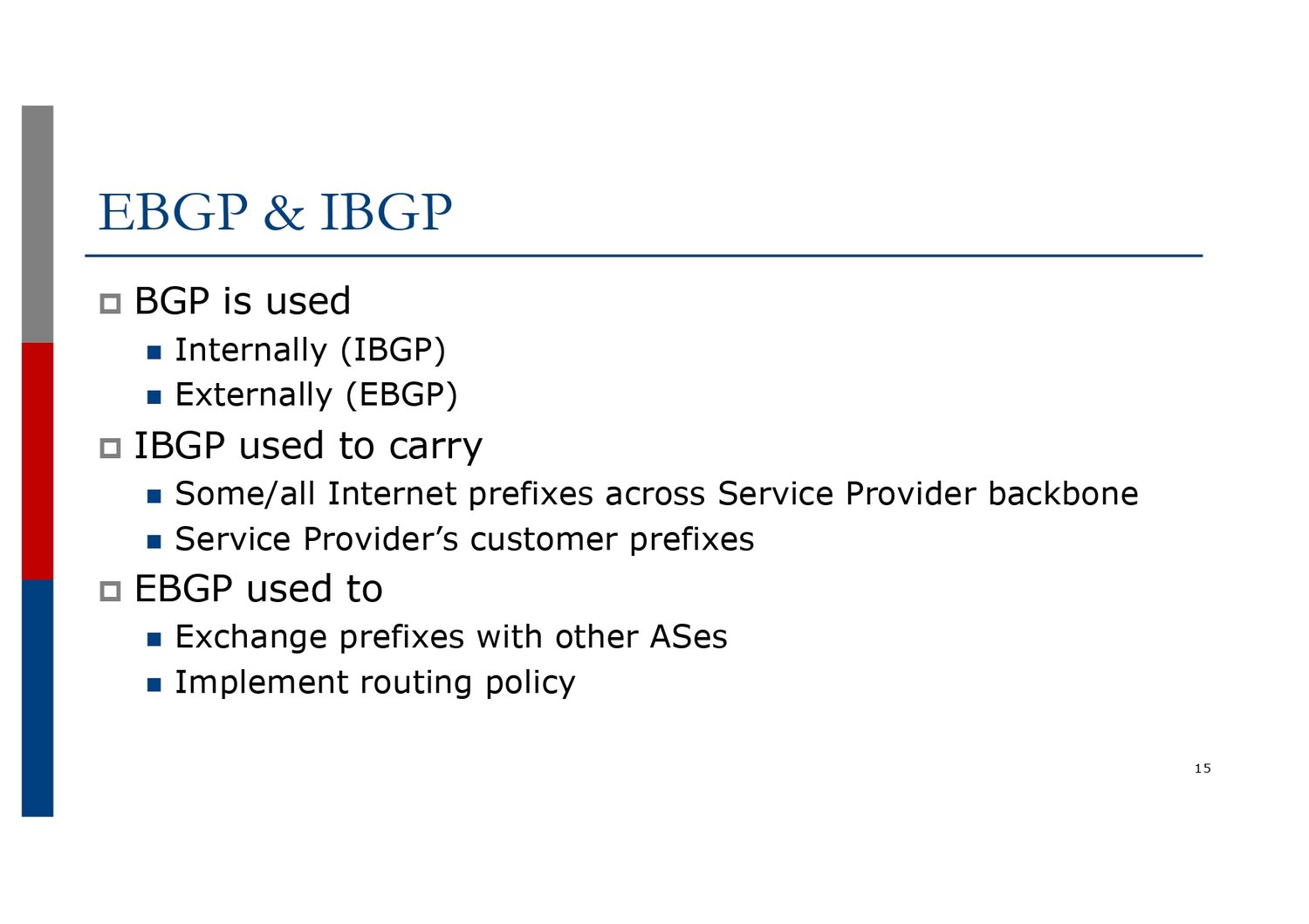
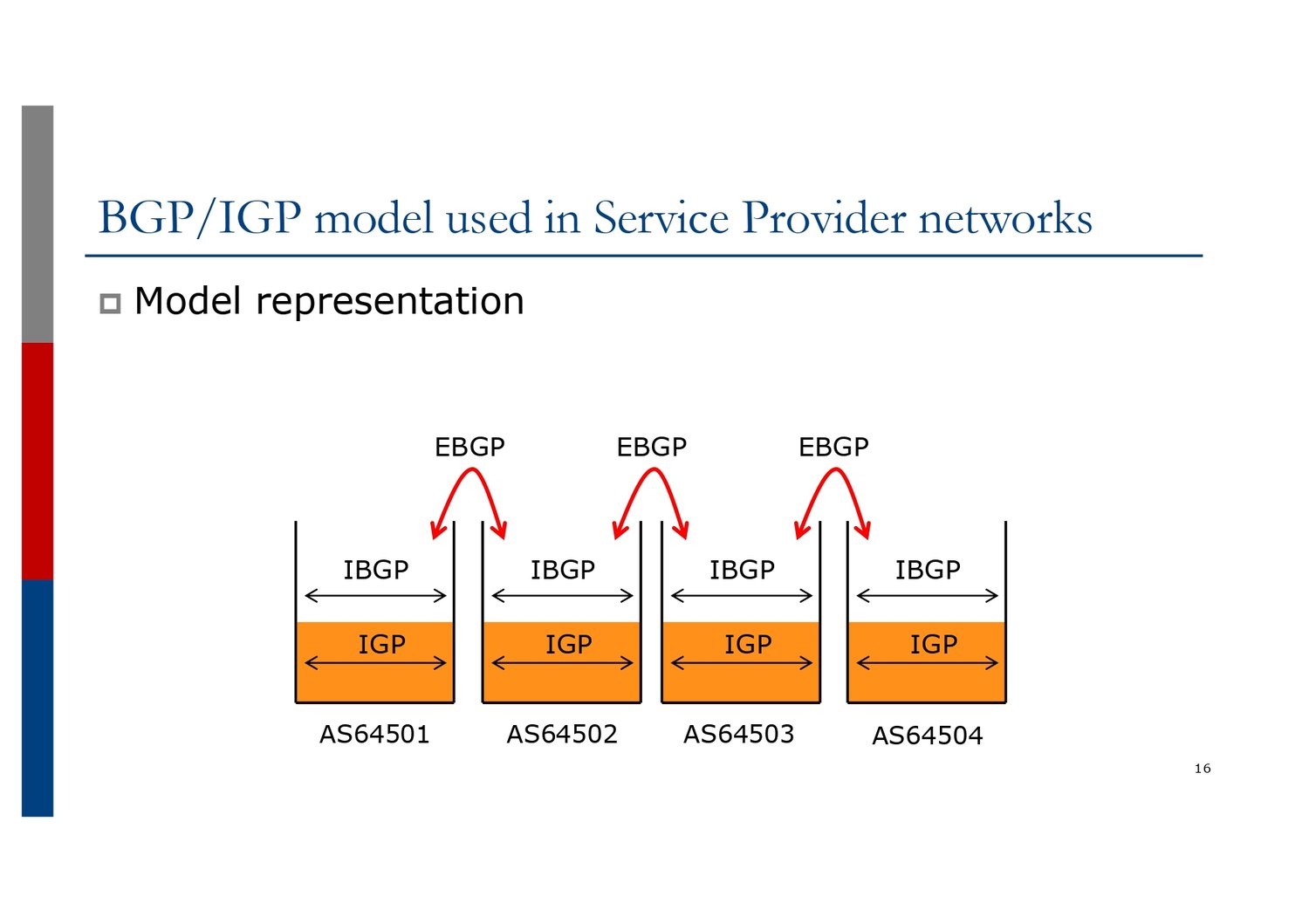
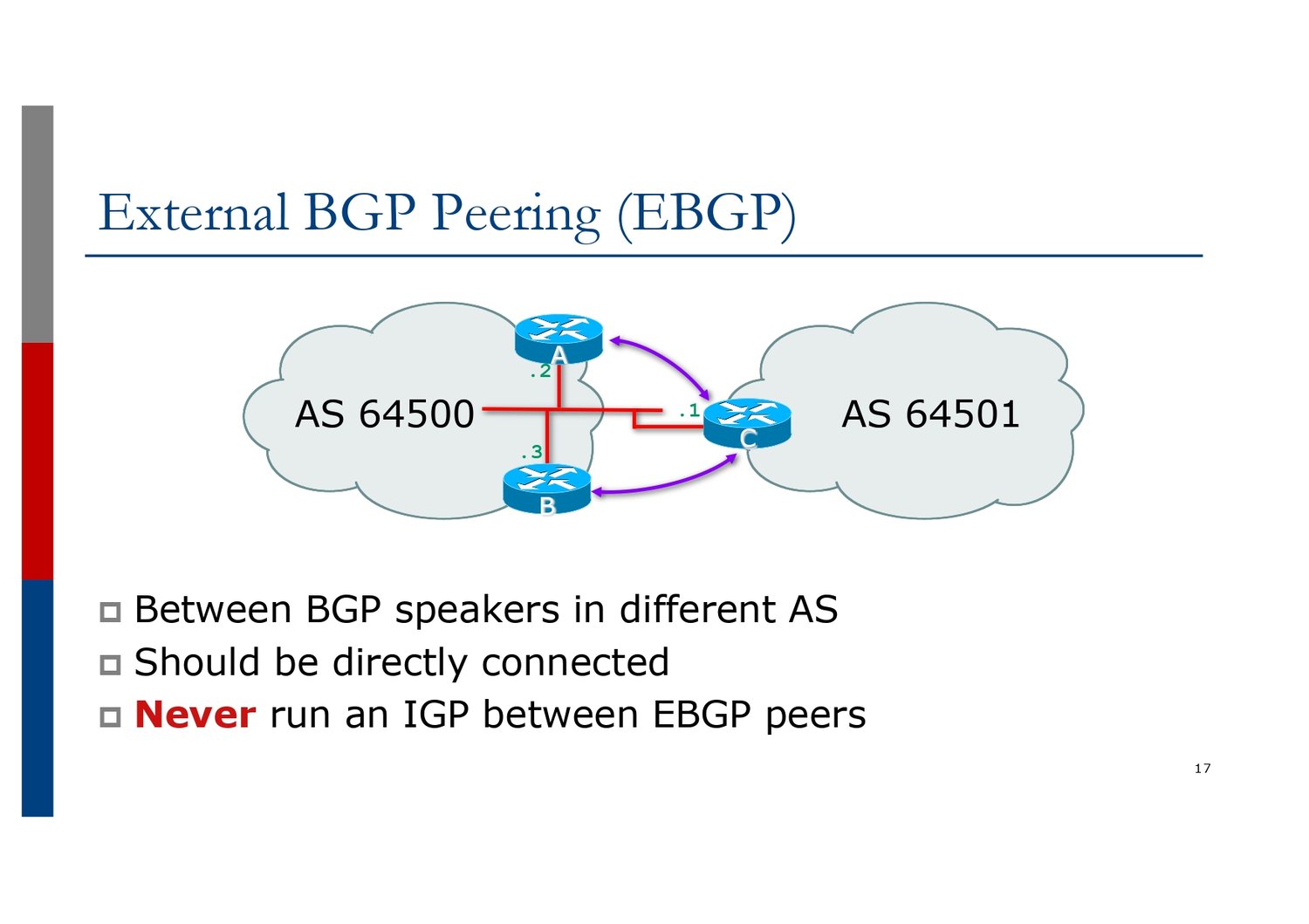
🔹 4. BGP Peering Types
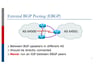
- eBGP – Between different AS numbers
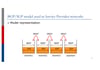
- iBGP – Within the same AS
- Route Reflectors – Reduce iBGP full-mesh
- Confederations – Scale large networks
🔹 5. BGP Stability & Convergence
Improve reliability and reduce flapping.
- Route dampening
- BFD for fast failure detection
- Graceful restart
- Keepalive & hold timers tuning
🔹 6. Security Techniques
Protect BGP sessions and routing information.
- MD5 authentication
- Prefix filtering (anti-route leak)
- TTL security (GTSM)
- RPKI (route origin validation)
🔹 7. Scalability Techniques
- Aggregation (route summarization)
- Communities for policy control
- Selective route advertisement
- Default route injection