
Harry Potter and the Sorcerer's Stone
Introduction to the Wizarding World
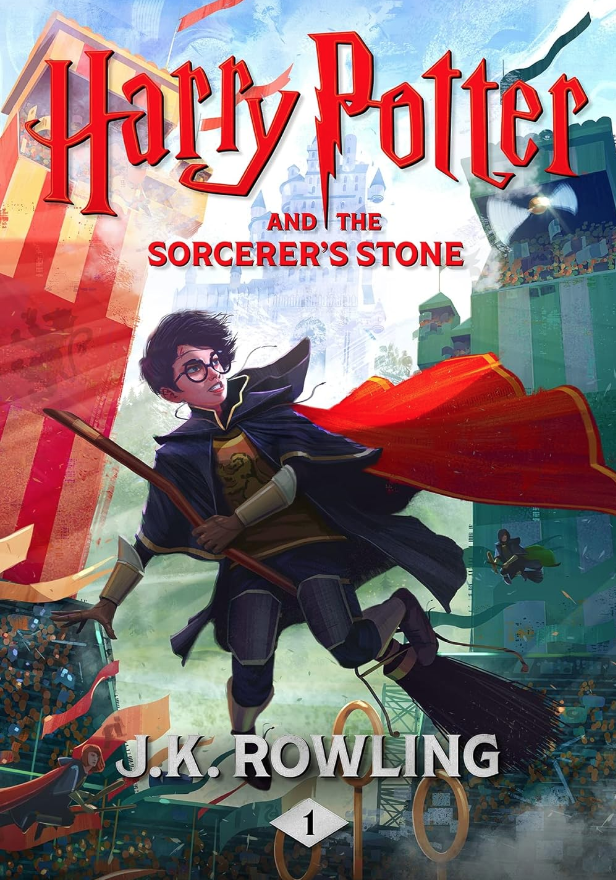
The realm of Harry Potter, introduced through J.K. Rowling's seminal work, 'Harry Potter and the Sorcerer's Stone,' unveils a captivating universe teeming with enchantment, magical creatures, and thrilling adventures. Since its initial publication in 1997, this first installment of the series has become a cornerstone of modern literature, resonating with readers worldwide. Rowling meticulously crafted a world where the mundane meets the magical, richly populated by characters whose journeys reflect universal themes of friendship, bravery, and self-discovery.
At the heart of this enchanting narrative lies the story of a young boy, Harry Potter, who transitions from the ordinary life of a neglected child to the extraordinary existence of a wizard. The book not only serves as an introduction to Harry’s adventures at Hogwarts School of Witchcraft and Wizardry but also immerses readers in a richly textured landscape filled with enchanting spells, awe-inspiring creatures, and formidable challenges. The vivid portrayal of this parallel universe has inspired numerous adaptations and spawned an extensive franchise, including films, merchandise, and even themed attractions.
The cultural impact of 'Harry Potter and the Sorcerer's Stone' is profound, as it has shaped the landscape of children's literature and fostered a renewed interest in fantasy among readers of all ages. The series has played a significant role in promoting literacy, inspiring book clubs, and even encouraging community engagement through its themes of unity and resilience. With its compelling characters and intricate plot, this first chapter of Harry's adventures has secured its place in the hearts of millions, paving the way for deeper explorations of its themes and characters in subsequent installments. As we delve further into the remarkable elements of this story, the magic and wonders of Rowling's creation continue to captivate and inspire awe.
Main Characters and Their Development
In "Harry Potter and the Sorcerer's Stone," the narrative is driven by three central characters: Harry Potter, Hermione Granger, and Ron Weasley. Each character plays a critical role in the progression of the story and embodies distinct traits that contribute to their development throughout the book. Harry, an orphan raised by his neglectful aunt and uncle, becomes the protagonist whose journey from his mundane life to discovering his identity as a wizard is both compelling and relatable. His courage, sense of justice, and innate goodness shape his character arc as he navigates the challenges presented to him at Hogwarts.
Hermione Granger, the intellectual force of the trio, brings an essential perspective. Born to non-magical parents, she faces prejudice but rises above it through her diligence and intellect. Her character showcases the importance of knowledge and perseverance, as evidenced by her resourcefulness in critical situations. Throughout the story, Hermione’s loyalty and strategic thinking prove invaluable, particularly in the face of adversity. Her friendship with Harry and Ron emphasizes the theme of teamwork, highlighting how collaboration can lead to triumph over challenges.
Ron Weasley, hailing from a large, loving wizarding family, adds a layer of humor and heart to the narrative. His loyalty, though sometimes overshadowed by his insecurities, becomes a defining feature of his character. Ron's personal journey reflects the complexities of friendship and familial expectations. His growth is evident as he learns to embrace his unique contributions to the trio’s dynamic. Together, these characters not only drive the plot of "Harry Potter and the Sorcerer's Stone" but also resonate deeply with readers, allowing for a profound emotional connection that enhances the overall reading experience.
Key Themes and Symbolism
In 'Harry Potter and the Sorcerer's Stone,' several themes resonate throughout the narrative, enriching the story and offering readers layers of meaning. One of the most prominent themes is friendship. The bond among Harry, Hermione, and Ron illustrates how friendship can provide support in difficult times, showcasing collective strength against adversities. Their unity not only aids them in overcoming challenges but also emphasizes the importance of loyalty and trust, essential components of any meaningful relationship.
Another significant theme is bravery, which manifests in various forms. Characters are often faced with daunting choices that require courage. Harry's confrontation with Voldemort, the embodiment of evil, highlights the ongoing struggle between good and evil. This theme serves as a reminder that moral goodness often requires standing firm against wrongdoing, regardless of the fear it may provoke. The narrative adeptly captures how small acts of bravery can lead to larger outcomes, reinforcing the notion that individual choices can significantly impact the world around us.
Symbolism plays a pivotal role in enhancing the themes within the story. The Sorcerer's Stone itself represents not only immortality and prosperity but also the temptation of power and what one is willing to sacrifice to achieve it. Then there is Hogwarts, a magical haven that symbolizes learning, growth, and the struggle between light and darkness, contrasting the ordinary world with the extraordinary possibilities of magic. Furthermore, magical creatures and fantasy elements embody different aspects of human experience, reflecting themes such as companionship, loyalty, and the triumph of good over evil. Each symbolic element contributes to the overall depth of the narrative and invites readers to ponder the broader implications of personal choices, friendship, and the eternal battle between good and evil.
The Lasting Impact of 'Harry Potter and the Sorcerer's Stone'
Since its publication in 1997, 'Harry Potter and the Sorcerer's Stone' has made an indelible mark on literature, film, and popular culture. The novel, authored by J.K. Rowling, quickly ascended to the status of a bestseller, captivating a diverse audience with its richly woven narrative and relatable characters. Its success not only led to a series of sequels but also initiated a broader cultural phenomenon that has transcended generations.
The book paved the way for a mesmerizing film adaptation that was released in 2001, which further solidified its place in the hearts of audiences worldwide. The cinematic portrayal heightened its accessibility and attracted a new wave of fans to the story, effectively bridging the gap between literature and visual media. This successful adaptation demonstrated the universal appeal of Rowling’s magical world, inspiring a multitude of theatrical productions, video games, and merchandise, all of which contributed to the franchise's remarkable growth.
Moreover, 'Harry Potter and the Sorcerer's Stone' ignited a renewed interest in reading among children and adults alike. The captivating themes of friendship, courage, and self-discovery resonated with readers and motivated many to explore the magical realm of literature. Schools and libraries worldwide reported increased engagement in reading activities inspired by the series, highlighting its profound effect on literacy and imagination.
As generations continue to be introduced to this enchanting world, the legacy of 'Harry Potter and the Sorcerer's Stone' endures. Its influence is evident not only in literature but also in culture, as numerous works have drawn inspiration from Rowling's storytelling style. Ultimately, the novel remains a testament to the power of storytelling and its ability to bring people together, ensuring that the magic of the Wizarding World remains alive and thriving for years to come.