

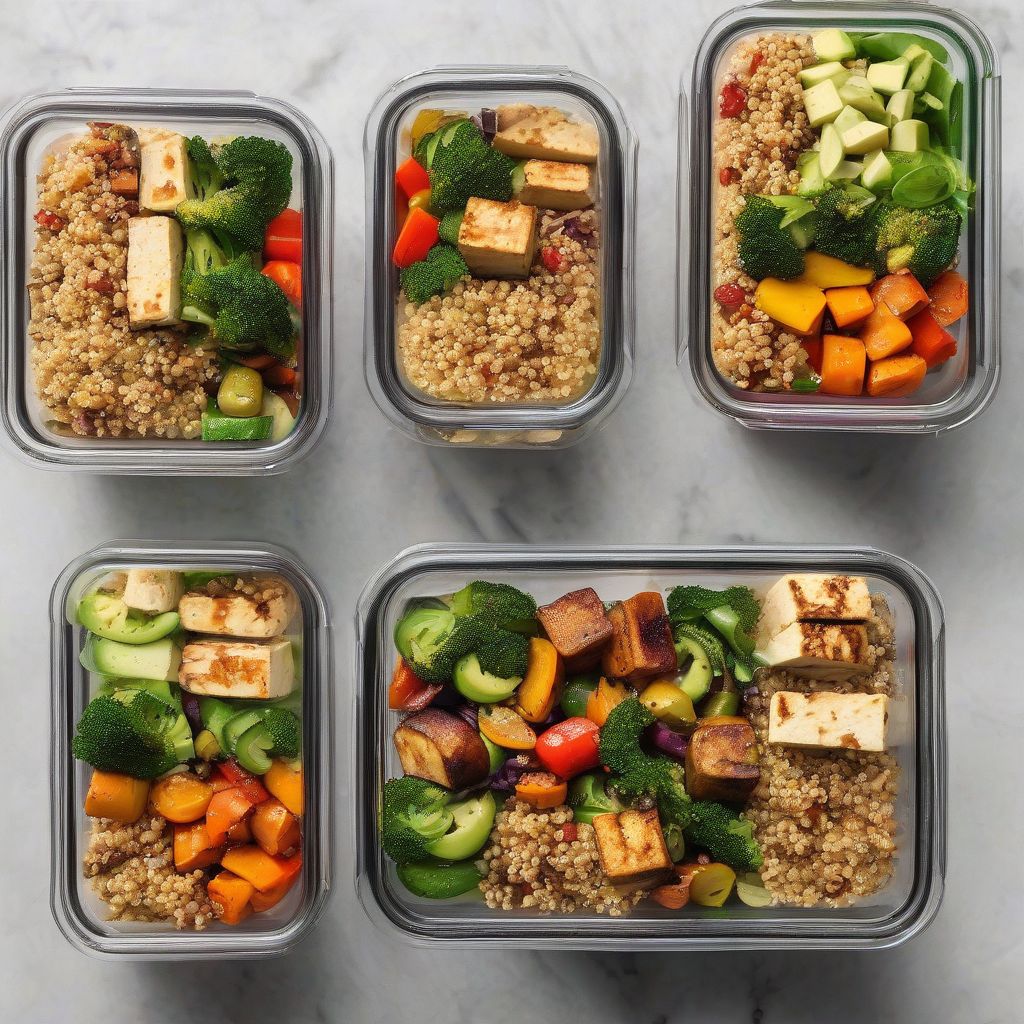
Vegetarian Nutrition Plans
Vegetarian nutrition plans exclude meat, poultry, and fish, but unlike vegan diets, they often still include dairy and eggs (lacto-ovo vegetarian), or sometimes just one or the other (lacto or ovo vegetarian). This makes it somewhat easier to meet certain nutrient needs compared to a vegan diet, since dairy and eggs provide complete protein, vitamin B12, and calcium without extra planning. The diet emphasizes vegetables, fruits, whole grains, legumes, nuts, and seeds as the foundation, supplemented by dairy products and/or eggs for additional protein and micronutrients. Areas that still warrant attention include iron and zinc (better absorbed from meat, so vegetarians should pair plant sources like beans and spinach with vitamin C-rich foods), omega-3 fatty acids (from flaxseed, walnuts, or algae-based supplements if fish is excluded), and overall protein variety (combining legumes, dairy, eggs, and whole grains). As with any restrictive eating pattern, it's worth checking in with a doctor or registered dietitian, particularly for growing children, pregnant or breastfeeding people, or those managing health conditions.