

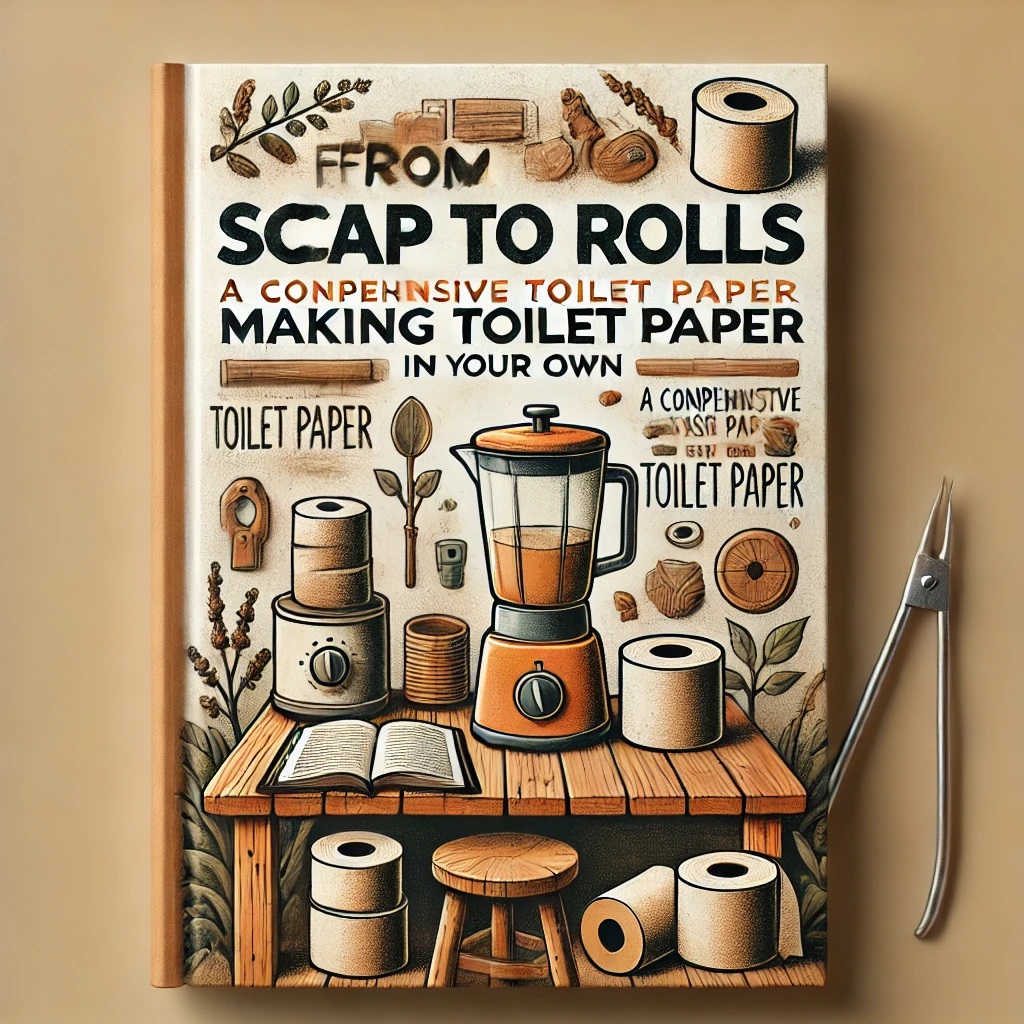
From Scrap to Rolls Making Toilet Paper in Your Own Space
On Sale
$1.00
$1.00
From Scrap to Rolls – Making Toilet Paper in Your Own Space
This guide explores the process of making homemade toilet paper, offering a sustainable, cost-effective, and self-sufficient alternative to commercially produced products. It covers everything from understanding toilet paper’s history and global consumption statistics to practical steps for producing it at home.
Key Takeaways:
- Environmental Impact: Homemade toilet paper reduces deforestation, water usage, and chemical pollution.
- Cost Savings: Using recycled paper and DIY methods helps cut household expenses.
- Customization: The ability to adjust texture, softness, and additives allows for a personalized product.
- Self-Sufficiency: Making toilet paper at home ensures a steady supply, particularly useful during shortages or emergencies.
Step-by-Step Process:
- Preparing Materials: Collecting and shredding suitable scrap paper while ensuring it’s safe and clean.
- Pulping: Soaking and blending the paper into a fine pulp, adjusting texture, and adding natural softeners.
- Forming & Drying: Spreading pulp onto a screen, drying evenly, and refining the finished product.
- Scaling Up: Increasing production for larger quantities, upgrading tools, and maintaining quality control.
- Usage & Applications: Exploring everyday use, alternative applications, and community sharing opportunities.
Final Thoughts:
This guide empowers individuals to embrace sustainable practices while achieving independence in household essentials. Whether for personal use or larger-scale production, making toilet paper at home is a rewarding, eco-conscious endeavor.