

First Grade Science | Unit 1 | Think Like a Scientist
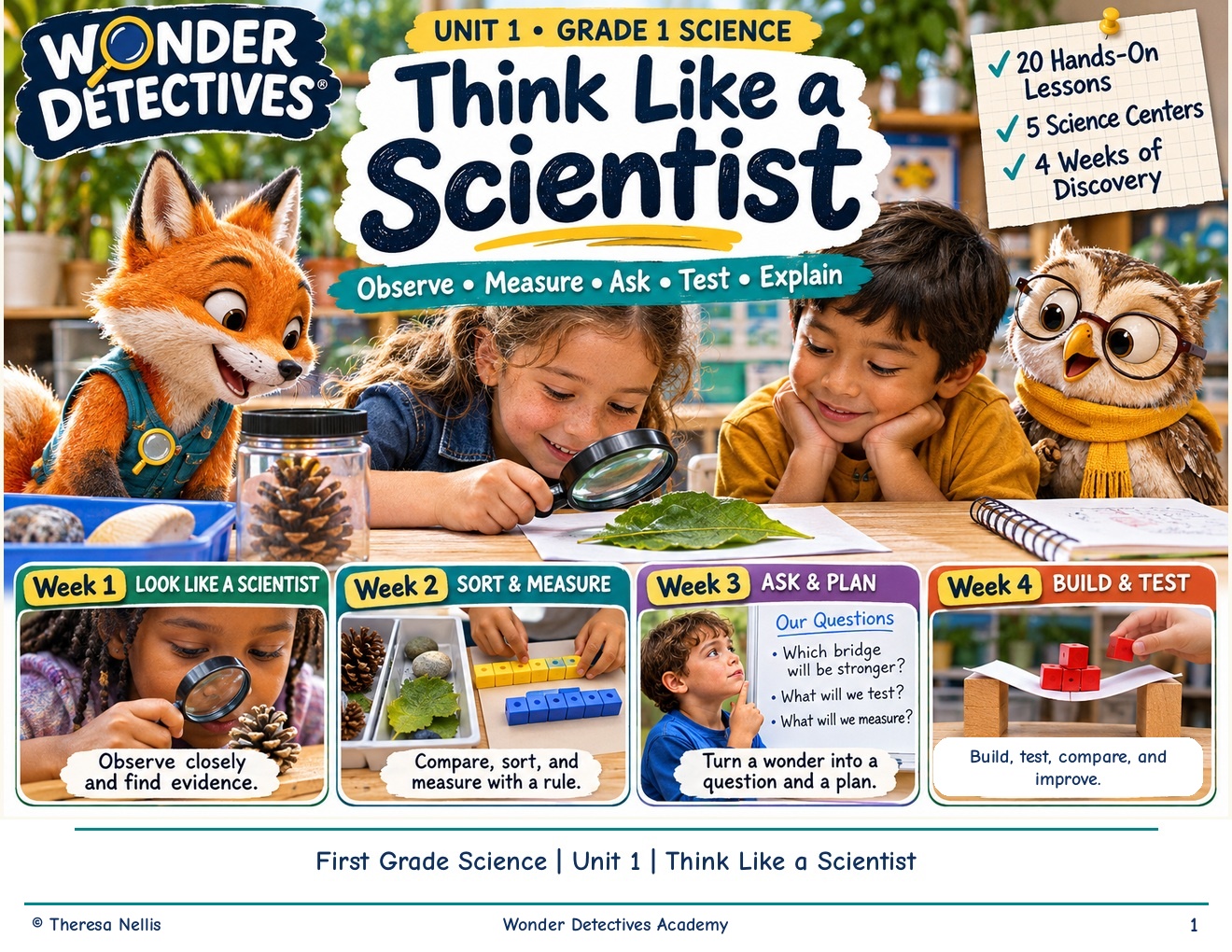
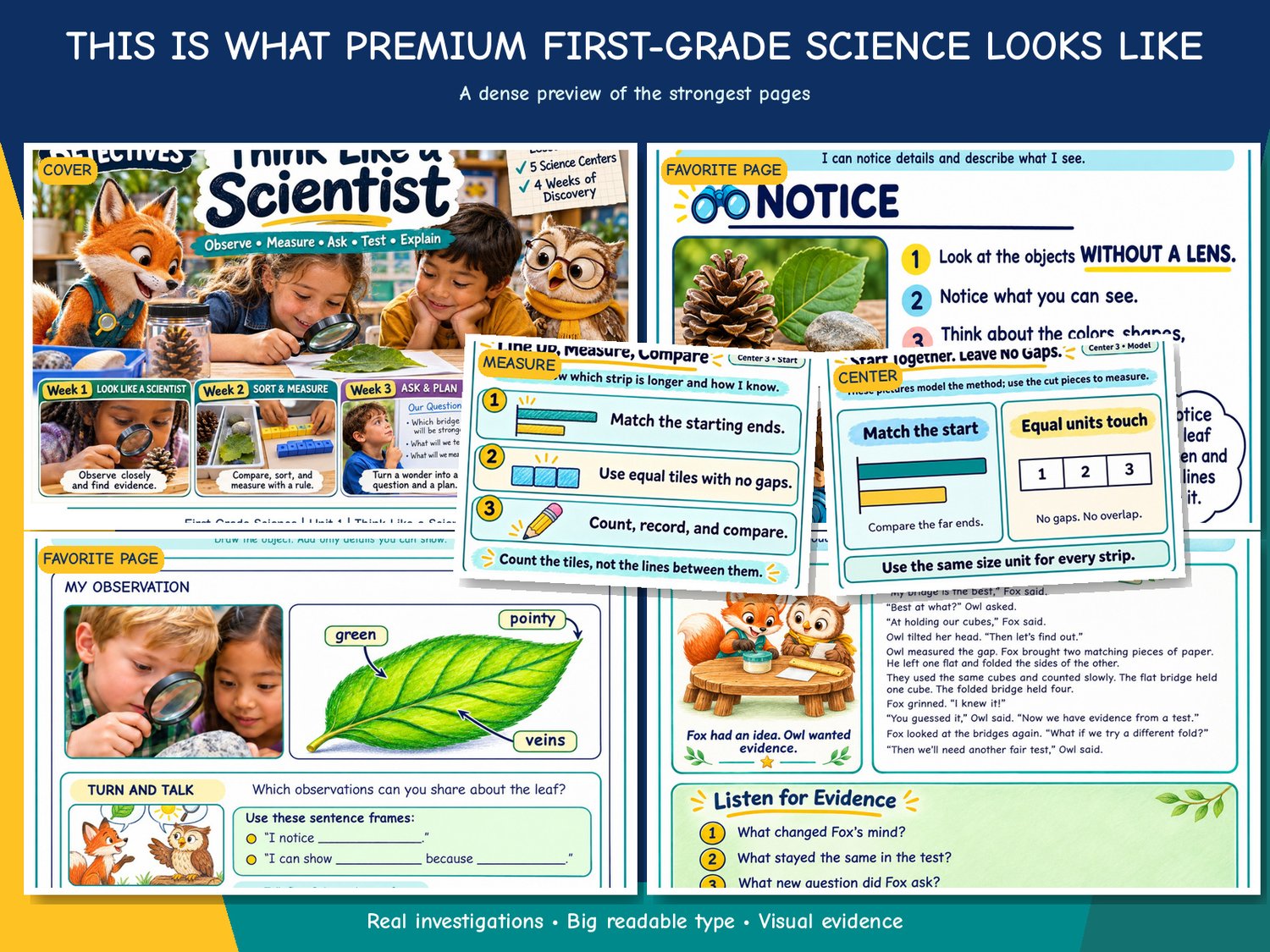
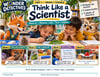
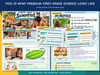
Give first graders something better than “read this page and color the picture.” Think Like a Scientist is a complete 4-week first-grade science unit built around hands-on investigation, observation, evidence, questioning, measurement, testing, and scientific reasoning. Students learn what scientists actually do by looking closely, talking about what they notice, testing ideas, collecting evidence, and explaining what the evidence shows.
The unit follows a simple, student-friendly science routine:
Wonder → Predict → Test → Notice → Explain
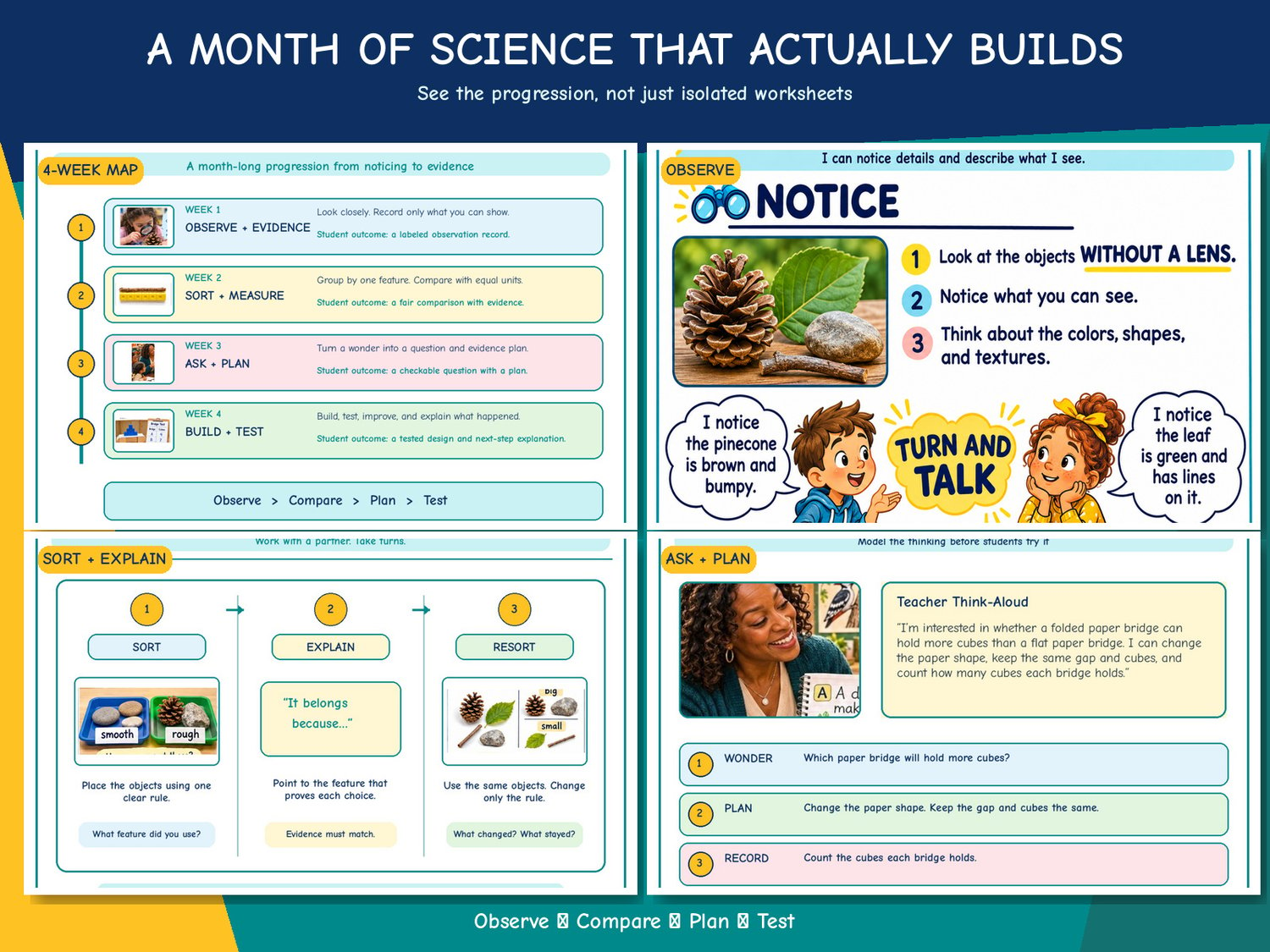
Across four weeks, students move from basic observation skills to increasingly sophisticated scientific thinking.
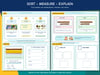
Week 1: Look Like a Scientist
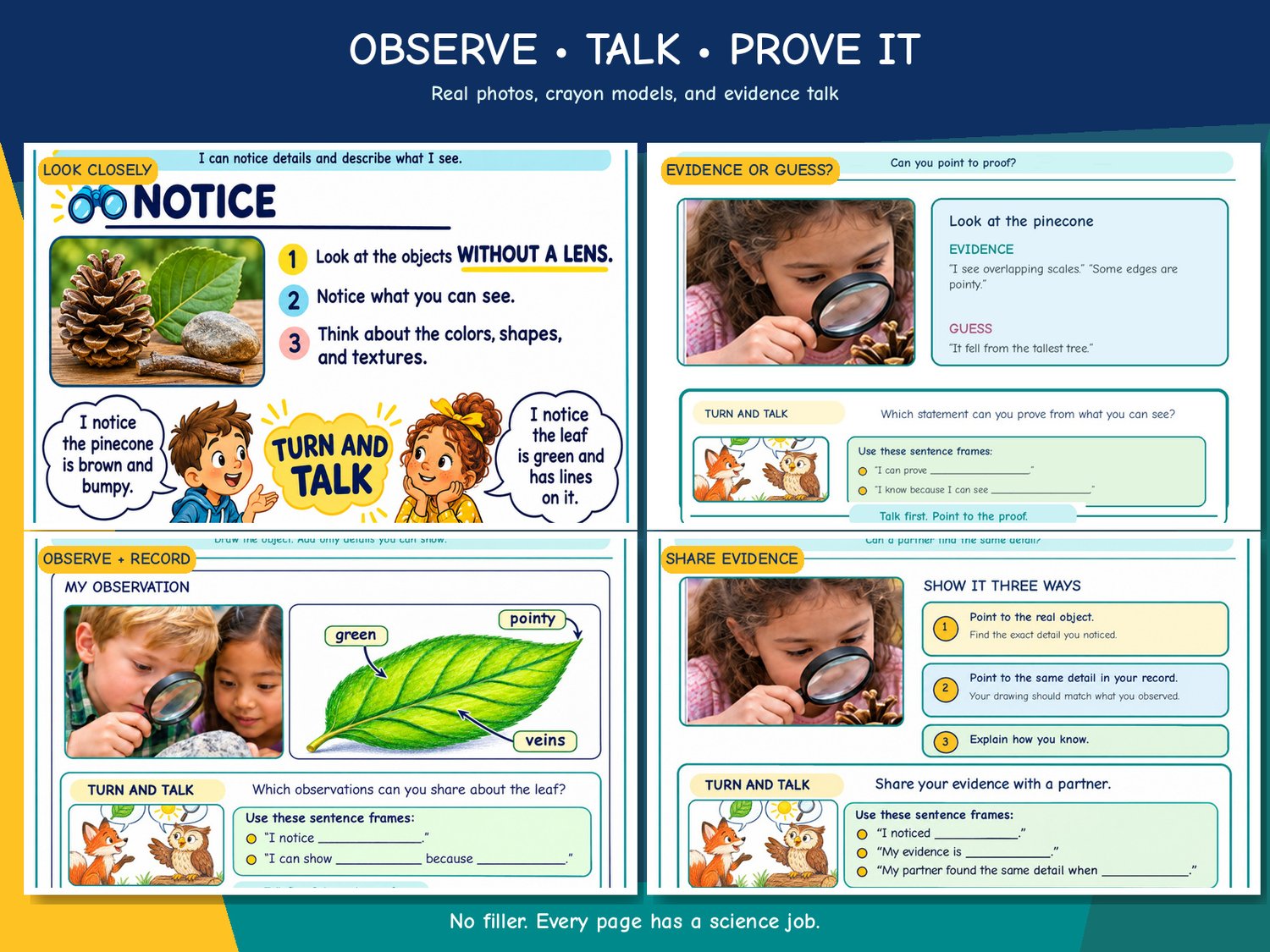
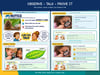
Students learn to observe carefully, distinguish evidence from guesses, use tools to notice details, record observations, and explain what they can actually prove.
Week 2: Sort and Measure
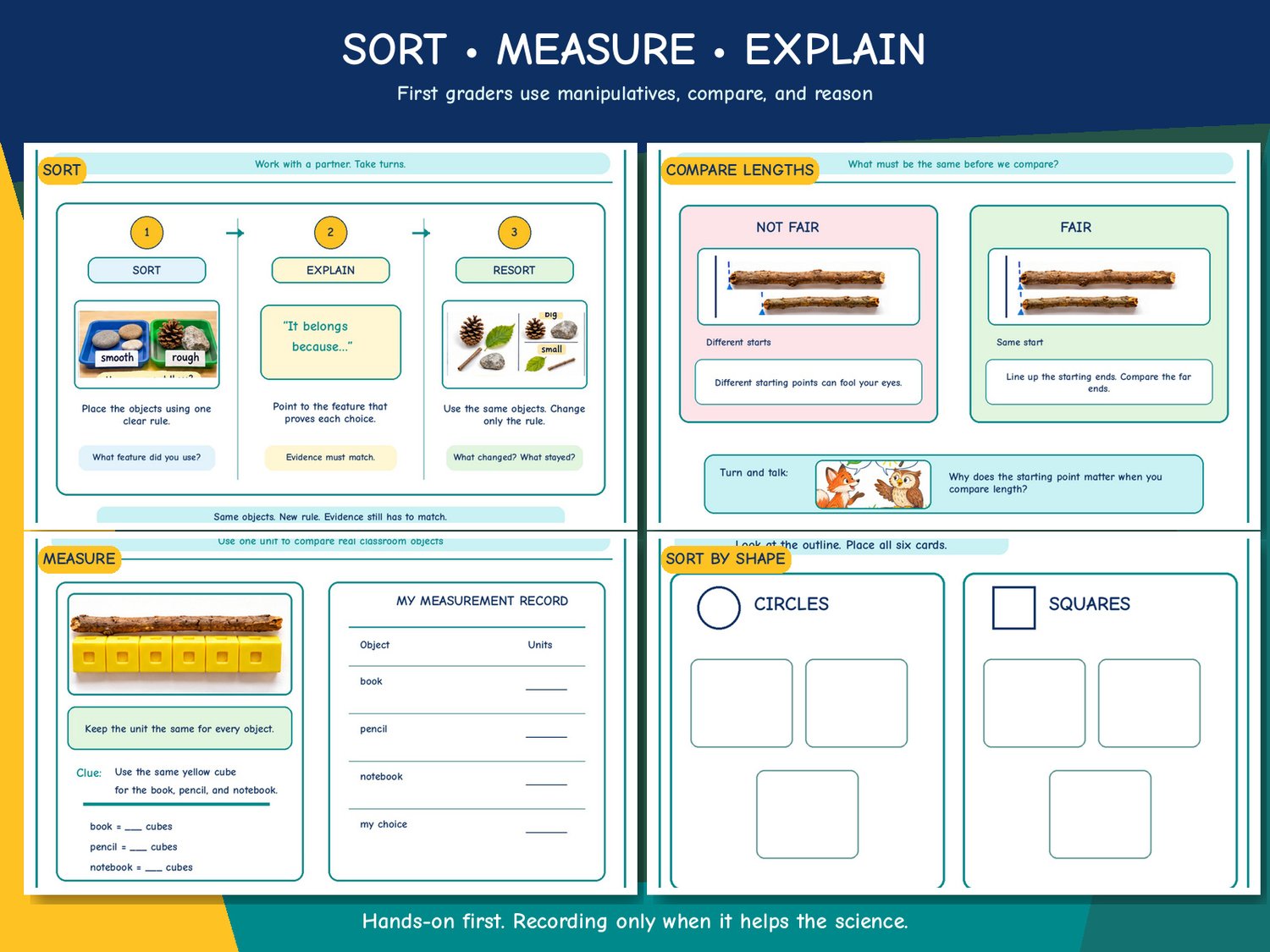
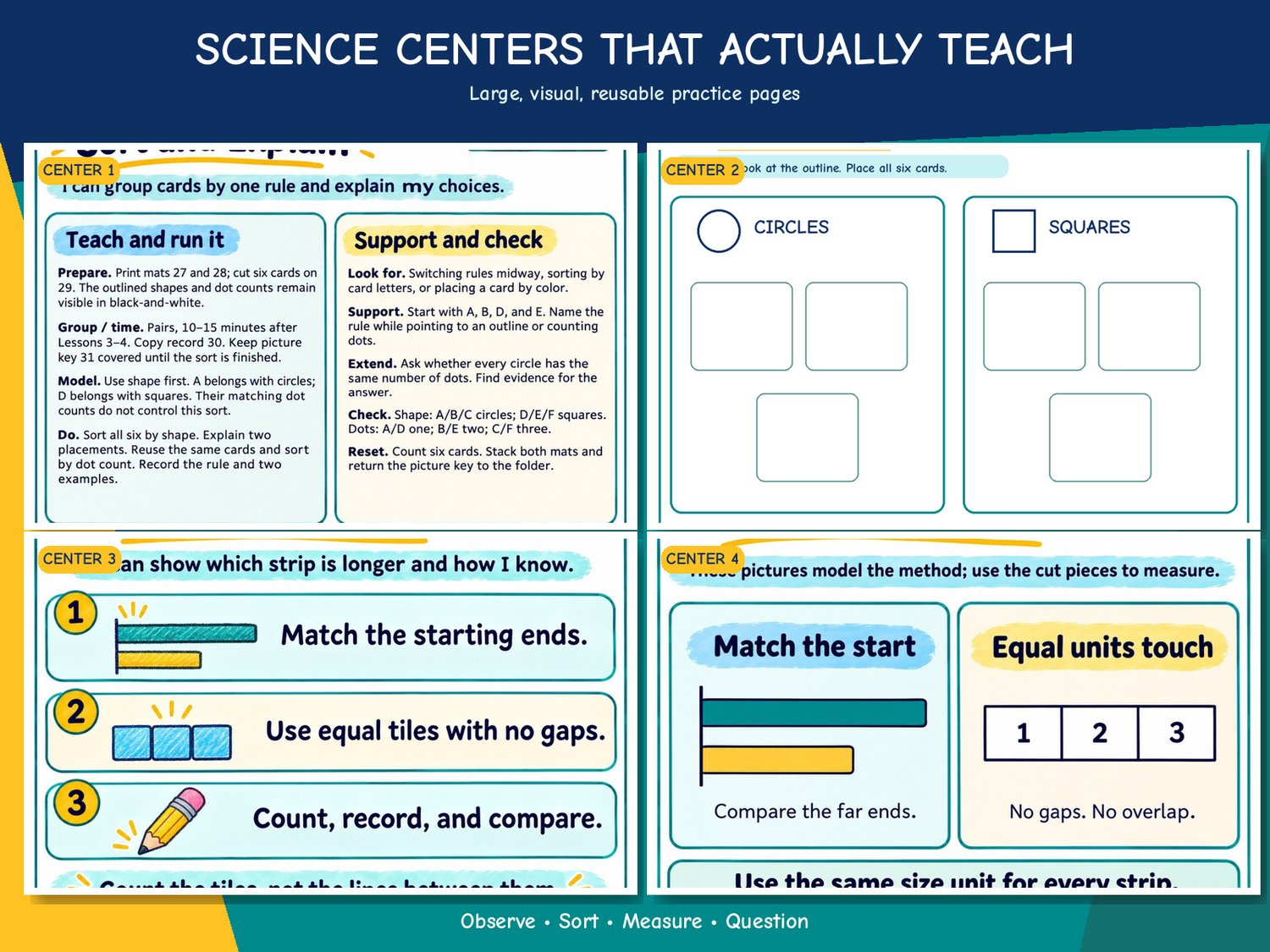
Students sort objects using observable features, change sorting rules, compare lengths fairly, and measure with equal units. The emphasis is not just getting an answer, but explaining why the comparison is fair.
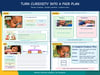
Week 3: Ask and Plan
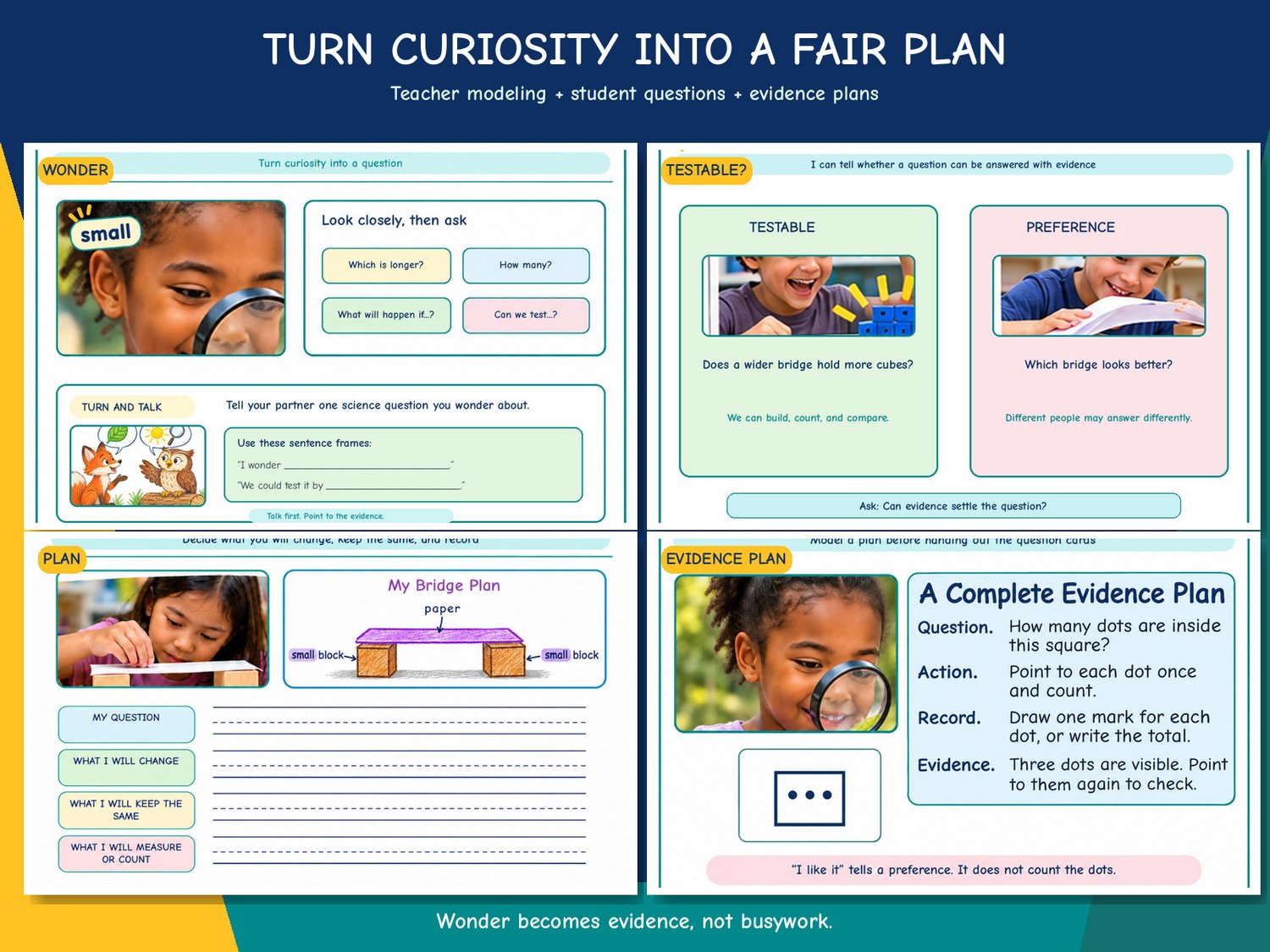
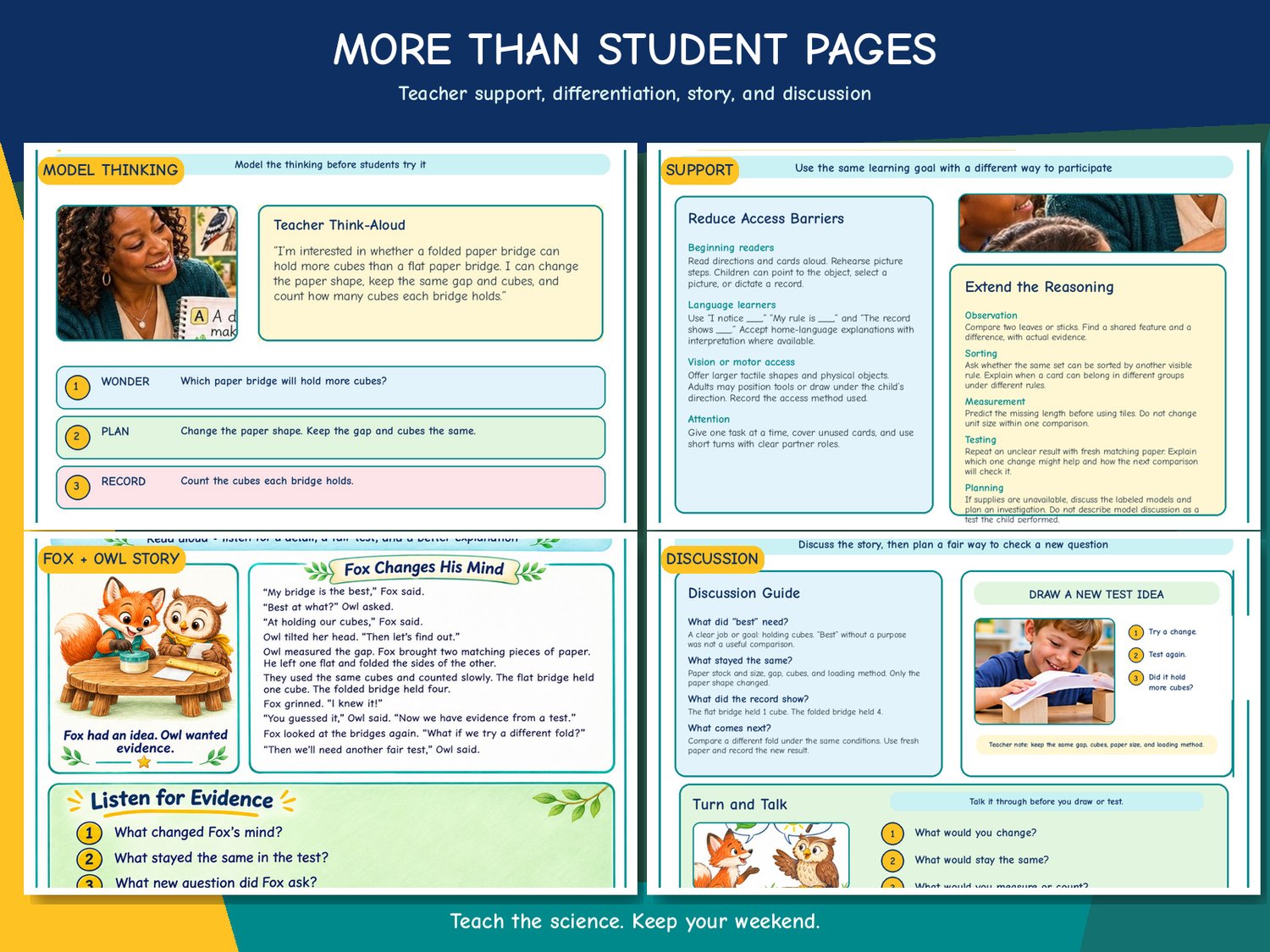
Students turn curiosity into testable questions. They learn the difference between a question that can be investigated with evidence and a preference question that cannot. Teacher think-alouds model how to decide what to change, what to keep the same, and what evidence to collect.
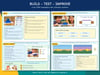
Week 4: Build and Test
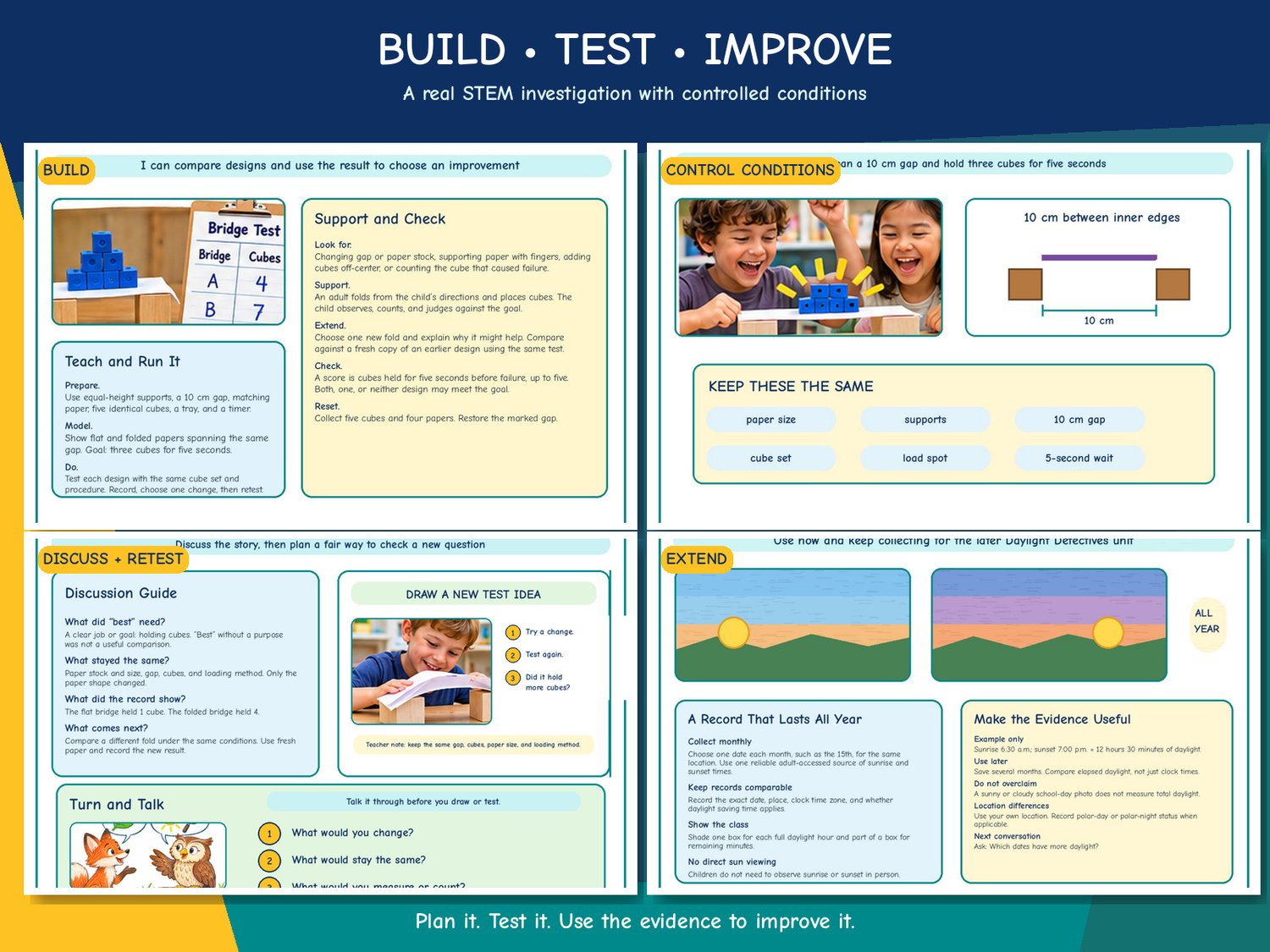
Students put their science habits to work in a paper-bridge STEM investigation. They build, test, compare results, improve a design, and explain what the evidence shows while keeping test conditions consistent.
This unit is intentionally hands-on. Students work with real objects, manipulatives, measurement tools, paper bridges, classroom materials, discussion prompts, science centers, and visual evidence. Writing is used when it supports the science. When the learning goal is oral reasoning, students use Turn and Talk prompts instead of filling space with unnecessary handwriting practice.
What’s Included
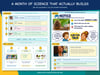
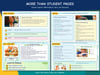
66 classroom-ready pages
4 weeks of instruction
20 hands-on science lessons
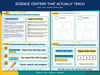
5 reusable science centers
Student writing areas use first-grade-appropriate space when writing is actually required. Name and Date use clean extended lines rather than handwriting rows. Oral-response activities use visual Turn and Talk prompts instead of pointless writing lines.
Hands-on tasks are designed to minimize unnecessary prep. When students can place cubes, blocks, or other manipulatives directly on a page, they do that instead of cutting out materials simply for the privilege of creating more scraps on the floor.
The goal is simple: more science, less prep theater. Use Think Like a Scientist as the opening unit for your first-grade science year, as a science-practices unit, or as a foundation before beginning content-specific units.
Your students get to investigate, argue from evidence, build things, change their minds, and ask better questions.
You get your science block planned.
And perhaps, against all odds, part of your Sunday back.