



The World Is Stranger Than You Think — Twenty Stories and Folktales From Around the World (PDF + EPUB)
A woodcutter shelters from a snowstorm and makes a promise he will keep for eighteen years. A demon lays a human skin across a board and paints it before putting it on. A civil servant's nose is found in a breakfast roll, and turns up days later in a carriage, dressed as a higher-ranking official than the man it left. A woman imprisoned by the Inquisition draws a ship in charcoal on the wall of her cell and asks the jailer whether it lacks anything.
These are not variants of one another. They come from twenty different places and twenty different centuries, and the only thing they share is that something in them refuses to behave.
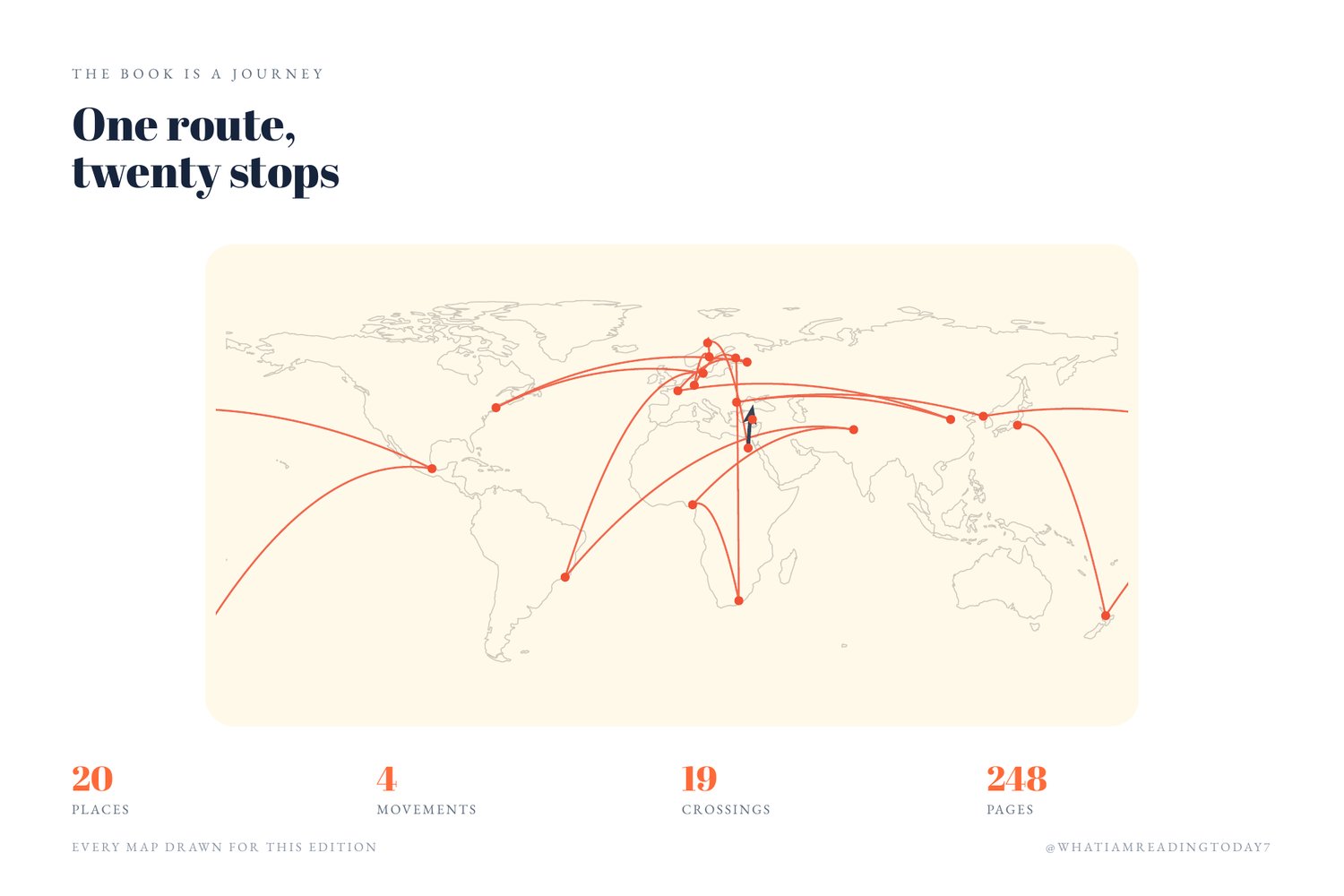
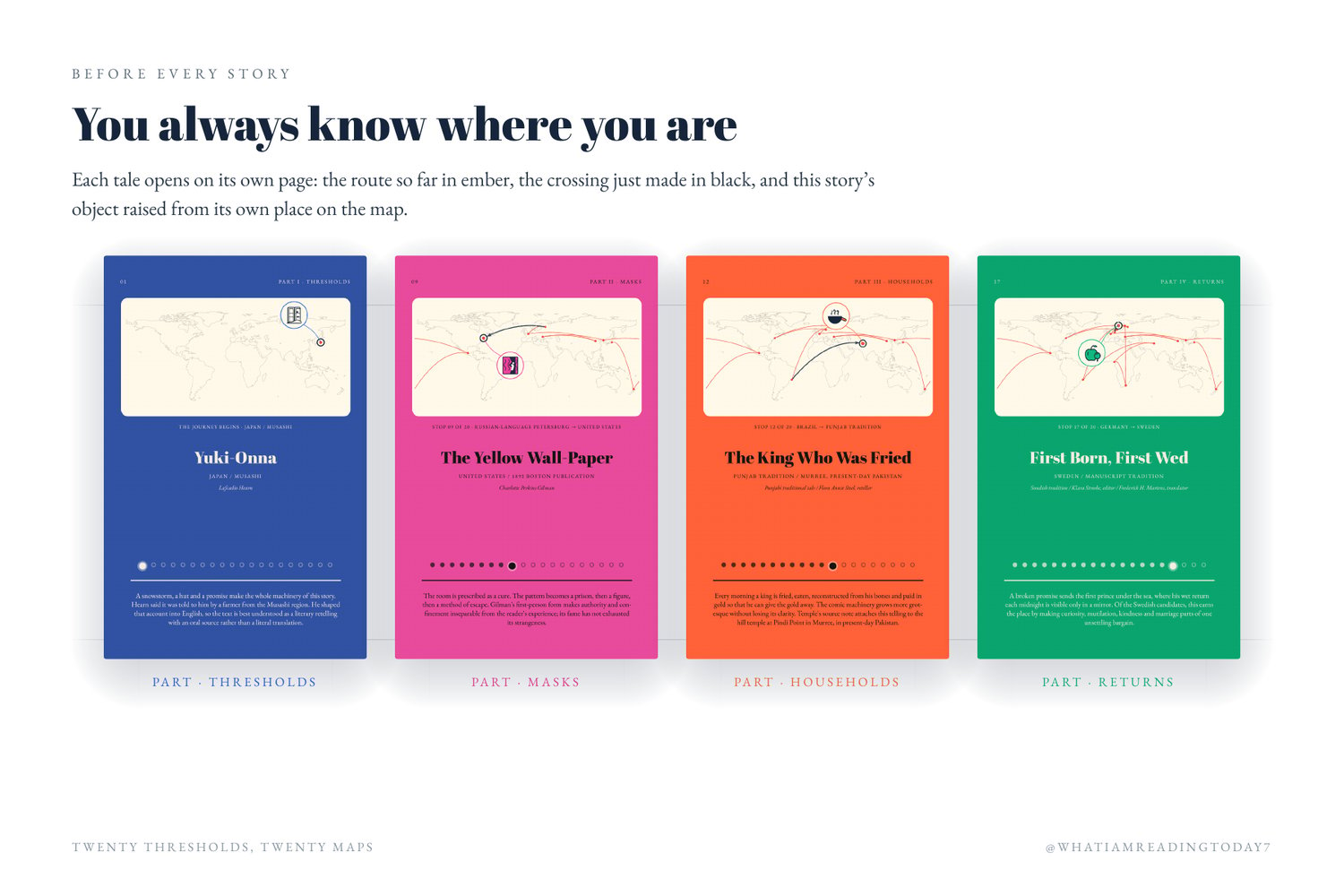
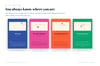
The book is built as a journey. The twenty are not ordered alphabetically or by continent but as four movements — Thresholds, Masks, Households, Returns — that move from crossings into altered worlds, through stories where appearance stops being reliable, into the strangeness that lives inside family and marriage and hunger, and out again through murder, return and escape.
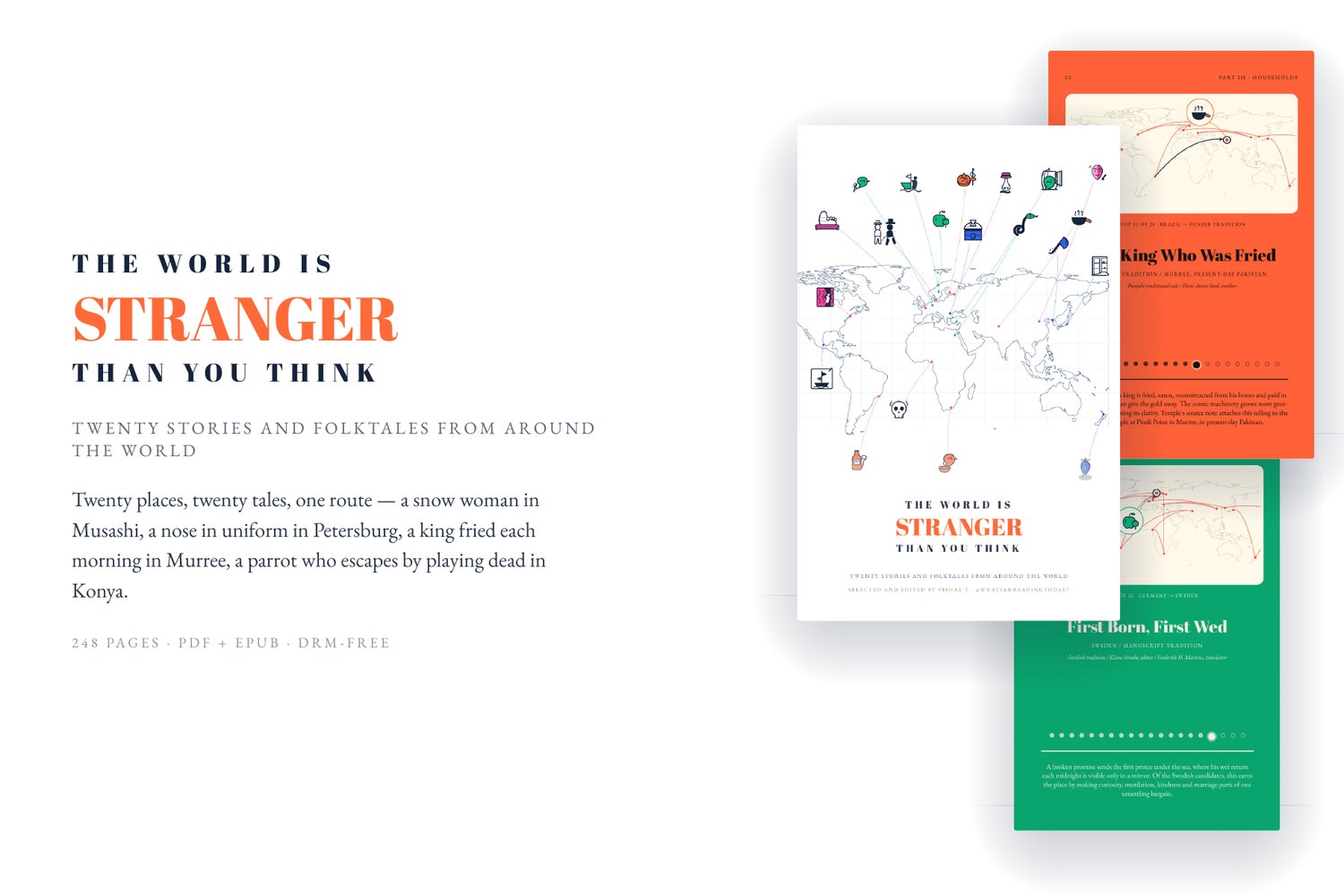
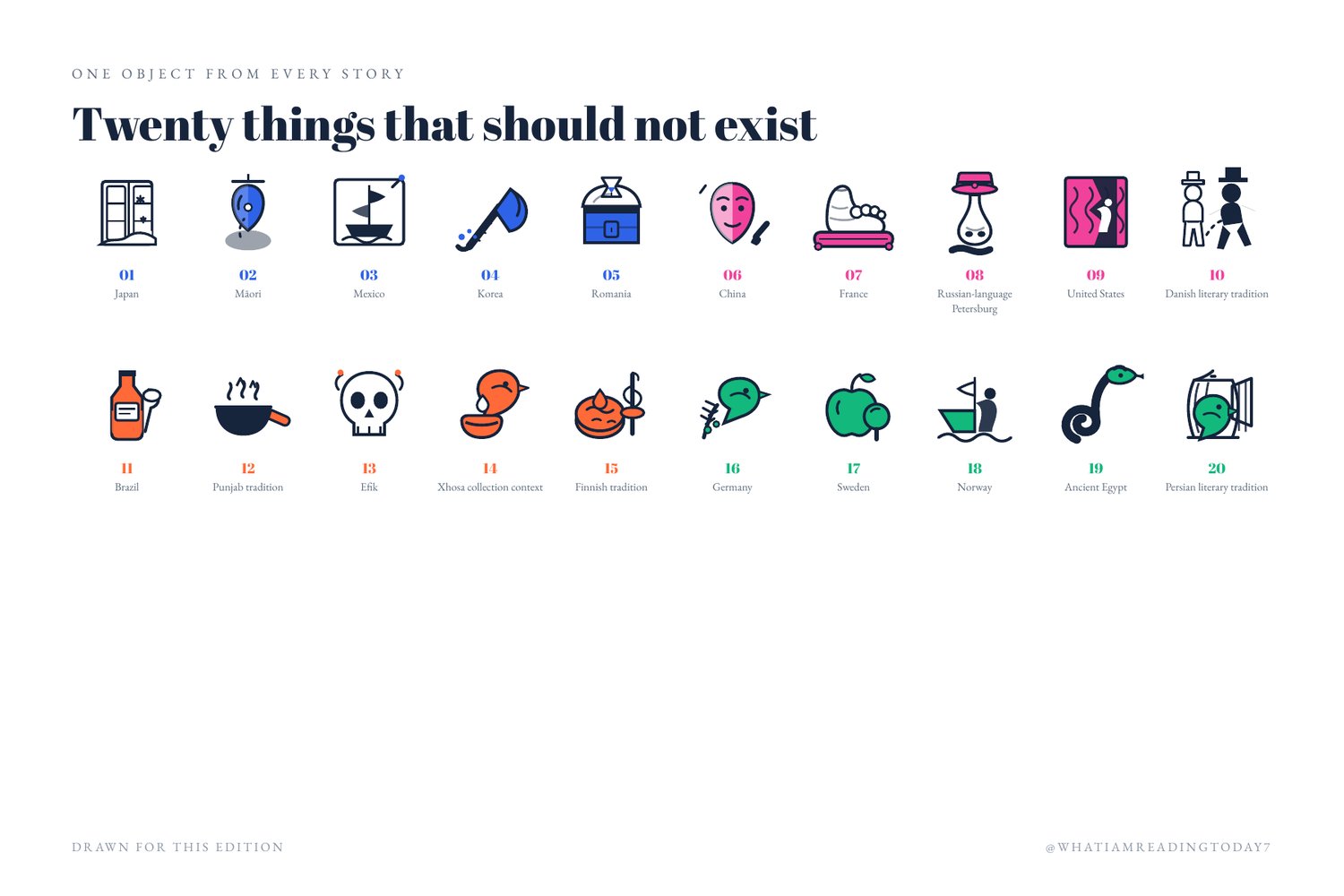
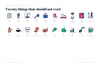
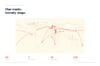
Before every story there is a full-page threshold: a world map showing the route so far in ember, the crossing you have just made in black, and that story's own object raised from its own place on the map on a coloured pin — a snow-filled doorway over Japan, a frying pan over Murree, an opened cage over Konya. By the twentieth story the whole route is lit.
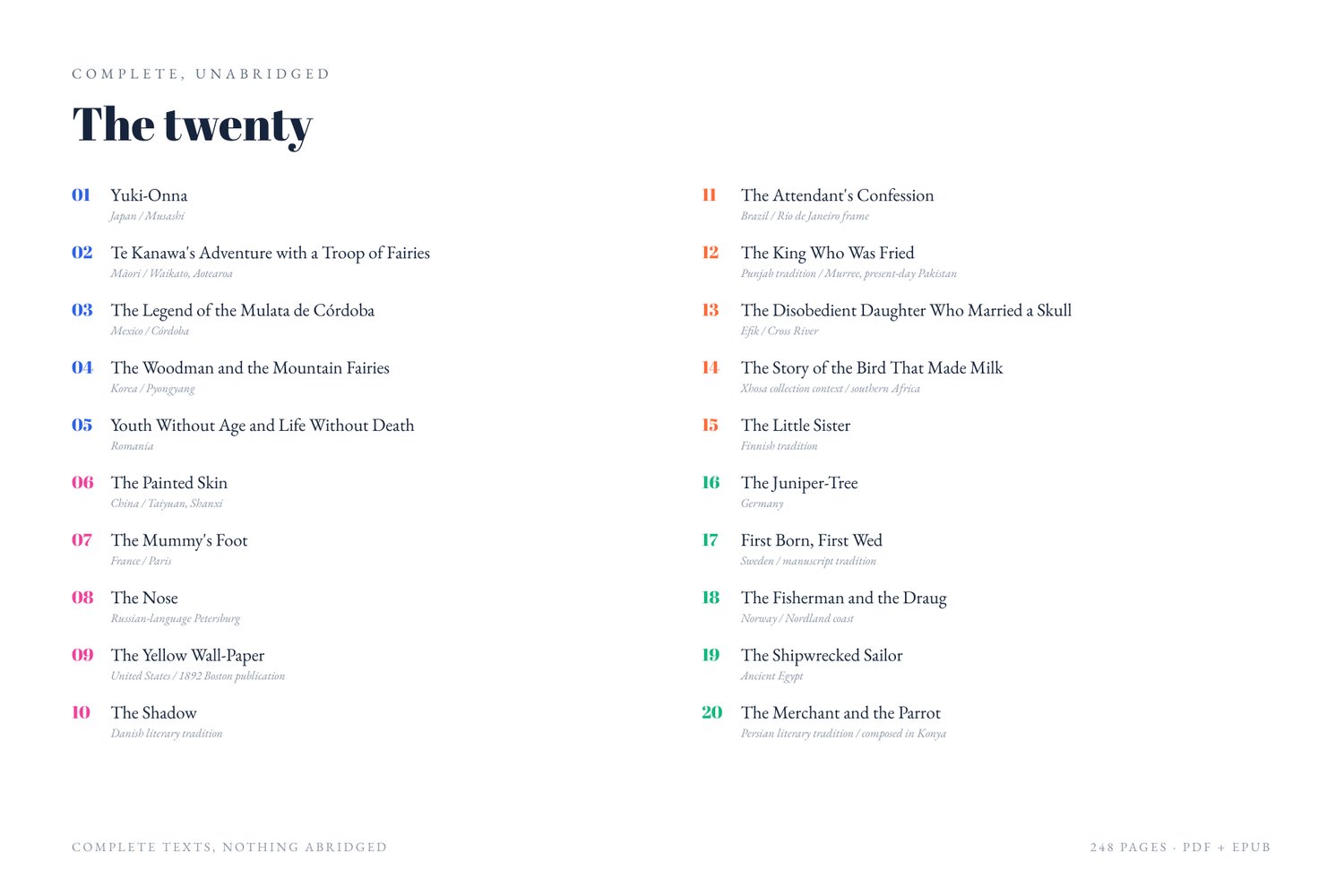
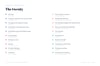
The twenty
Japan · Māori Aotearoa · Mexico · Korea · Romania · China · France · Russian-language Petersburg · United States · Denmark · Brazil · Punjab tradition, Murree · Efik, Cross River · Xhosa collection context, southern Africa · Finland · Germany · Sweden · Norway · Ancient Egypt · Persian literary tradition, composed in Konya
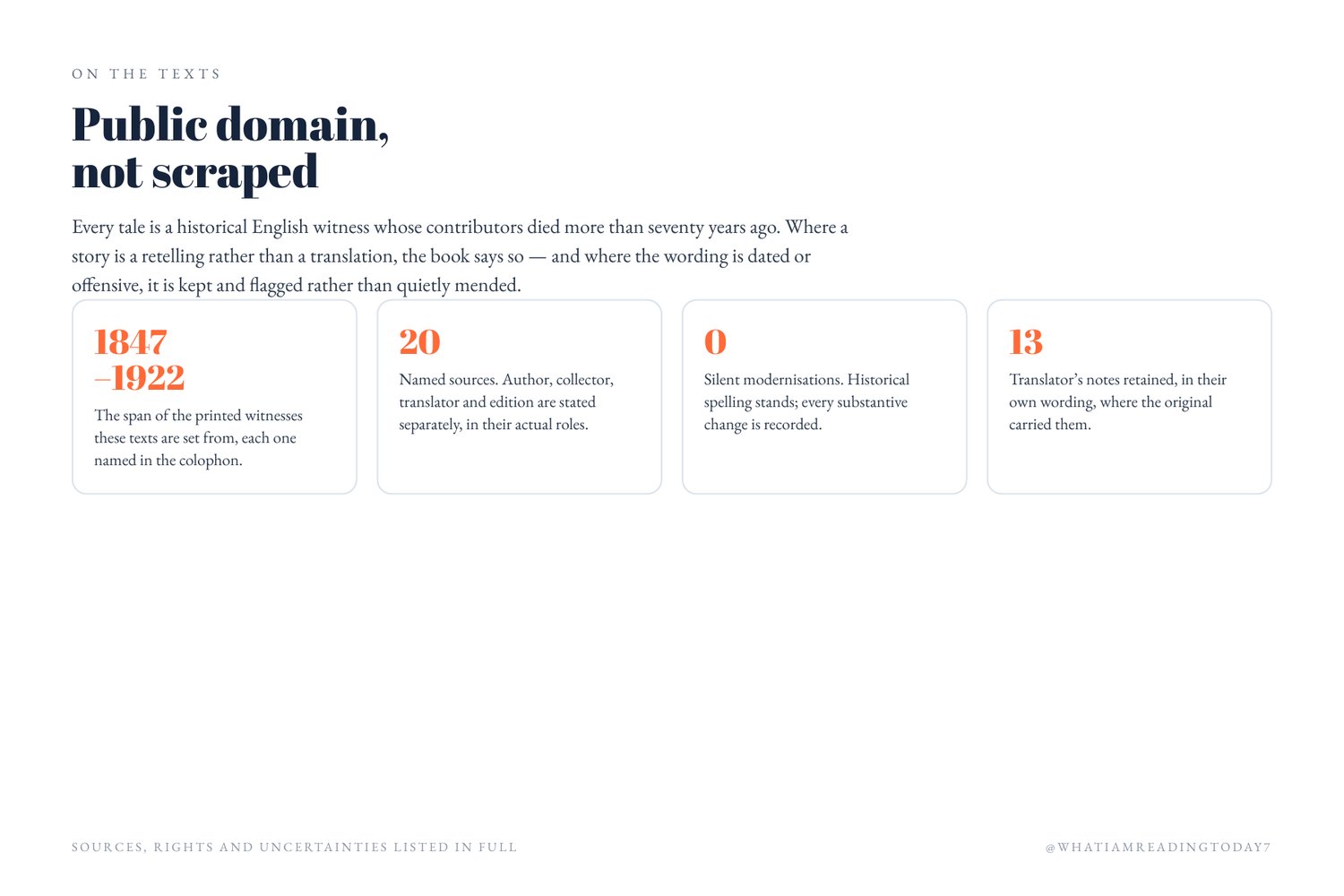
On the texts
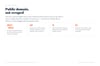
Every tale is a historical English witness whose contributors died more than seventy years ago — Lafcadio Hearn, Herbert Giles, Flora Annie Steel, Elphinstone Dayrell, Klara Stroebe, Flinders Petrie, James Redhouse and others, each named with the role they actually held: author, collector, recorder, reteller or translator, never blurred into one word.
Nothing is abridged and nothing is silently modernised. Historical spelling stands as printed. Where a text is a literary retelling with an oral source rather than a translation, the book says so on the page. Where a nineteenth-century English witness contains dated or offensive racial and ethnographic language, that wording is preserved as evidence of the witness and flagged in a reader's note and a colophon entry, rather than quietly mended.
Three earlier selections were removed rather than published: a Narran Lake story, because commercialising living Indigenous cultural knowledge without community authority is not ours to do; a Filipino selection whose contribution-rights chain was not clear enough; and a new translation that lacked independent bilingual review.
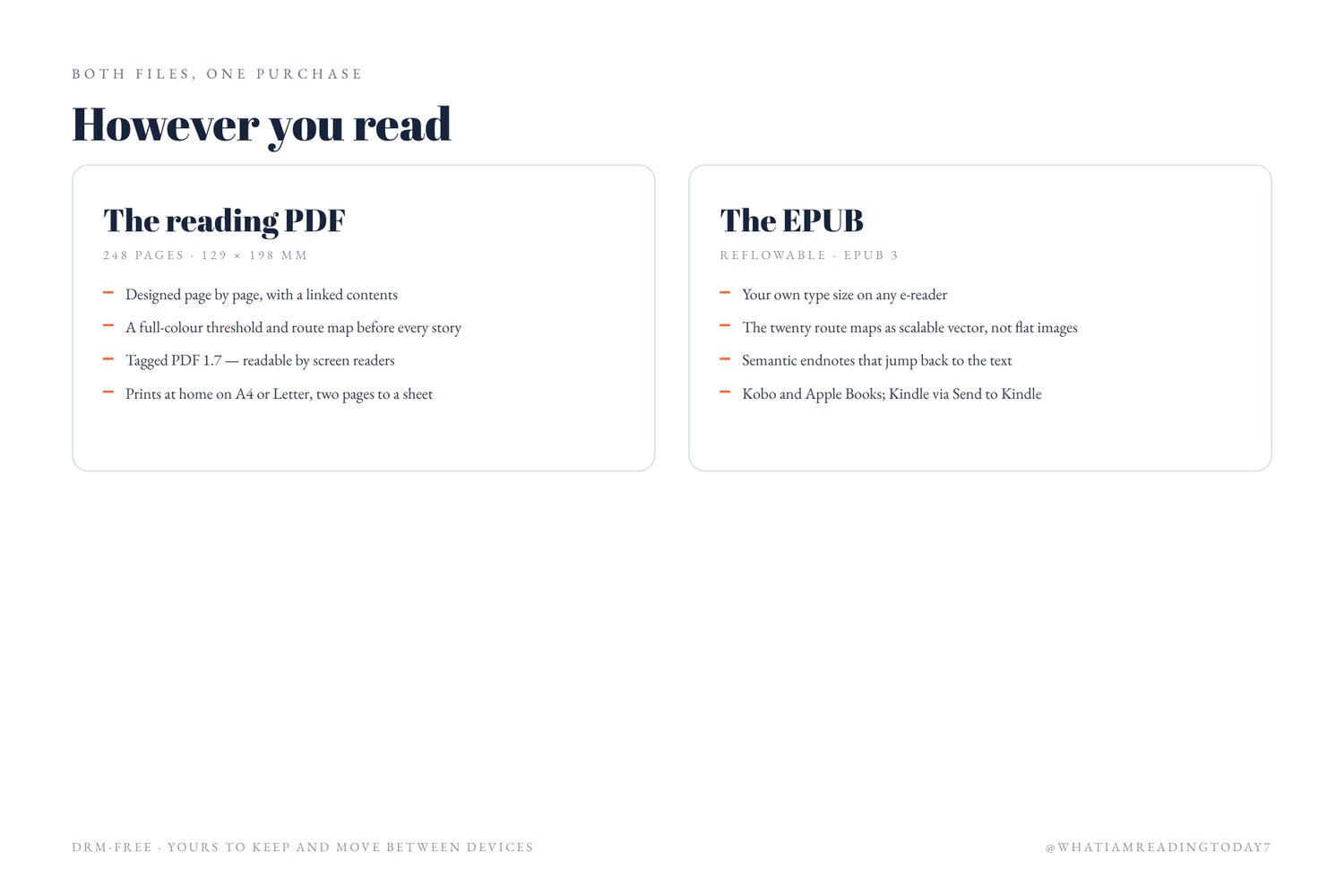
You receive
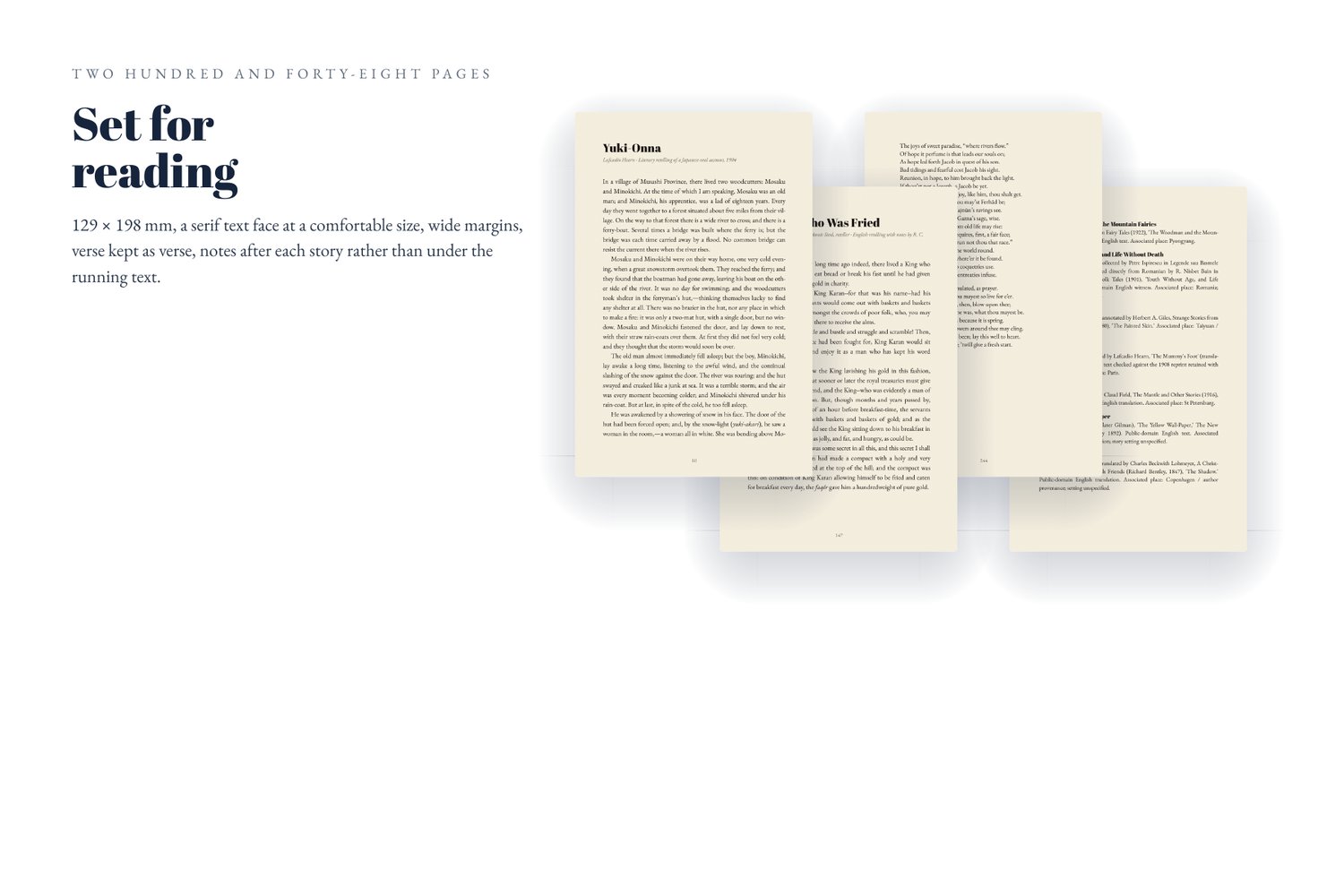
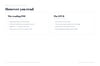
- a 248-page designed PDF at 129 × 198 mm, for screen reading or printing at home, tagged so screen readers can follow it;
- a reflowable EPUB 3 with the twenty route maps as scalable vector rather than flat images, and semantic endnotes that jump back to the text;
- DRM-free files that are yours to keep and move between devices.
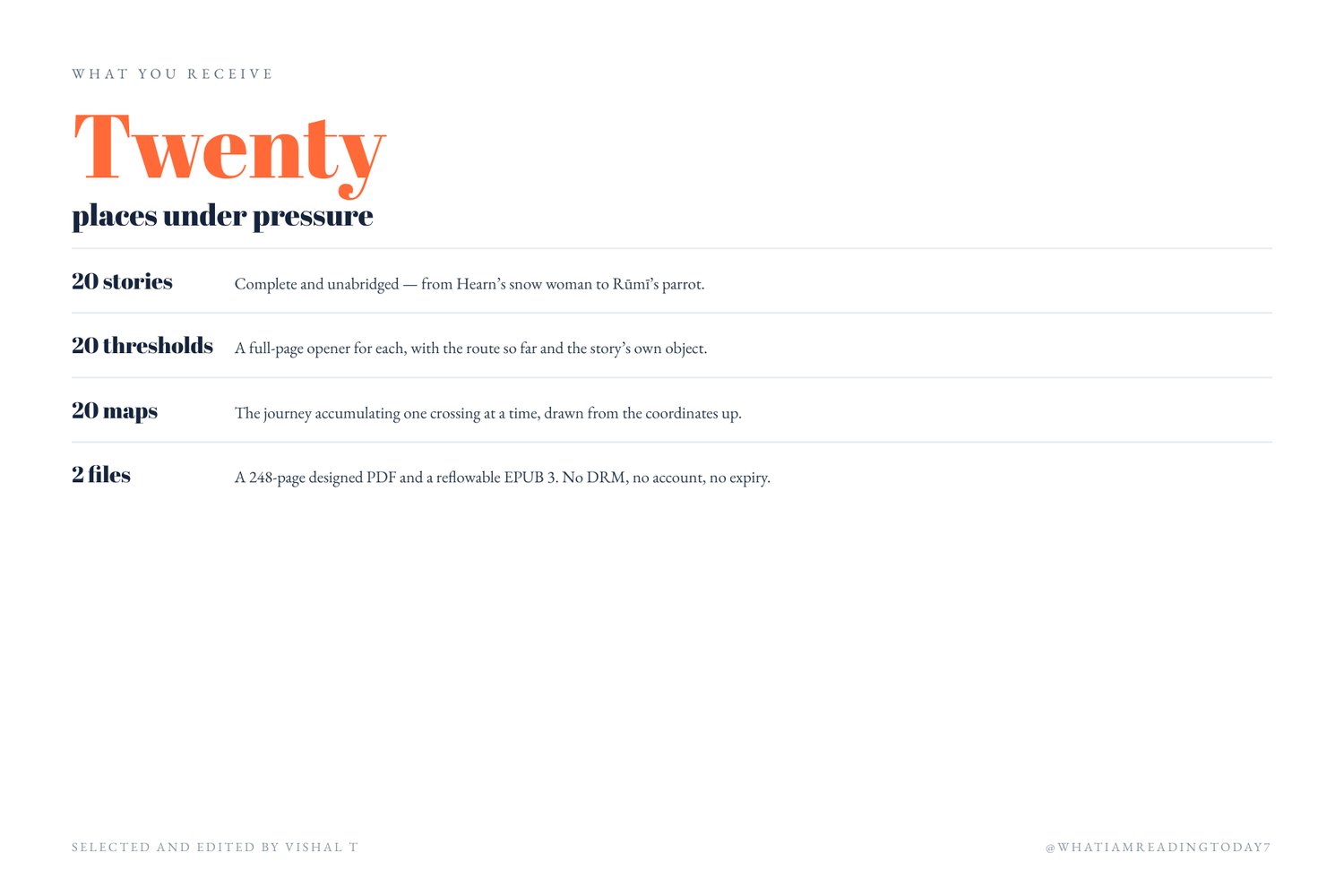
All twenty objects, all twenty maps and the cover are drawn for this edition in vector. There is no generated image and no licensed stock illustration anywhere in the book.
Selected and edited by Vishal T · @whatiamreadingtoday7