100 Phrases in Persian
1. Unlocking Rich History and Literature
Persian is often called the "language of poets." It's the language of some of the world's most influential and cherished literature, much of which is lost in translation.
Poetry and Philosophy: You gain direct access to the works of masters like Rumi (Jalāl ad-Dīn Muhammad Rūmī), Hafez, and Saadi. Their mystical and philosophical poetry has profoundly influenced global thought, art, and music for centuries.
Historical Depth: Farsi has been a lingua franca across Central Asia, South Asia, and the Middle East for over a thousand years. Learning it allows you to engage with the deep history of the Persianate world, from the ancient Achaemenid Empire to the modern nations of Iran, Afghanistan, and Tajikistan.
2. Cultural and Travel Immersion
Speaking Persian provides a powerful key to understanding the culture and connecting with its people.
Warmth and Hospitality: Iranians, in particular, are known for their extraordinary hospitality (taarof). Showing effort by speaking even a few phrases in Farsi can open doors and lead to much warmer, more authentic interactions than you would have as a monolingual tourist.
Art and Cinema: Iran has a thriving, world-renowned film industry and rich traditions in music, painting, and architecture. Farsi allows you to appreciate these art forms without relying on subtitles or interpretations.
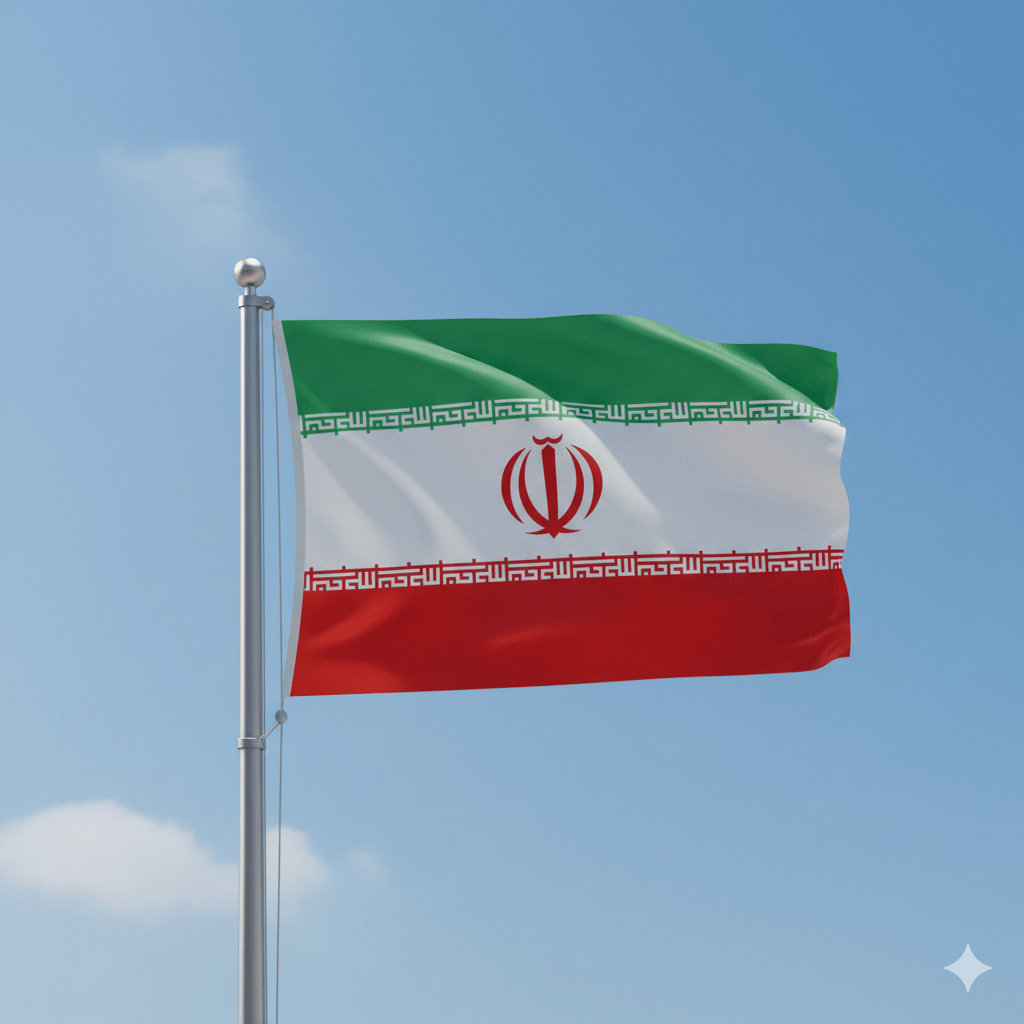
Widespread Use: Farsi is the official language of Iran, Afghanistan (where it is called Dari), and Tajikistan (where it is called Tajik). It is also spoken by communities in Uzbekistan, Iraq, and Bahrain, totaling over 110 million speakers globally.
3. Accessibility and Linguistic Benefits
While the script (a variant of the Arabic script) looks intimidating, the language itself is structurally simpler than many others.
Grammatical Simplicity: Unlike languages like Arabic or Russian, Farsi has no grammatical gender, and verb conjugations are generally straightforward and highly regular. There are no articles