
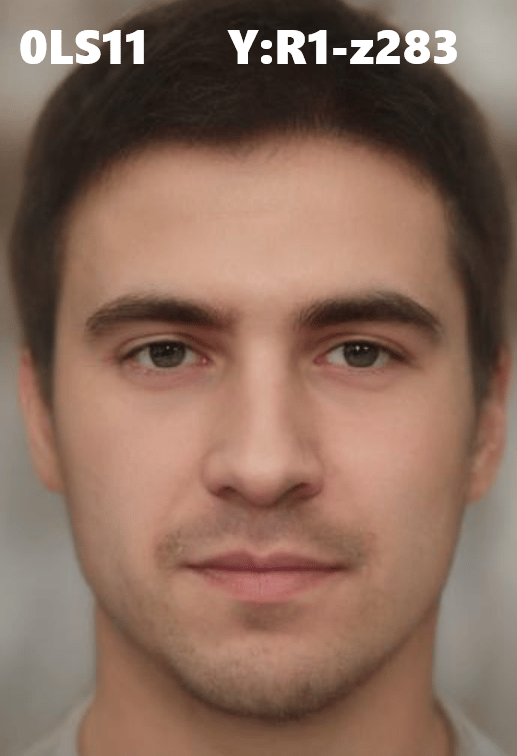
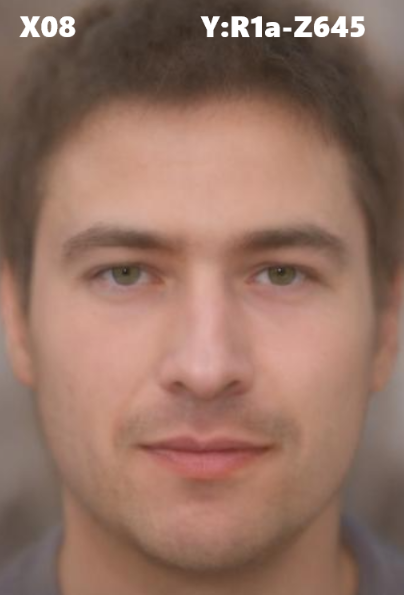
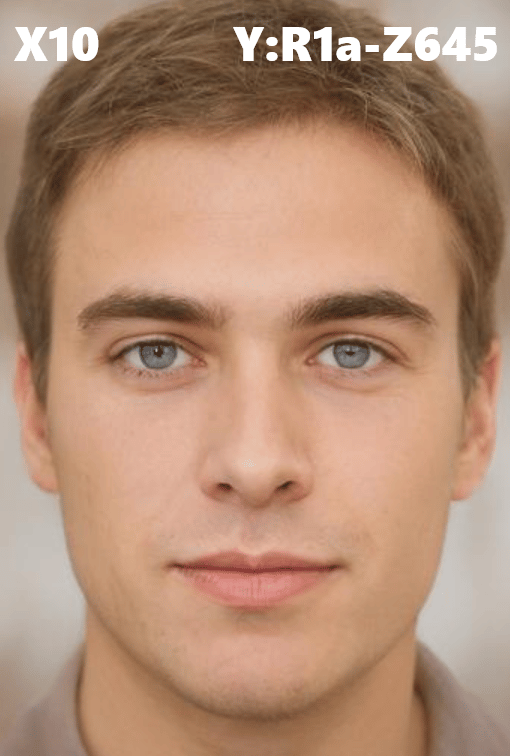
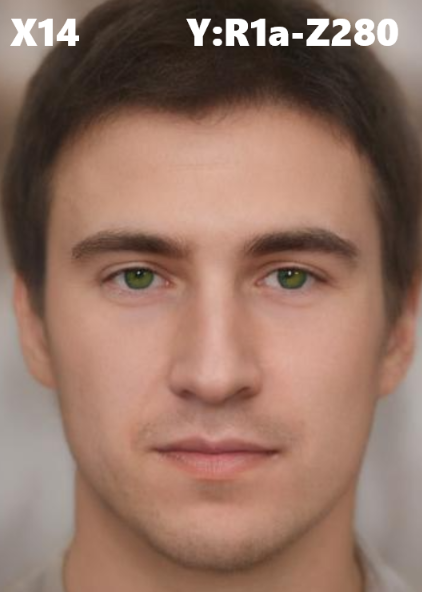





Estonia BA 5 samples 23andme format
In the bronze age, Indo-European steppe nomads entered Europe and conquered lands from the Atlantic to the Eastern Baltic.
As the bronze age was coming to an end, these Indo-European groups started evolving into the linguistic groups that make up modern Europe. Here’s a map of late bronze are indo-european groups in Europe. The samples we will cover in this video are a part of the Estonia_BA cluster shown on the map in green. These people lived in Estonia prior to the arrival of Uralic speakers, and date from 12th to 7th century BCE.
An interesting piece of trivia about these samples is that every single male from this group carried the Y lineage R1a, which is associated with the spread of the corded ware culture. Since this group predates Uralic speakers, the Uralic Y lineage N1 is not found among them.
According to G25, the closest modern groups to these people are Balts. G25 finds a large portion of steppe ancestry in bronze age estonians, however qpAdm suggests even higher Steppe admixture. According to qpAdm, 2 thirds of their ancestry derives from the steppe.
According to an Fst run computed with admixtools 2, bronze age estonians are most similar to belarusians, Russians, and other slavs.
A mesolithic ancestry breakdown computed with qpAdm suggests that the dominant ancestral component in bronze age estonians was the Eastern hunter gatherer component. These people had very high contribution from the eastern and western hunter gatherers, over half of their ancestry was of mesolithic european origin, which is higher than every European ethnicity today.
A neanderthal ancestry run revealed that bronze age estonians carried just below 2 percent neanderthal ancestry, which is on par with what is typical for modern europeans.