Dotzauer, J. J. F — Two-octave Scales from Appendix 1 of the Violoncello School, Op. 65
Embarking on a journey to the open sea is already challenging per se, but going headfirst when you know the task ahead is far greater than anything you have ever faced before requires a considerable dose of recklessness.
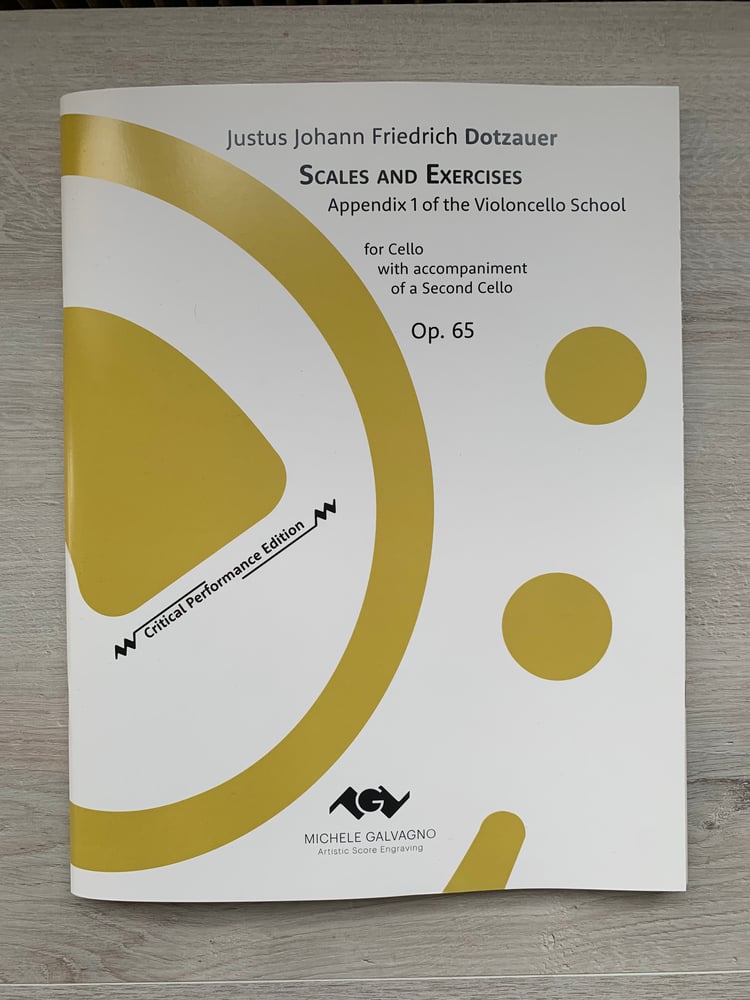
The Violoncello School, Op. 65, by Justus Johann Friedrich Dotzauer (1783–1860), published in 1824, is much more than a stormy sea or an iceberg on a chilly night: it is a gargantuan, mythological creature from a forgotten past. It comprises over 150 pages of technical text adorned with musical examples and two appendices, the first containing 63 scales and exercises not requiring the thumb position, and the second containing 24 duets and exercises requiring the thumb.
Already when it was published over 200 years ago, it proved to be both the most incredible work of its kind and a mastodon title with a matching price! This convinced me to approach this work from a different perspective—namely, by splitting it into smaller, more manageable units.
The publishing plan will comprise:
- the full textual part by itself, exclusively as an electronic publication (ASE 0092);
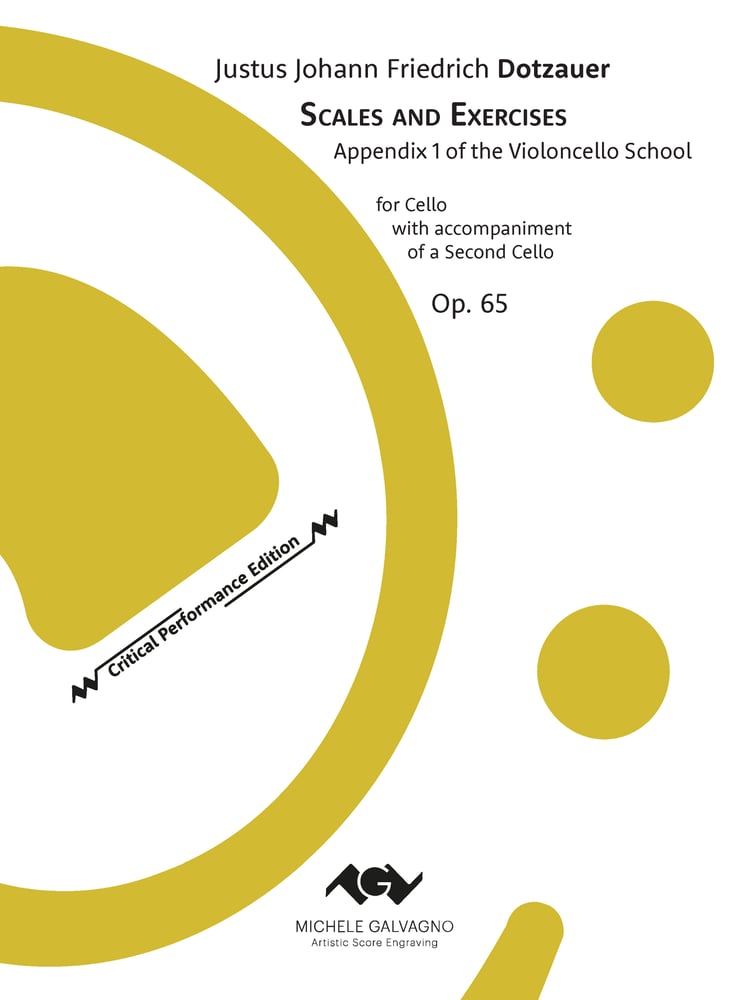
- the first appendix by itself—already available here (ASE 0104);
- the second appendix by itself (ASE 0106);
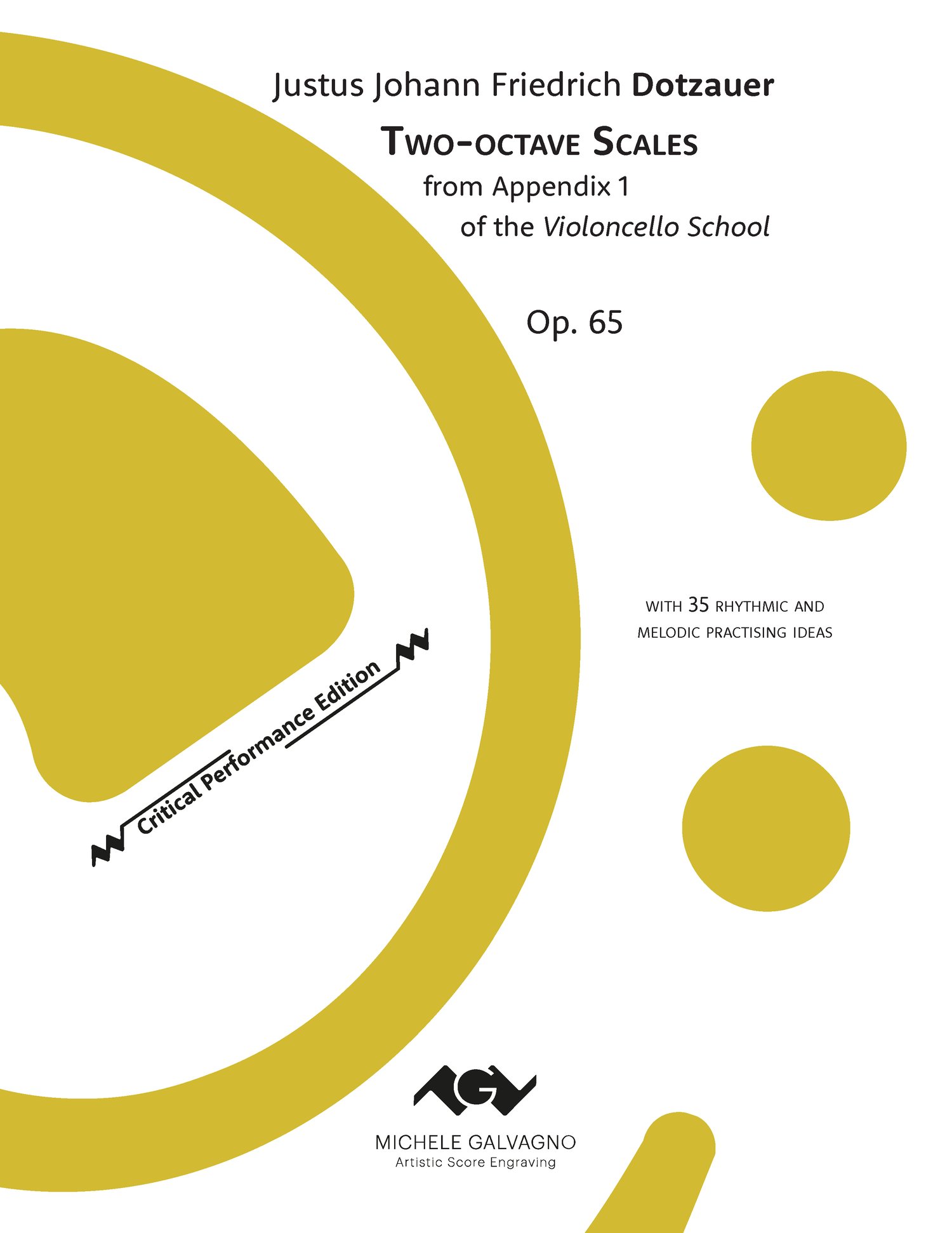
- an extract of only the scales from the first appendix with 35 practicing ideas—today’s publication! (ASE 0110);
- a premium edition, exclusively available in print format, containing all of these bundled together!
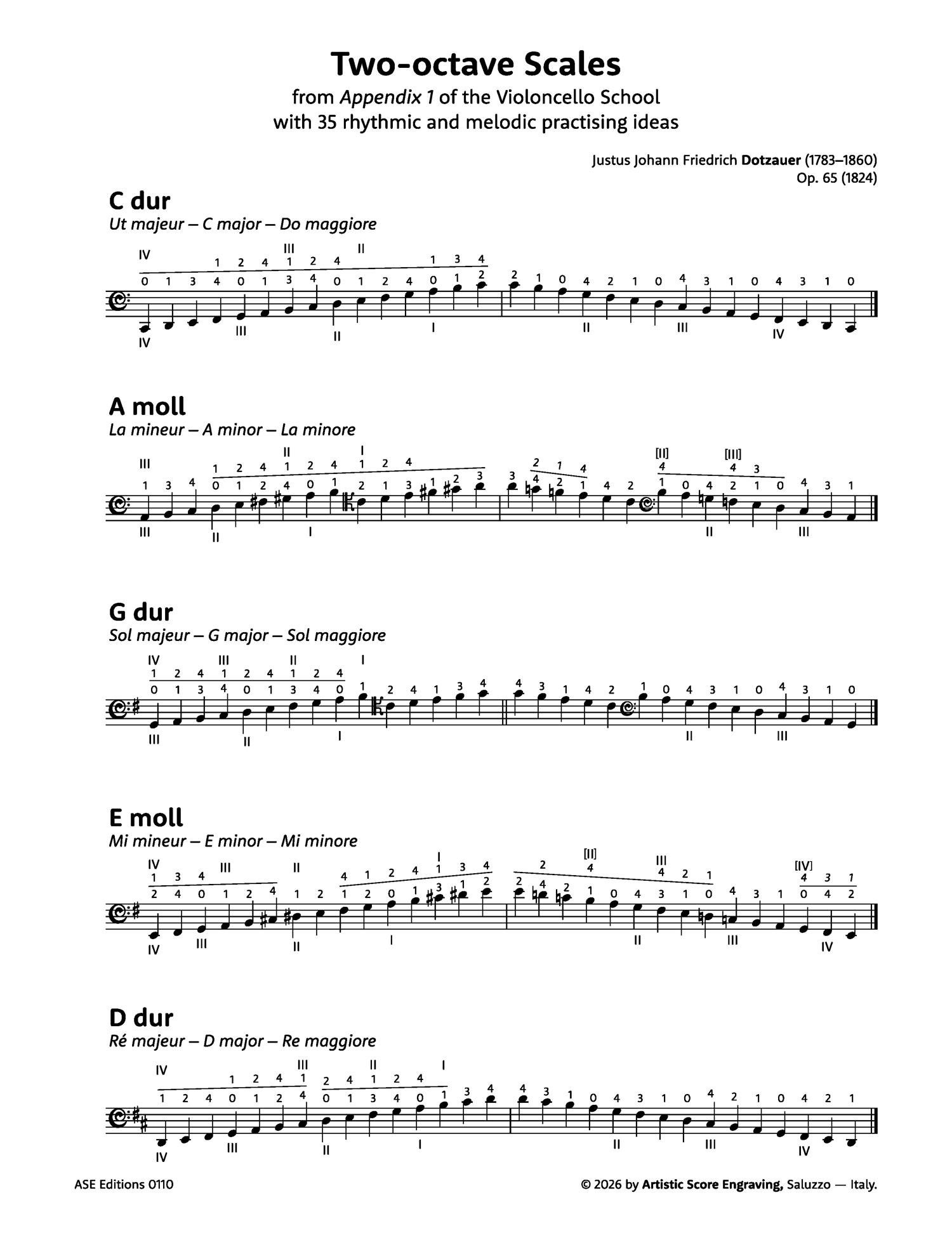
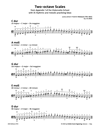
The present publication includes the two-octave scales from the first appendix of the Violoncello School, followed by thirty-five practicing ideas elaborated from the duets that originally accompanied the scales in Dotzauer’s text.
The scales span two octaves and are often offered with two sets of fingerings—one employing open strings and one avoiding them. The initial 13 practicing ideas are original by Dotzauer and serve as a sort of blueprint for practising all other scales. I then took the liberty of inspiring myself to the accompaniment of the 50 duets that followed to create more patterns and technical challenges to increase the benefits brought by the scales themselves.
The full score (28 pages) includes also a thorough Editorial section and a detailed description of each scale and exercise, leaving nothing to chance.
This edition continues our editorial journey, one dedicated to the cello schools that have shaped our instrument’s history! Stay tuned for the next chapters, as I can guarantee you that you will not be disappointed!