

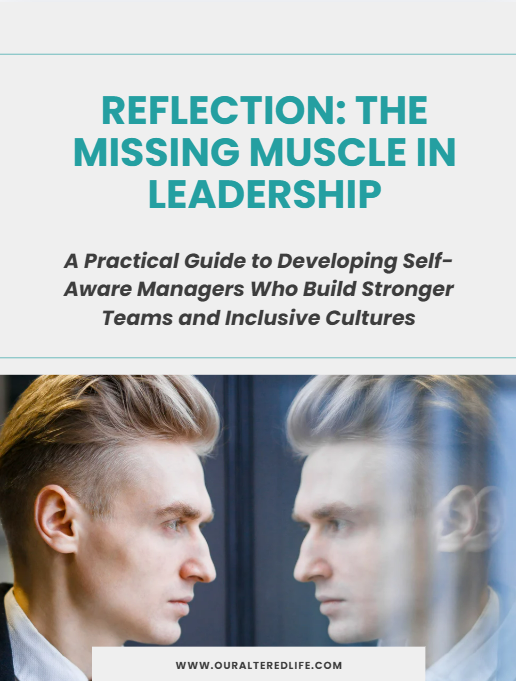
Reflection: The missing muscle in leadership
We invest heavily in strategy, systems and performance targets.
But culture, and results are shaped in conversations.
And that means they’re shaped by managers.
Self-reflection is one of the most powerful and most overlooked leadership skills. Not overthinking. Not self-criticism. But clear awareness of impact.
When managers lack reflection, the cost rarely appears in one dramatic moment. It shows up quietly in:
– avoidable turnover
– disengagement
– reactive decision-making
– unnecessary escalations
– talented people withdrawing rather than speaking up
Reflective managers operate differently.
- They notice tension earlier.
- They adjust before performance dips.
- They separate intent from impact.
- They build trust without lowering standards.
Over time, that translates into:
✔ Stronger retention
✔ Higher engagement
✔ Better team dynamics
✔ Fewer “people problems” draining leadership time
✔ Greater alignment between values and behaviour
This guide is practical and grounded. It includes:
– A Self-Reflection Audit
– Five-minute daily practices
– Real-life leadership examples
– Unconventional reflection tools
– A Shadow Side section (so awareness doesn’t turn into self-blame)
– A Reflection Safety Checklist to protect confidence while you grow
This is a positive leadership tool, the kind organisations often wish they’d embedded earlier.
If you manage people, influence culture, or lead teams, this will strengthen how you show up — and that always shows up in the results.
Leadership starts with us.