

Aristotle, Ethics and the 'Art' of Leadership
On Sale
£2.25
£2.25
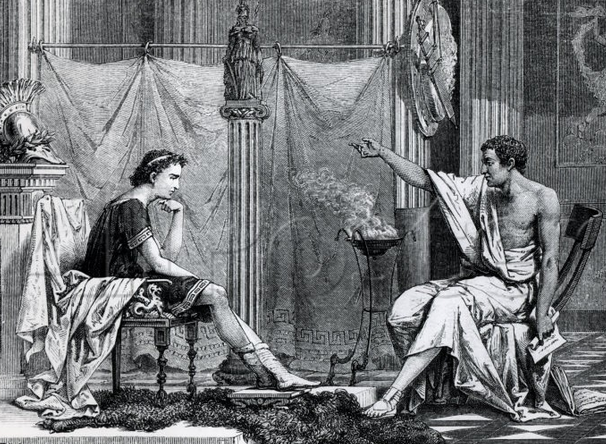
Aristotle’s ‘master virtue’ of phronesis, which combines ethics and action so that people can ‘live well’ and be happy, is often seen as the key to effective leadership. But it tends to be too narrowly defined. A re-reading of Aristotle’s Nicomachean Ethics reveals that phronesis is linked not only to knowledge, skill, wisdom and intelligence but also to sensory perception, intuition and aesthetics. For Aristotle, doing the right thing partly depended on seeing and appreciating the fine thing. This raises important questions about how leaders reach their decisions — and about the skills organizational leadership involves.