
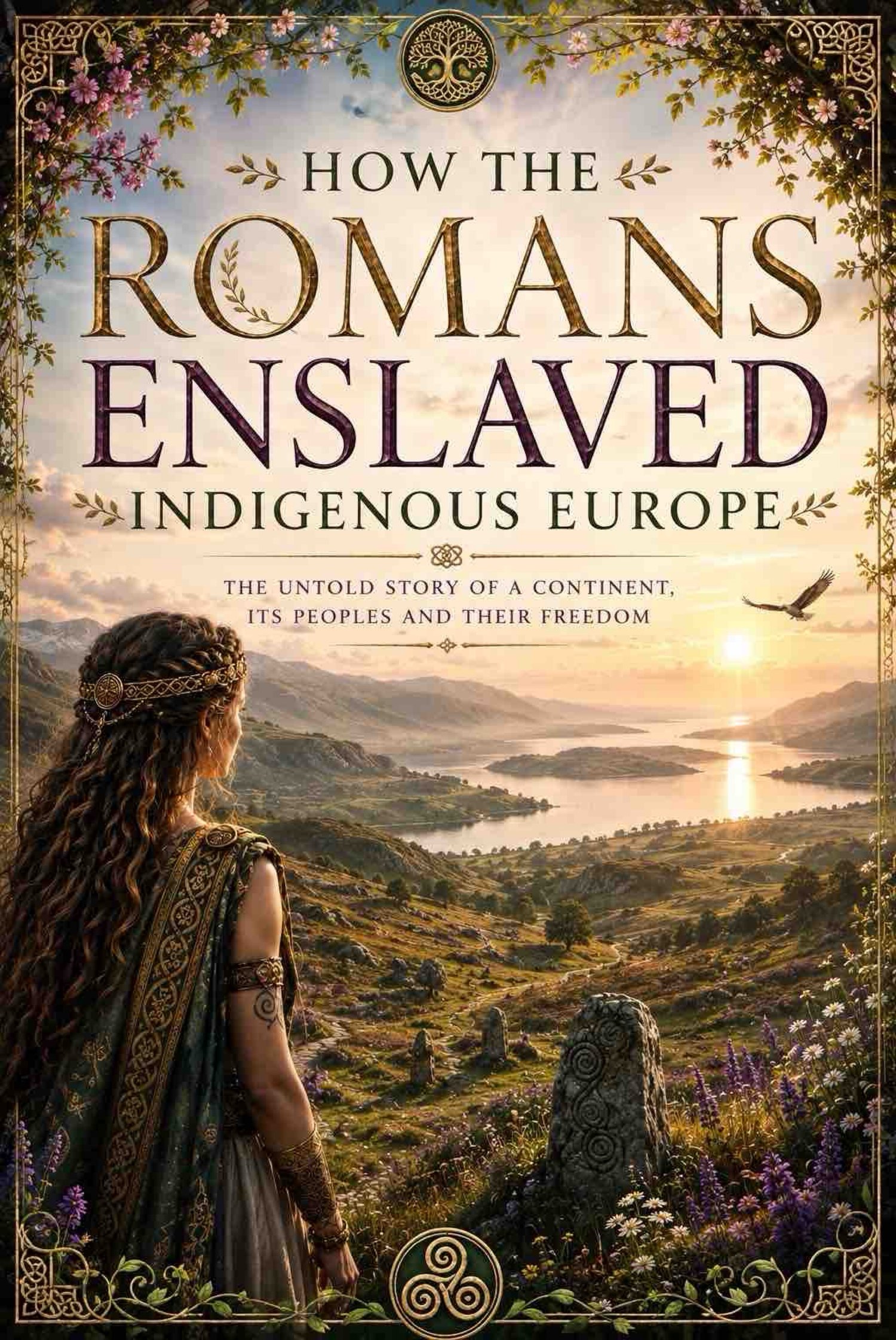
How The Romans Enslaved Indigenous Europe
How the Romans Enslaved Indigenous Europe
For centuries, the story of Rome has been told through the voices of its conquerors. Celebrated as the architects of civilisation, the Roman Empire left behind magnificent monuments, roads, and written records. Yet beneath this familiar history lies another story—one of conquest, cultural destruction, forced labour, and the resilience of Europe’s Indigenous peoples.
How the Romans Enslaved Indigenous Europe explores the lives of the Celtic and other Indigenous communities who lived across Europe before Roman expansion. Drawing on archaeological discoveries, historical evidence, and surviving cultural traditions, this book examines their sophisticated societies, sacred relationship with the natural world, craftsmanship, trade networks, languages, and spiritual beliefs.
It also explores the realities of Roman conquest: the destruction of settlements and sacred places, the enslavement of conquered peoples, the suppression of native customs, and the ways Roman writers shaped historical narratives that continue to influence how these cultures are perceived today. Alongside these themes, the book considers the ongoing scholarly debates surrounding ancient sources, encouraging readers to compare literary accounts with archaeological evidence.
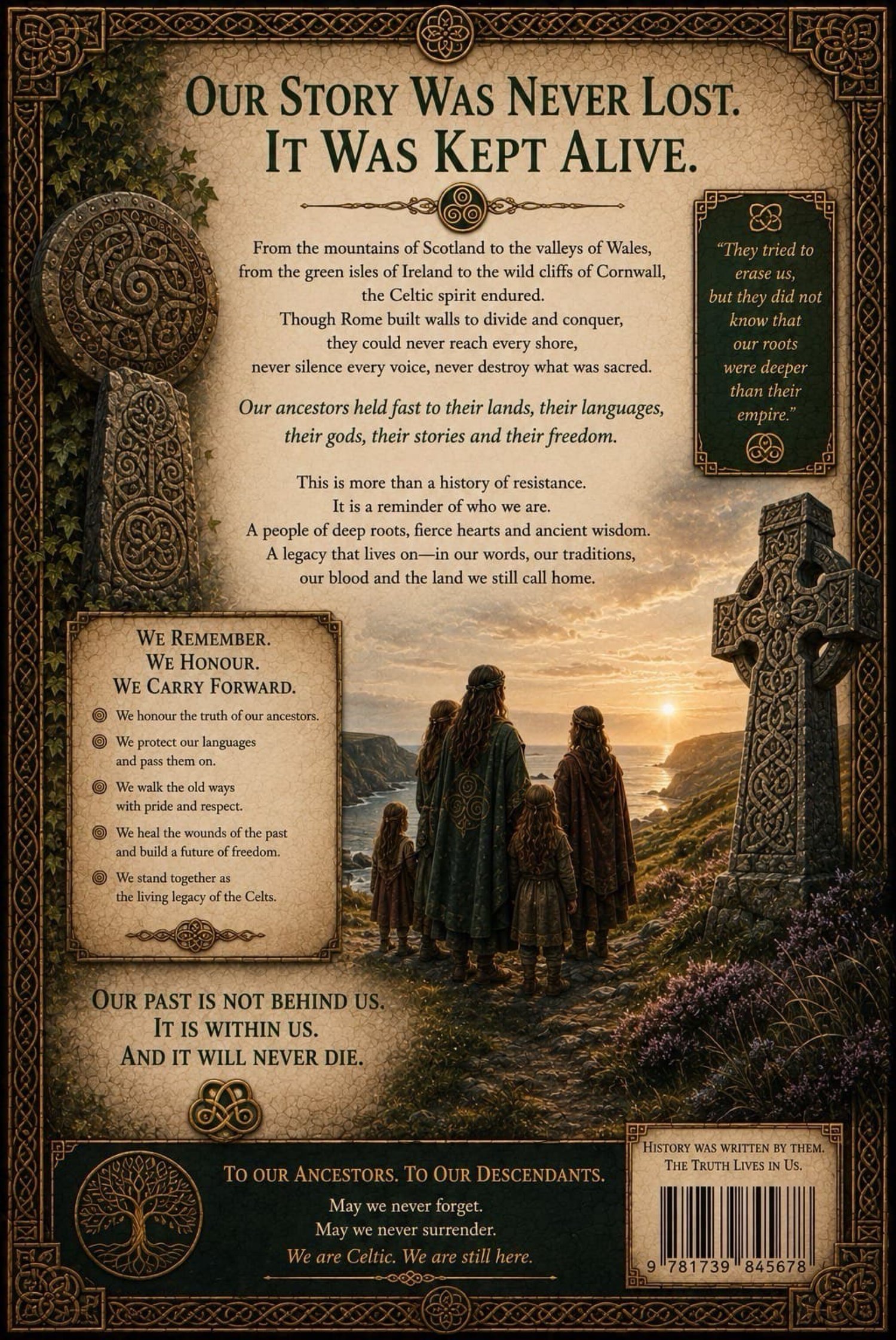
More than a history of loss, this is a story of survival.
From the mountains of Scotland to the valleys of Wales, from the coasts of Cornwall to the shores of Ireland, the descendants of Europe’s Indigenous peoples continue to preserve languages, traditions, music, stories, and a deep connection to the land. Their heritage reminds us that culture can endure even through centuries of conquest.
Richly illustrated throughout, this book invites readers to look beyond familiar historical narratives, rediscover the peoples who shaped Europe long before Rome, and reflect on the enduring legacy of identity, resilience, and remembrance.