

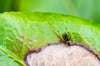
Relación entre la distancia de forrajeo y el transporte de biomasa en el género Atta/ Relationship between foraging distance and biomass transport in the genus Atta
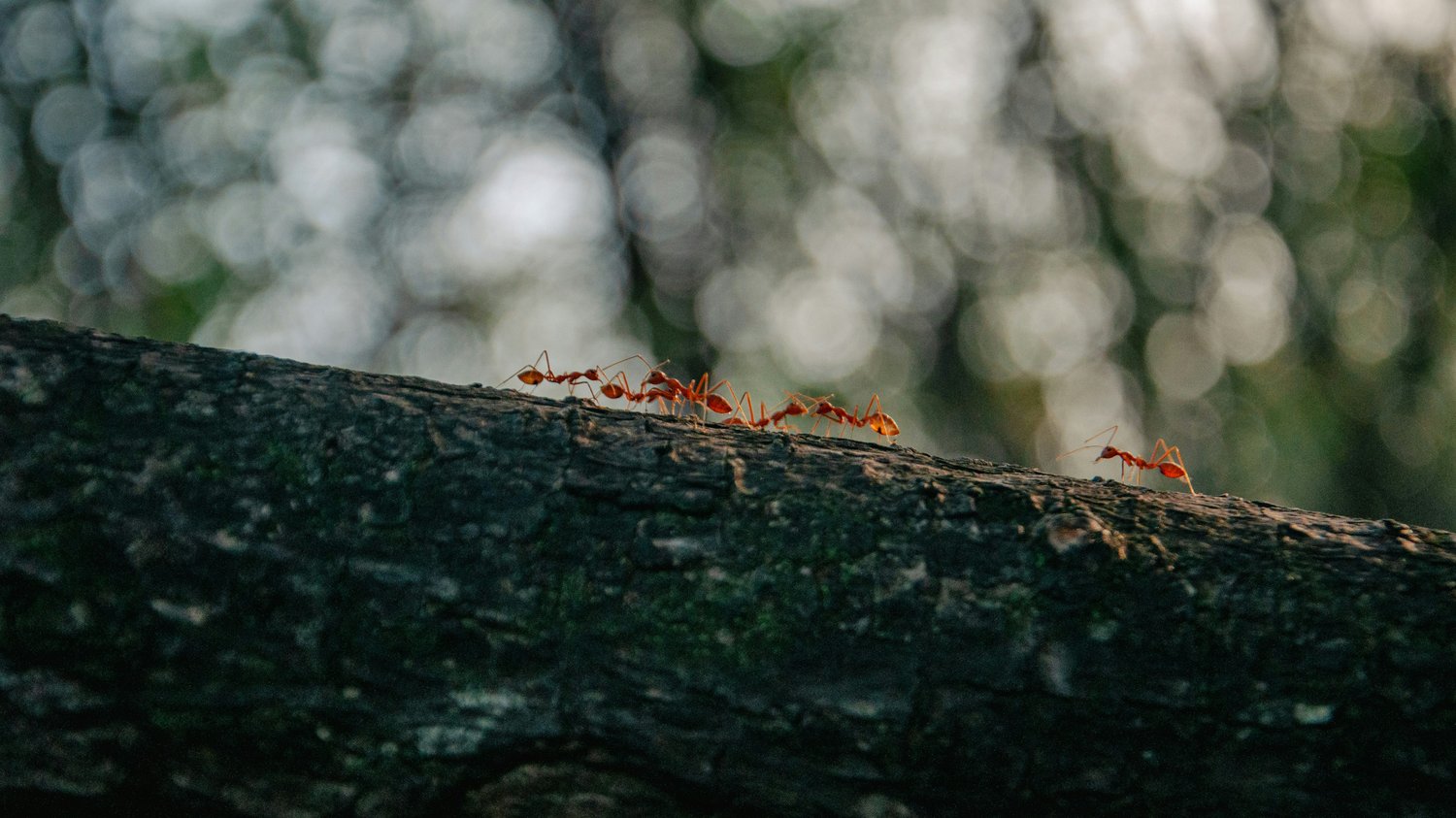
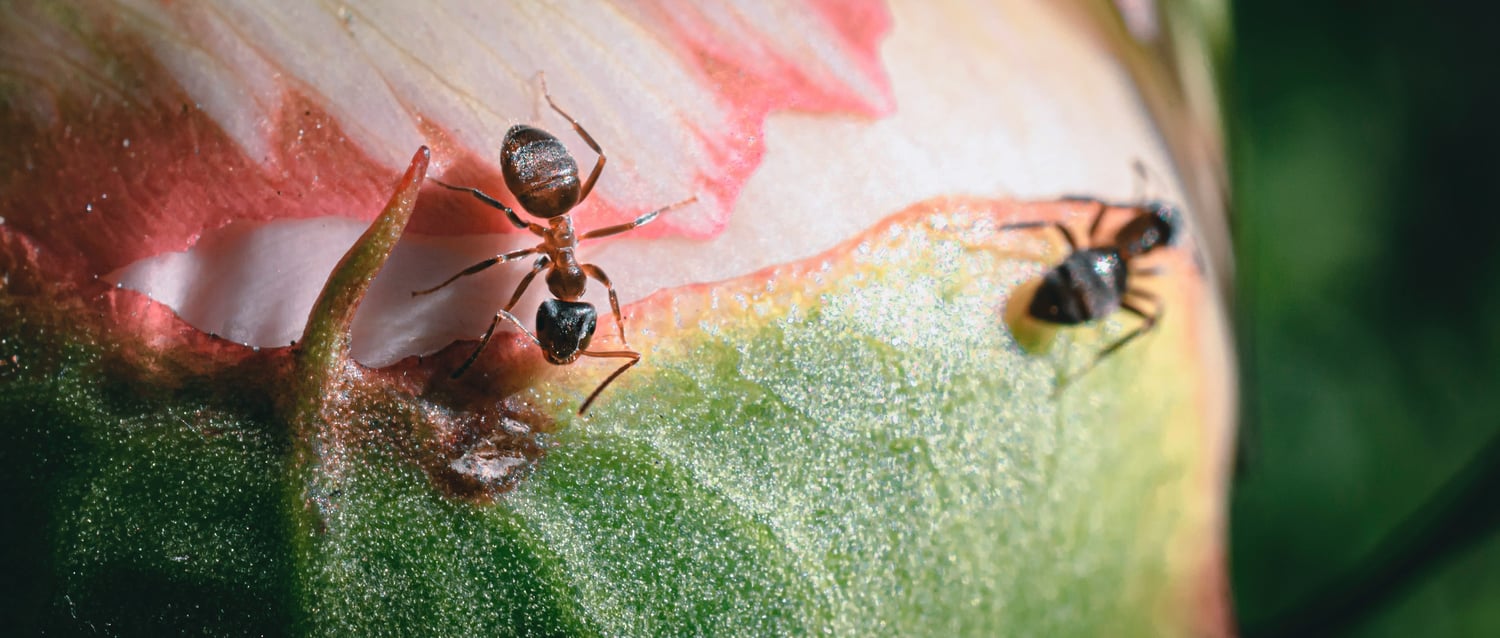
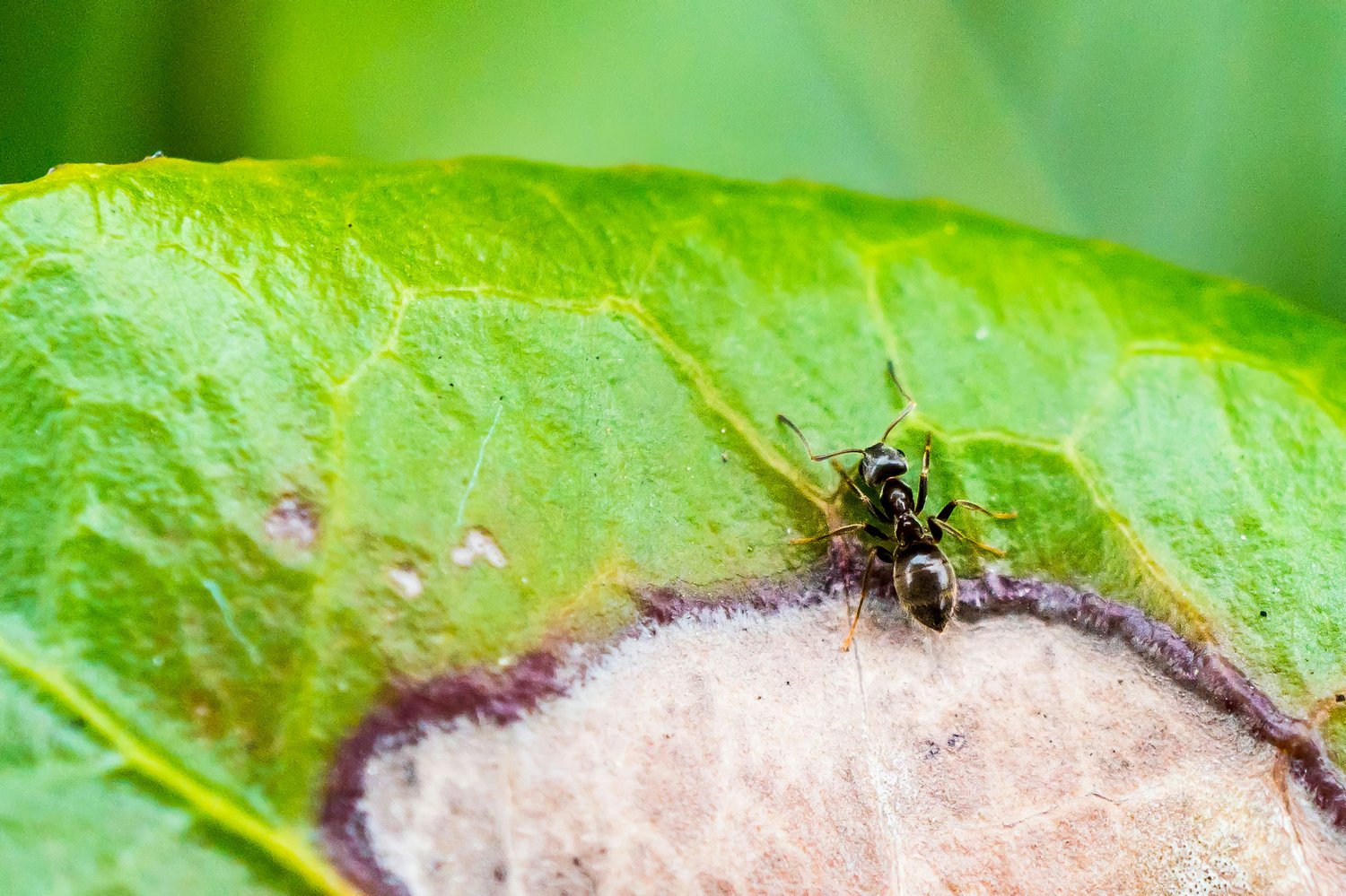
El trabajo de ecología se centrará en investigar la relación entre el tamaño de la biomasa transportada por el género Atta (hormigas cortadoras de hojas) y la distancia que recorren durante sus actividades de forrajeo. Se analizará cómo las hormigas seleccionan y transportan diferentes tamaños de material vegetal, evaluando variables como la cantidad de carga en relación con su tamaño corporal.
Se establecerá un diseño experimental en un hábitat natural, donde se marcarán diferentes senderos utilizados por las hormigas para observar y medir la distancia que recorren. Se registrarán diferentes tamaños de biomasa transportada, considerando hojas enteras, fragmentos de hojas y otros materiales. Las mediciones incluirán el peso de las cargas y la longitud del recorrido, recogiendo datos en diferentes momentos del día para observar variaciones en el comportamiento.
Para analizar la relación entre ambas variables, se aplicarán métodos estadísticos, buscando patrones que indiquen si existe una correlación significativa entre el tamaño de la biomasa transportada y la distancia recorrida. Adicionalmente, se discutirá cómo factores ambientales, como la disponibilidad de recursos y la competencia entre colonias, pueden impactar este comportamiento.
El estudio concluirá con la interpretación de los resultados en el contexto del ecosistema, destacando la importancia del género Atta en la dinámica del ecosistema y su rol en la descomposición y redistribución de nutrientes. Esto ayudará a entender mejor las interacciones ecológicas y el comportamiento adaptativo de las hormigas en su hábitat.
Este trabajo corresponde a mis estudios e investigaciones en el pregardo de Biología
The ecology work will focus on investigating the relationship between the biomass size transported by the genus Atta (leafcutter ants) and the distance they travel during foraging activities. It will analyze how ants select and transport different sizes of plant material, evaluating variables such as load quantity in relation to their body size.
An experimental design will be established in a natural habitat, where different trails used by the ants will be marked to observe and measure the distance they cover. Various sizes of transported biomass will be recorded, considering whole leaves, leaf fragments, and other materials. Measurements will include the weight of the loads and the length of the journey, collecting data at different times of the day to observe variations in behavior.
To analyze the relationship between both variables, statistical methods will be applied, seeking patterns that indicate if there is a significant correlation between the size of the transported biomass and the distance traveled. Additionally, it will discuss how environmental factors, such as resource availability and competition between colonies, may impact this behavior.
The study will conclude with the interpretation of the results in the context of the ecosystem, highlighting the importance of the genus Atta in ecosystem dynamics and its role in decomposition and nutrient redistribution. This will help better understand ecological interactions and the adaptive behavior of ants in their habitat.
"This work corresponds to my studies and research in the Bachelor's degree in Biology."