
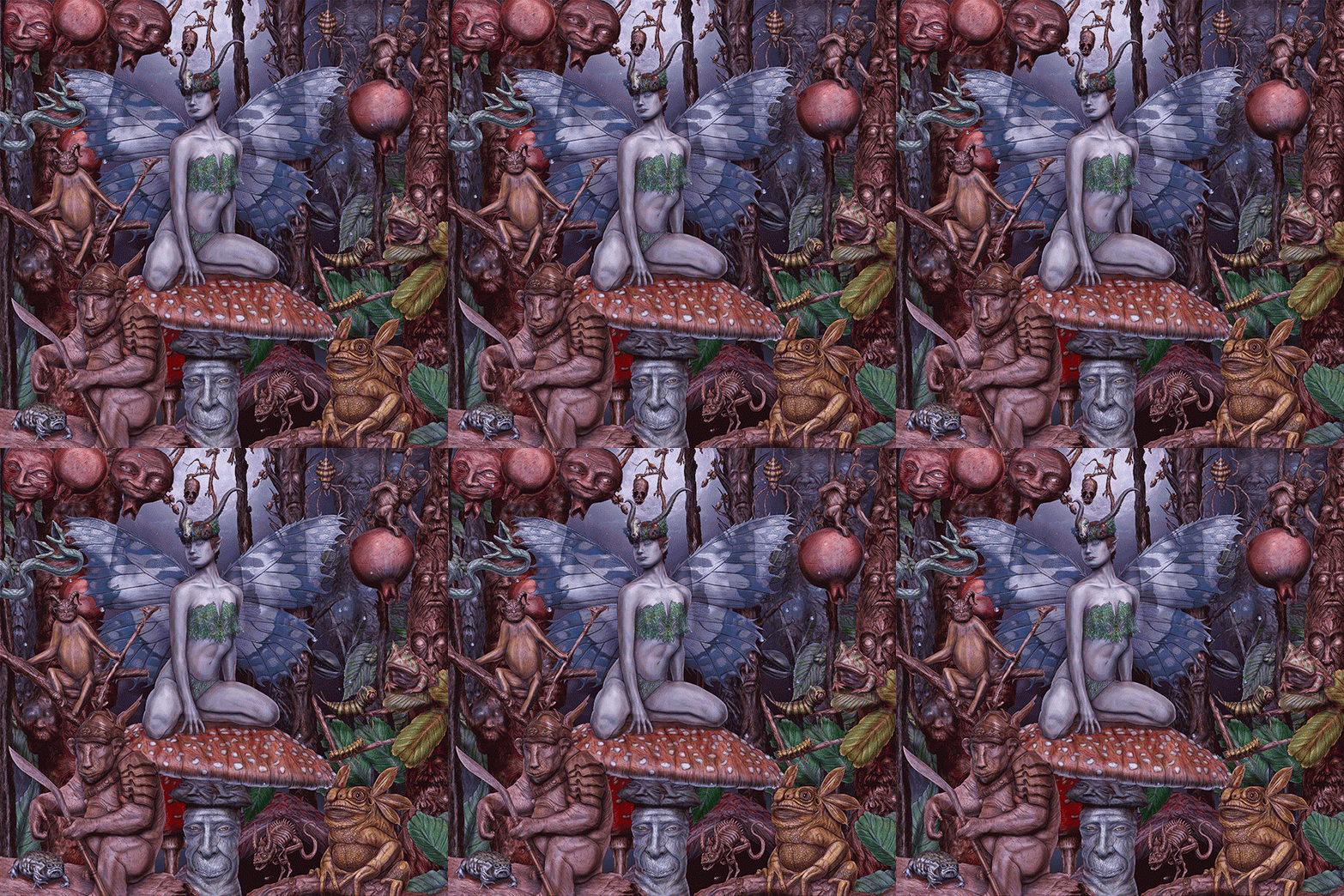
The Fascinating World of Lenticular Art and Printing
The world of visual art and design is constantly evolving, driven by technology, creativity, and a desire to create experiences that feel both innovative and timeless. One medium that has gained popularity for its ability to mesmerize and surprise viewers is Lenticular printing. Whether used in fine art, commercial design, or branding, lenticular visuals have a unique ability to bring depth, motion, and interactivity to otherwise static images. Unlike traditional prints, which remain fixed on a surface, lenticular designs invite the audience to engage by shifting perspectives, creating a sense of movement and 3D realism. This article explores the history, techniques, applications, and future of lenticular art, revealing why it has become such a powerful tool in the world of creative expression.
What is Lenticular Printing?
At its core, lenticular printing is a process that allows images to change, move, or appear three-dimensional depending on the angle from which they are viewed. This is achieved through the use of a lenticular lens, a clear plastic sheet made of ridges or lenses that refract light. The underlying artwork is carefully designed with interlaced images that align with the lens. When viewed from different angles, the lenses direct the viewer’s eyes to specific sections of the image, resulting in the illusion of motion, depth, or transformation.
The word lenticular comes from “lens,” as the technology is based on lens optics. While the concept may sound modern, its roots go back several decades. Early experiments with lenticular designs date as far back as the 1940s, when novelty postcards and promotional products used the technology to create playful animations. Over time, advances in printing, digital design, and lens manufacturing have transformed lenticular into a sophisticated medium used in art, advertising, packaging, and even fine gallery exhibitions.
The Artistic Power of Lenticular
What makes lenticular art so compelling is its ability to engage viewers on multiple levels. Traditional two-dimensional artwork can be breathtaking, but lenticular designs add an element of surprise and wonder. Imagine a portrait that smiles when you move slightly to the left, or a landscape that shifts from day to night as you tilt your perspective. This ability to combine multiple narratives within a single frame makes lenticular an art form of storytelling as much as design.
In fine art galleries, lenticular pieces challenge the way audiences interact with artwork. Instead of standing in one spot, viewers are encouraged to move, tilt, and explore. The artwork becomes dynamic rather than static, and this sense of interaction creates a deeper memory of the experience. Many contemporary artists have embraced lenticular techniques to push the boundaries of photography, abstract art, and even digital reinterpretations of classical works.
Commercial Applications of Lenticular
Outside of fine art, lenticular printing has found a strong presence in the commercial world. Brands seeking to stand out in competitive markets often turn to lenticular designs to catch consumer attention. For example, product packaging with lenticular effects can showcase multiple angles of a product, reveal hidden messages, or even animate a logo. Movie posters and album covers are popular spaces for lenticular creativity, often presenting motion sequences or 3D depth that reflect the energy of the content being promoted.
Advertising campaigns have also benefited from lenticular innovation. Billboards, magazine covers, and point-of-sale displays often use lenticular designs to grab attention in high-traffic environments. The ability to show two or more messages in the same space, depending on the viewer’s perspective, makes lenticular an efficient and powerful marketing tool.
The Technical Process Behind Lenticular
Creating a lenticular image is both an art and a science. The process begins with preparing multiple images these might be frames of an animation, different angles of a subject, or contrasting designs meant to create a flip effect. These images are interlaced into a single digital file, which aligns precisely with the lenticular lens structure. The lens sheet itself is carefully positioned over the print, and even a slight misalignment can disrupt the effect.
There are different types of lenticular effects commonly used. The “flip” effect switches between two images, often used in postcards or novelty cards. The “motion” effect simulates animation by cycling through multiple frames. The “zoom” effect enlarges or reduces an object depending on perspective. The most advanced technique is the 3D effect, which gives a sense of depth without the need for special glasses. Each of these requires precise alignment, attention to detail, and a clear vision of the intended result.
Why Lenticular Captures Attention
The rise of lenticular printing in both art and commerce can be attributed to its unique ability to stand out in a visually saturated world. Traditional prints and digital screens are everywhere, but lenticular offers something tangible, interactive, and unexpected. This surprise factor instantly draws attention. Human beings are naturally drawn to change and motion; lenticular designs harness this instinct, making people stop, observe, and engage.
For brands, this translates into stronger marketing impact. For artists, it means a deeper connection with audiences who are seeking experiences that go beyond passive observation. Lenticular’s mix of tactile presence and optical illusion makes it both memorable and intriguing.
The Future of Lenticular Innovation
As technology advances, so too does the potential for lenticular art and design. Higher resolution printing, improved lens materials, and digital integration are opening new doors. Artists are experimenting with hybrid designs that combine lenticular with holographic elements, projection mapping, or augmented reality. Imagine an art gallery where lenticular pieces interact with AR apps, allowing viewers to see hidden layers through their smartphones.
Sustainability is also becoming an important focus in the lenticular industry. Eco-friendly printing materials, recyclable lenses, and energy-efficient production processes are helping lenticular align with contemporary environmental values. As demand grows for innovative yet responsible design, lenticular is evolving to meet those expectations.
Conclusion: The Lasting Appeal of Lenticular
In a world where images are constantly competing for attention, lenticular printing offers a rare combination of novelty, beauty, and interactivity. From its humble beginnings in novelty postcards to its current role in fine art galleries and high-profile branding campaigns, lenticular has proven itself as a versatile and powerful medium. Its ability to create depth, motion, and transformation in a single frame captures the imagination like few other visual techniques can.
For artists, lenticular provides a tool to push creative boundaries. For brands, it delivers memorable and effective marketing. And for audiences, it offers a magical, interactive experience that lingers in the memory long after the initial viewing. The world of lenticular art is not just about optics and printing—it is about transforming the way we see and experience visual stories.