



Machine Learning – Complete Quick Guide 🤖
1️⃣ What is Machine Learning (ML)?
Machine Learning is a branch of AI where computers learn patterns from data and make predictions or decisions without being explicitly programmed.
2️⃣ Types of Machine Learning
TypeDescriptionExampleSupervised LearningLearns from labeled dataPredict house prices (Regression), Email spam detection (Classification)Unsupervised LearningFinds patterns in unlabeled dataCustomer segmentation (Clustering), Market basket analysisReinforcement LearningLearns by trial and error with rewardsSelf-driving cars, Game AI (Chess, Go)Semi-supervised LearningUses small labeled + large unlabeled dataFraud detection, Text classification
3️⃣ Common Algorithms
🔹 Supervised
- Regression – Linear Regression, Lasso, Ridge
- Classification – Logistic Regression, Decision Tree, Random Forest, SVM, KNN
🔹 Unsupervised
- Clustering – K-Means, Hierarchical, DBSCAN
- Dimensionality Reduction – PCA, t-SNE
🔹 Reinforcement Learning
- Q-Learning
- Deep Q-Networks (DQN)
4️⃣ Machine Learning Workflow
- Collect Data – CSV, databases, API
- Preprocess Data – Handle missing values, normalize/scale
- Split Data – Training / Testing (e.g., 80/20)
- Select Model – Based on problem type
- Train Model – Fit model to training data
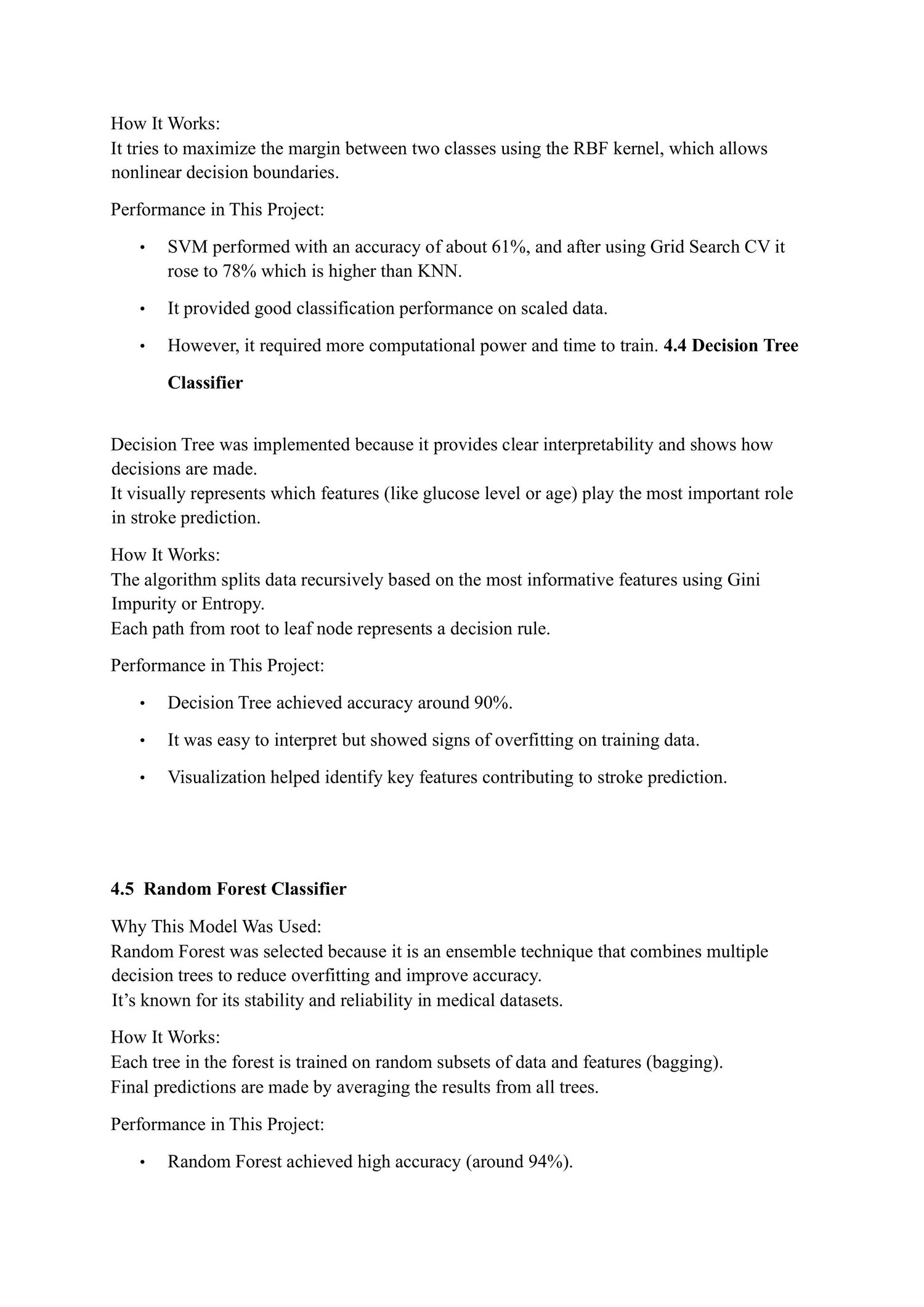
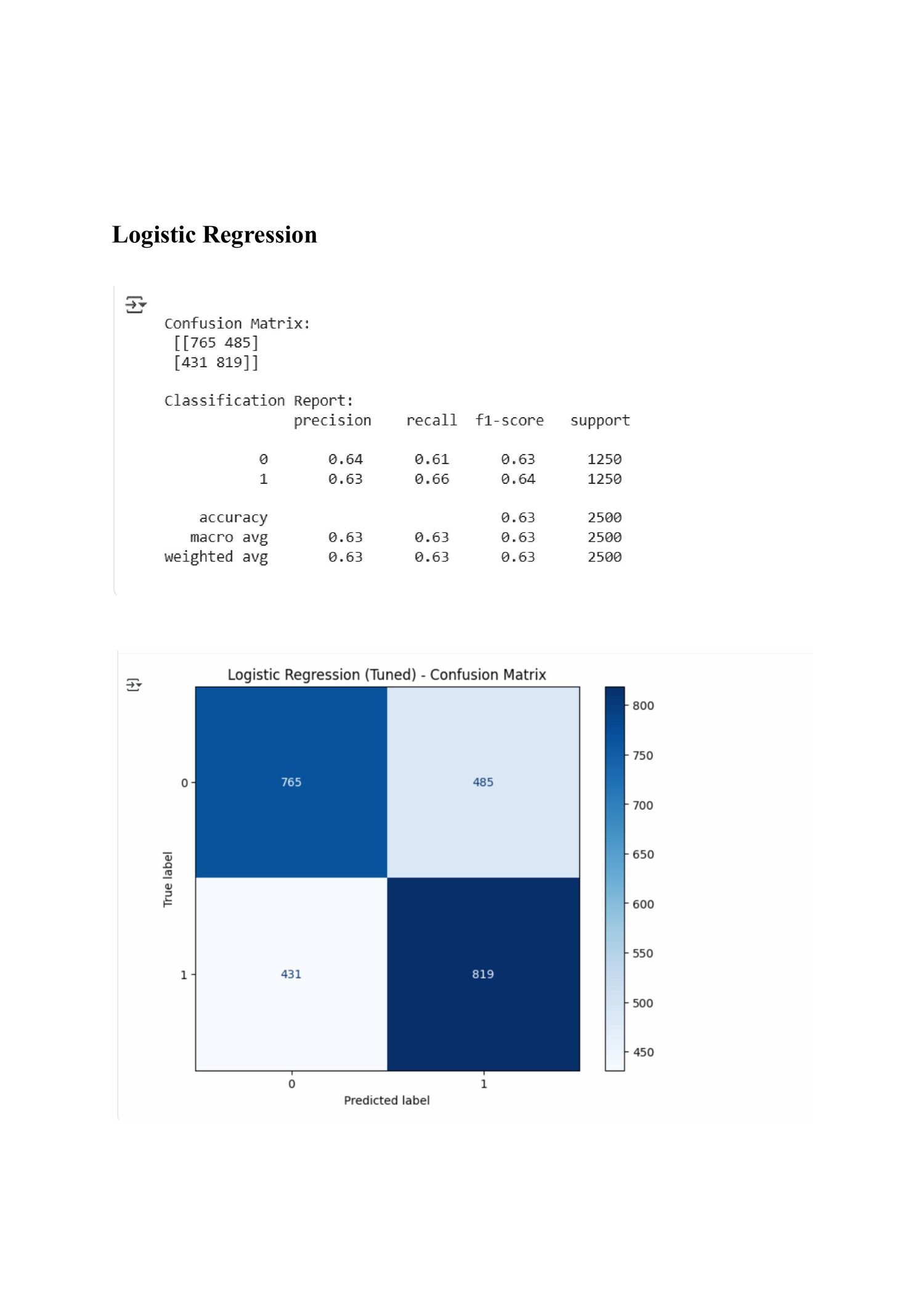
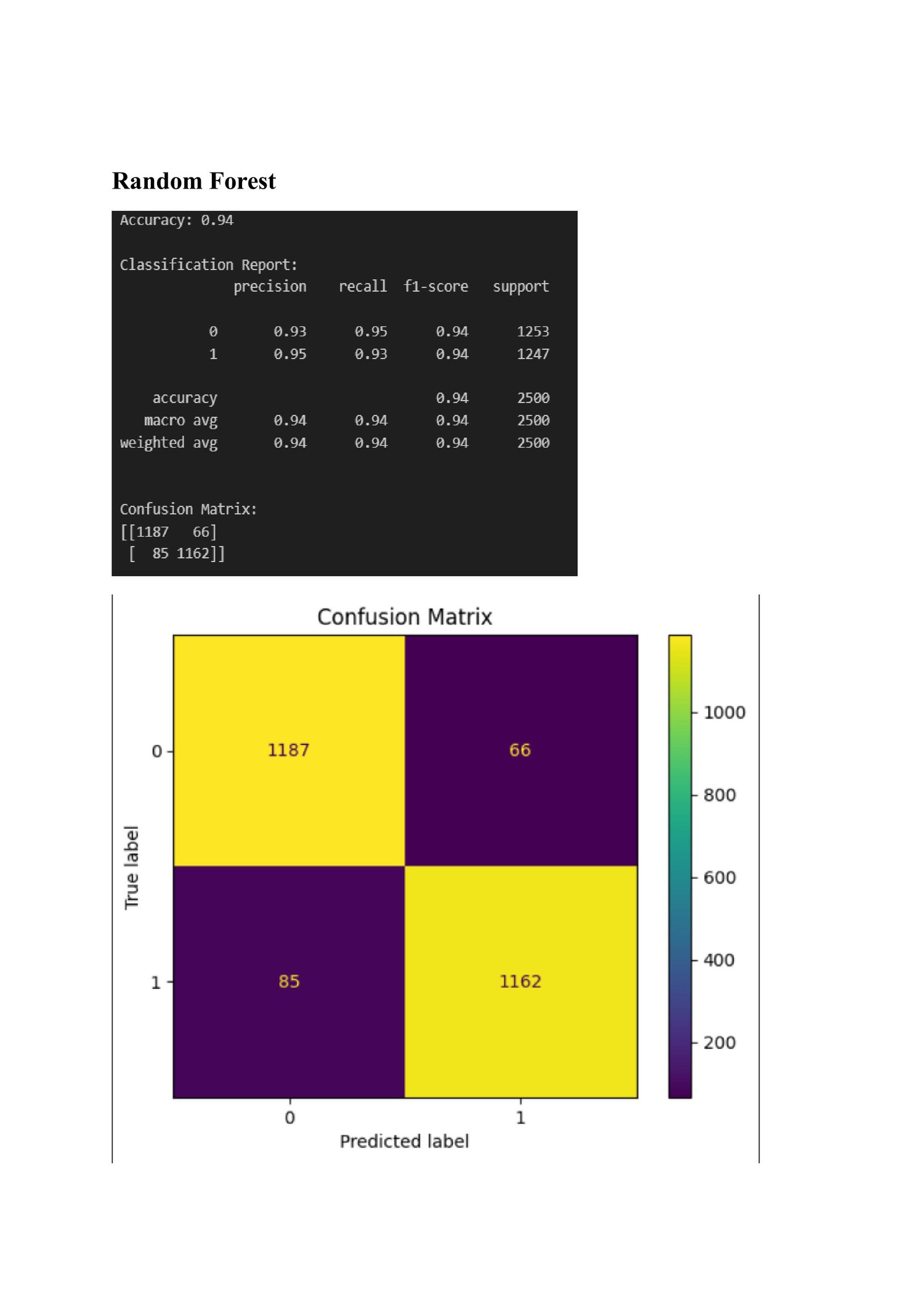
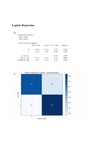
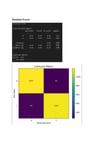
- Evaluate Model – Accuracy, Precision, Recall, F1-Score, RMSE
- Hyperparameter Tuning – GridSearchCV, RandomSearch
- Deploy & Monitor – Make predictions in real-world system
5️⃣ Python Libraries for ML
- Data Handling: pandas, numpy
- Visualization: matplotlib, seaborn
- Machine Learning: scikit-learn
- Deep Learning: tensorflow, keras, pytorch
- Stats & Math: scipy, statsmodels
6️⃣ Example: Linear Regression in Python
import pandas as pd
from sklearn.model_selection import train_test_split
from sklearn.linear_model import LinearRegression
from sklearn.metrics import mean_squared_error
# Load dataset
data = pd.read_csv('housing.csv')
X = data[['size', 'bedrooms']]
y = data['price']
# Split
X_train, X_test, y_train, y_test = train_test_split(X, y, test_size=0.2)
# Train model
model = LinearRegression()
model.fit(X_train, y_train)
# Predict
y_pred = model.predict(X_test)
# Evaluate
mse = mean_squared_error(y_test, y_pred)
print("MSE:", mse)
7️⃣ Model Evaluation Metrics
TaskMetricRegressionMSE, RMSE, R²ClassificationAccuracy, Precision, Recall, F1-Score, ROC-AUCClusteringSilhouette Score, Davies-Bouldin Index
8️⃣ Overfitting vs Underfitting
- Overfitting: Model performs well on training but poorly on test data.
- Underfitting: Model performs poorly on both training and test data.
Solution: Cross-validation, regularization, more data